Key Takeaways
- Atlanta heat wave conditions push the heat index past 100°F, so dehydration can set in fast
- Watch for dark urine, fatigue, and heavy sweating before heat exhaustion turns into heat stroke
- Electrolytes for dehydration, food, and hourly fluids rehydrate faster than water alone
- Mobile IV Medics offers same-day IV therapy for dehydration across Atlanta when drinking isn’t enough
Atlanta summer weather pushes the heat index past 100°F on the muggiest afternoons, and dehydration can set in long before you notice it happening. A short walk to the car or an hour of yard work is sometimes all it takes. By the time you actually feel thirsty, your body is already behind. That’s the trap.
Water alone doesn’t always keep up. Not during an Atlanta heat wave. Between the humidity, the pavement radiating heat back at you, and hours spent outside, your body can lose fluids faster than a few sips can replace them, especially if you were already a little dehydrated before you stepped outside. Recognizing the early signs and knowing how to rehydrate fast can be the difference between shaking off a rough afternoon and ending up in urgent care.
How Hot Does Atlanta’s Heat Wave Get?
Atlanta summer weather stretches from May through September, and daytime highs regularly climb into the 90s. So just how hot does it get in Atlanta on the worst days? Add in the region’s humidity, and the heat index, what the air actually feels like against your skin, often pushes past 100°F. NASA researchers have studied Atlanta as an urban heat island, where dense pavement and limited tree cover trap heat that would otherwise dissipate overnight. That combination means outdoor air stays warm long after sunset, underscoring the importance of water in your body. Relief rarely comes overnight. During peak summer months, the city typically opens cooling centers, hydration stations, and splash pads, so it’s worth knowing what’s available near you before the next stretch of high heat index days arrives.
What Are the Signs You’re Dehydrated?
Dehydration rarely announces itself clearly. It builds in stages, and each stage looks different enough that people often mistake one for the other until it gets serious.
Early Dehydration Shows Up Before You Feel Thirsty
The earliest dehydration symptoms are easy to miss because they don’t feel dramatic. Watch for:
- Dark yellow urine
- A lower urge to use the bathroom
- General fatigue
- Mild dizziness
These are the body’s first warnings that fluid levels are dropping. The tricky part is that thirst isn’t an early symptom. Feeling thirsty means you’re already dehydrated, since fluid levels typically start dropping well before your mouth feels dry. That’s why waiting for thirst as your cue to drink puts you a step behind, especially on a day when Atlanta’s heat and humidity are working against you.
Heat Exhaustion Adds Cramping, Nausea and Heavy Sweat
When dehydration goes untreated in the heat, it can progress into heat exhaustion. The symptoms are more physical and harder to ignore: heavy sweating, muscle cramps, nausea, headache, and a general weakness that makes even simple tasks feel exhausting. Confusion, dizziness, and a noticeable drop in how often you’re urinating are also warning signs that shouldn’t be brushed off. Left unchecked, heat exhaustion can turn dangerous quickly if someone keeps pushing through it instead of cooling down and rehydrating.
Heat Stroke Stops Sweating While Heat Exhaustion Does Not
Understanding heat exhaustion vs heat stroke comes down to a few specific differences worth memorizing. Heat stroke often brings confusion or delirium, hot and dry skin instead of heavy sweating, a racing heart, and a core body temperature at or above 104°F. That absence of sweating signals the body’s cooling system has shut down. Heat exhaustion usually improves with rest, fluids, and a cooler environment. Heat stroke does not work the same way. It’s a medical emergency, so calling 911 comes first if someone shows these signs, which is why heat stroke symptoms and prevention are worth knowing well before you need them.
| Condition | Sweating | Skin | Mental State | What To Do |
| Dehydration | Normal to heavy | Normal | Alert, mildly fatigued | Drink water or electrolytes now |
| Heat Exhaustion | Heavy | Cool, clammy | Weak, dizzy, irritable | Cool down and rehydrate |
| Heat Stroke | Stops sweating | Hot, dry | Confused or delirious | Call 911 immediately |
| Once sweating stops during heat stroke, the body loses its main cooling mechanism, and core temperature can climb toward 104°F or higher fast, risking organ damage. That’s why heat stroke is a 911 emergency, never a wait-and-see condition. |
How Do You Rehydrate Fast in the Heat?
Once you know you’re dehydrated, the goal shifts to getting fluids and electrolytes back into your system as efficiently as possible. Not every drink or method works at the same speed.
Electrolyte Drinks Outperform Plain Water Alone
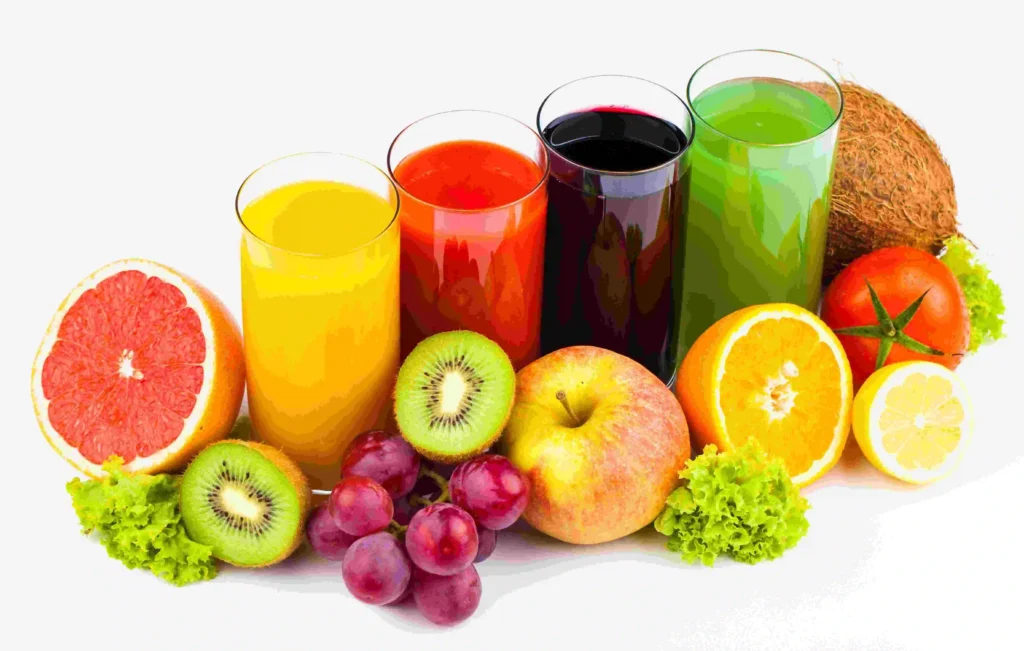
Plain water helps, but it doesn’t replace everything your body loses through sweat. When you’re weighing the best drinks for dehydration, electrolyte and sports drinks usually win because they restock the sodium and potassium that regulate fluid balance. Electrolytes for dehydration recovery matter almost as much as the fluid itself. A 2016 study even found that the body retains milk and orange juice longer than it retains water, since their nutrient content slows how quickly fluid passes through your system. Some foods for dehydration help too, especially:
- Watermelon: high water content, natural electrolytes
- Broth: sodium and fluid in one bowl
- Yogurt: potassium and sodium replenishment
Mixing a few of these, rather than relying on water alone, speeds up how quickly you start feeling normal again.
General Health Guidance Points to Hourly Fluid Targets
There’s a rough formula worth knowing if you’re spending real time outdoors in Atlanta’s heat. General hydration guidance suggests drinking about half your body weight in ounces of water on a typical day, then adding another 24–32 ounces for every hour spent outside in high heat. Someone doing yard work or exercising outdoors needs more than someone running a quick errand, and body size factors in as well. These numbers aren’t exact for everyone, but they beat vaguely “drinking more water,” which is easy to underdo without realizing it.
| A fluid loss of just 2% of body weight is enough to impair concentration and performance, often before thirst appears. For a 150 lb adult, that’s about 3 lbs, a loss that can happen within an hour of hard outdoor work in Atlanta’s humidity. |
Heat Exhaustion Treatment Starts With Cooling and Fluids
Once you notice how heat exhaustion affects your body, the first move is getting out of the heat, not pushing through it.
- Move to shade or air conditioning right away.
- Loosen or remove excess clothing.
- Sip water or an electrolyte drink.
- Apply cool, damp cloths to the neck and wrists.
Most people start feeling better within 30 minutes of this combination. If symptoms don’t improve in that window, or if they shift toward confusion, hot dry skin, or a stopped sweat response, treat it as a heat stroke emergency instead of continuing at-home care.
How Can You Prevent Heat Exhaustion Outdoors?
Prevention comes down to timing and preparation more than anything else:
- Follow healthy hydration and daily water intake guidance and drink fluids the day before a long day outside, not just during it, so your body isn’t playing catch-up by mid-afternoon.
- Schedule outdoor work or workouts for early morning or evening hours to avoid the worst of the midday heat index.
- Wear light, breathable clothing and take regular shade breaks.
- Check in on older adults, young children, and anyone without reliable air conditioning, since they face higher risk during Atlanta’s hottest stretches.
When Should You Consider IV Hydration Therapy?
Sometimes food and drink aren’t enough to catch up fast, especially once symptoms have already set in. Our IV hydration treatment options deliver fluids and electrolytes directly into the bloodstream, so your body absorbs almost all of it instead of losing some to digestion. That speed is part of why searches for dehydration IV near me and IV therapy Atlanta tend to climb every summer as temperatures rise. Mobile IV Medics sends a registered nurse directly to you anywhere in the Atlanta area, offering same-day IV therapy for dehydration without requiring a drive to a clinic while you’re already feeling unwell.
Conclusion
Atlanta’s summer heat isn’t going anywhere, and dehydration can sneak up faster than most people expect. Learning to recognize the early symptoms, knowing how to rehydrate fast, and building simple prevention habits into your routine covers most hot-weather days. For the days when your body needs more than water and food can offer, Mobile IV Medics is available for same-day mobile IV hydration therapy throughout Atlanta, bringing the treatment to your door instead of the other way around, so it’s worth knowing how IV hydration works and lasts beforehand.