Florida draws more than 700 new residents every day. Most come for the sunshine, the coastline, and the promise of an outdoor life. The living in Florida pros and cons conversation, however, rarely covers what the environment actually does to the body once the honeymoon phase wears off.
Key Takeaways
- Year-round pollen, indoor mold, and mosquito-borne diseases make Florida’s air a constant health consideration.
- Florida’s heat and humidity drive fluid loss faster than most residents realize – chronic dehydration is common even among active people.
- Coastal waters carry real risks, from Vibrio bacteria to airborne red tide toxins that affect health on land.
Relocation content covers cost of living, traffic, and hurricane season, but almost never the health picture that builds quietly over months and years of exposure to Florida’s climate, water, and culture. Understanding the real pros and cons of living in Florida starts with knowing what the Sunshine State keeps hidden.
Why Florida Feels Like the Healthiest Move You’ll Ever Make?
Florida consistently ranks among the most popular relocation destinations in the country, and the appeal makes sense. More than 237 sunny days per year, easy beach access, a year-round outdoor lifestyle, and no state income tax make a case that is hard to argue against. There is also a real health upside early on: more vitamin D, more movement, more time near water, and less seasonal depression than colder climates bring.
For most newcomers, life in Florida feels like an upgrade at first. The problems are not immediately visible because they build gradually. The heat that feels energizing in November becomes a physical stressor by July. The beach that looked like a wellness destination carries environmental risks that most residents never think to check. The social lifestyle that feels active and fun quietly shapes habits that chip away at long-term health. What follows is the information gap between what relocation content tells you and what your body will eventually communicate on its own.
How Does Florida’s Climate Affect Your Body?
Florida’s warmth is real, but it comes with a physiological cost that builds in the background. The same climate that makes outdoor living possible most of the year also places a steady physical load on the body, one that most residents never connect back to where they live.
Heat In Florida Puts Constant Stress On Your Body
Florida’s humidity is not just a comfort issue – it is a medical one. Because the air is already saturated with moisture, sweat evaporates poorly from the skin. This shuts down the body’s primary cooling mechanism and forces the heart and circulatory system to work harder to regulate core temperature. The risk of heat exhaustion and heatstroke rises sharply during outdoor activity, especially at temperatures above 91°F, which are routine for months at a time.
Heat-related illness is not a tourist problem. Florida emergency departments treat it year-round. More relevant for most residents is the chronic, lower-grade version: repeated heat exposure without adequate recovery. Over time, this contributes to persistent fatigue, reduced exercise tolerance, and elevated cortisol — none of which announce themselves dramatically. They simply become how you feel day to day.
UV exposure compounds the issue considerably. Florida’s position near the equator means stronger ultraviolet radiation across more months of the year. Eye damage from unprotected sun exposure is cumulative, and ophthalmologists in high-UV environments consistently see earlier onset of cataracts and macular changes in patients who spend significant time outdoors. Skin aging in Florida often appears a decade earlier than in northern states, and skin cancer rates here exceed the national average.
Dehydration in Humidity Is Harder to Detect and Easier to Underestimate
One of the more counterintuitive bad things about living in Florida is how easy it is to become dehydrated while surrounded by water. High humidity slows sweat evaporation, which means the body’s thirst signal consistently lags behind actual fluid loss. People step inside, feel the air conditioning, and assume they have recovered without replacing what they lost.
The result is chronic mild dehydration: a persistent deficit that affects mental clarity, energy, joint comfort, and kidney function. Common symptoms like headaches, dizziness, fatigue, and muscle cramps are easy to blame on other causes. More serious consequences, including kidney stones, which form when urine becomes concentrated with minerals — are disproportionately common in hot, humid climates. Florida residents who golf, play beach sports, or spend long hours on the water often underestimate their fluid and electrolyte needs by a wide margin.
| CDC research shows only about 10% of U.S. adults drink the recommended daily amount of water. In a hot, humid climate where sweat loss is continuous and the thirst signal is suppressed, the gap between actual intake and real fluid need is wider in Florida than almost anywhere else in the country. |
Warm Florida Water Can Carry Dangerous Bacteria
Vibrio vulnificus — sometimes called flesh-eating bacteria in news headlines — thrives in warm Gulf and Atlantic waters. CDC data shows Florida accounts for the large majority of Vibrio cases reported in the United States each year. Infection can happen through swimming with open cuts or wounds, but also through eating raw or undercooked shellfish from affected waters. In people with liver disease, diabetes, or a weakened immune system, Vibrio infections can escalate to life-threatening severity within hours.
The Florida Department of Health publishes water quality advisories and beach closure notices when bacterial levels are elevated — most often after heavy rainfall and storm runoff flush contaminants into coastal water. Most residents never check these advisories before getting in. Checking takes under a minute and carries real protective value, especially following a significant rain event.
Red Tide And Algae Can Irritate Your Lungs
Among the less-discussed disadvantages of living in Florida near the coast is what happens above the waterline during harmful algal bloom events. Florida’s Gulf Coast experiences recurring red tide events driven by the organism Karenia brevis, which releases toxins into both the water and the air. These airborne toxins drift inland from the shoreline, meaning people on or near affected beaches can experience respiratory symptoms without ever getting wet.
For healthy adults, symptoms like coughing, wheezing, and throat irritation typically clear once they leave the area. For people with asthma, COPD, or other chronic respiratory conditions, a red tide event can trigger serious flare-ups that require medical attention. Blooms can persist for weeks, recur seasonally, and affect the same stretches of coastline repeatedly. Long-term coastal residents often normalize these symptoms — attributing them to allergies or a passing cold without ever connecting them to water quality. Mote Marine Laboratory publishes daily red tide forecasts for Florida coastal areas, a free resource that takes seconds to check before a beach day.
Florida’s Climate Keeps Allergies Going Most Of The Year
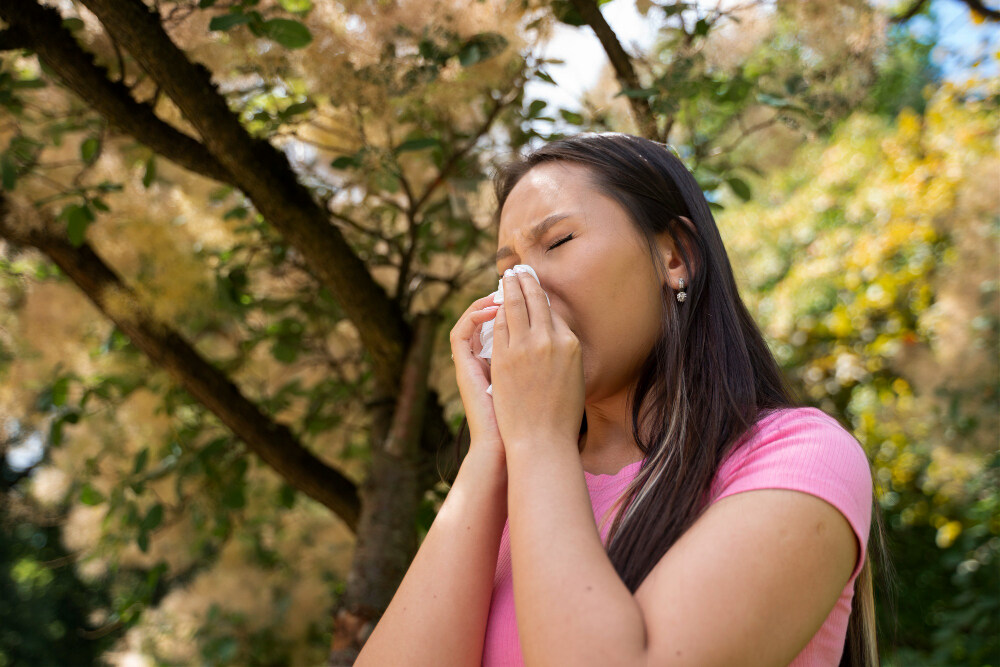
Most of the continental United States gets at least a partial allergy break in winter. Florida does not. The state’s subtropical climate supports overlapping pollen cycles from trees, grasses, and weeds that run nearly year-round. Instead of following in sequence — tree season, then grass season, then weed season — these cycles stack on top of each other, creating extended high-pollen windows that affect both established allergy sufferers and people with no prior history of seasonal symptoms.
High humidity adds a second layer. It independently triggers nasal congestion, sneezing, and eye irritation in people with no identified allergies. Florida cities consistently appear near the top of national rankings for the most challenging allergy and asthma environments. Many residents who arrive symptom-free develop persistent upper respiratory symptoms within their first year and in some cases, Florida’s sustained pollen exposure sensitizes people who had never had allergies before.
Humid Homes In Florida Make Mold A Real Problem
Indoor humidity in coastal Florida frequently exceeds 60% — the threshold at which mold colonies begin to establish and grow. Walls, ceilings, flooring, and HVAC systems are all common sites. Mold exposure is directly linked to:
- Chronic sinus infections and persistent coughing
- Asthma flare-ups and worsening respiratory symptoms
- Fatigue, brain fog, and frequent infections that are hard to trace back to a cause
- In prolonged exposure cases, neurological and systemic symptoms from mycotoxins — toxic compounds some mold species produce
The problem is compounded by how invisible mold often is. It grows behind drywall and under flooring for months before any visible sign appears. Florida remediation is also significantly more expensive than in drier climates, because mold reestablishes quickly if the moisture source is not fully resolved. Keeping indoor humidity below 55% with a dehumidifier, changing HVAC filters every 60–90 days, and inspecting wet areas after any water intrusion are the most effective frontline defenses.
Mosquito populations add a further layer of risk. Florida’s warm, humid conditions support species capable of transmitting West Nile virus and dengue fever — both present in the state and increasing in reported frequency. Locally acquired malaria cases have also been documented in Florida in recent years, a development that underscores how seriously the state’s vector-borne disease environment deserves to be taken.
| Influenza circulates in Florida year-round, unlike most northern states where it peaks and retreats in winter. In 2019 alone, Florida recorded more than 2,700 flu and pneumonia-related deaths. Year-round warmth removes the seasonal cue most people use to stay vigilant — it does not remove the risk. |
How Does The Florida Lifestyle Change Your Habits?
What is it like to live in Florida day to day? Beyond the environmental risks, the culture and daily rhythms that define the lifestyle quietly shape behavior in ways that amplify every physical stressor above.
The midday heat paradox is one of the most underappreciated dynamics. Outdoor living is a major reason people move to Florida, but peak UV hours — roughly 10am to 4pm — make sustained outdoor activity genuinely risky for most of the year. Many residents unconsciously compress their active time into early mornings or evenings and spend the hottest hours sedentary indoors. The identity of being an “outdoor person” persists long after the actual behavior has changed.
Florida’s beach and marina culture also normalizes alcohol consumption in ways that accumulate over time. Coastal bars, waterfront festivals, nightlife, and post-activity social rituals built around drinking are deeply embedded in the state’s social fabric. Mobile IV services across Florida explicitly market hangover and post-nightlife recovery, which reflects how common alcohol-driven dehydration and fatigue are among year-round residents — not just visitors passing through.
Coastal food environments in high-tourism areas skew toward fried, salty, processed options — not the Mediterranean-adjacent diet many people associate with waterfront living. Sleep disruption from heat, aging air conditioning systems, and late-night schedules layer on a chronic sleep deficit that quietly reduces immune function and raises cortisol. The net result: many Florida residents maintain the identity of a healthy, active lifestyle while their actual health metrics trend in the wrong direction.
What Can You Do To Stay Healthy In Florida?
The real cons of living in Florida are not reasons to leave — they are reasons to adapt. The residents who fare best are those who build habits specific to what Florida’s environment actually demands, rather than relying on the routines that worked somewhere else.
Small Daily Choices Help Lower Florida Health Risks
Heat and hydration are inseparable in Florida. After any significant time outdoors, the body needs electrolyte replacement — not just water — because sweat depletes sodium, potassium, and magnesium alongside fluid. A few practical adjustments make a measurable difference:
- Schedule outdoor activity before 9am or after 5pm to avoid peak UV and heat
- Replace electrolytes — not just fluids — after sweating in Florida’s heat
- Wear SPF 30 or higher daily, not only on beach days
- Use UV-blocking sunglasses with full orbital coverage year-round
- Book an annual dermatology screening, ideally within the first year of residency
- Keep indoor humidity below 55% with a dehumidifier during humid months
- Change HVAC filters every 60–90 days rather than annually
- Inspect bathrooms, kitchens, and any water-exposed areas for mold regularly
Water safety requires only information access. Florida’s beach water quality monitoring tools and Mote Marine Laboratory’s daily red tide forecasts are free, take seconds to check, and meaningfully reduce exposure to the coastal risks described earlier.
Mobile IV Therapy Can Help
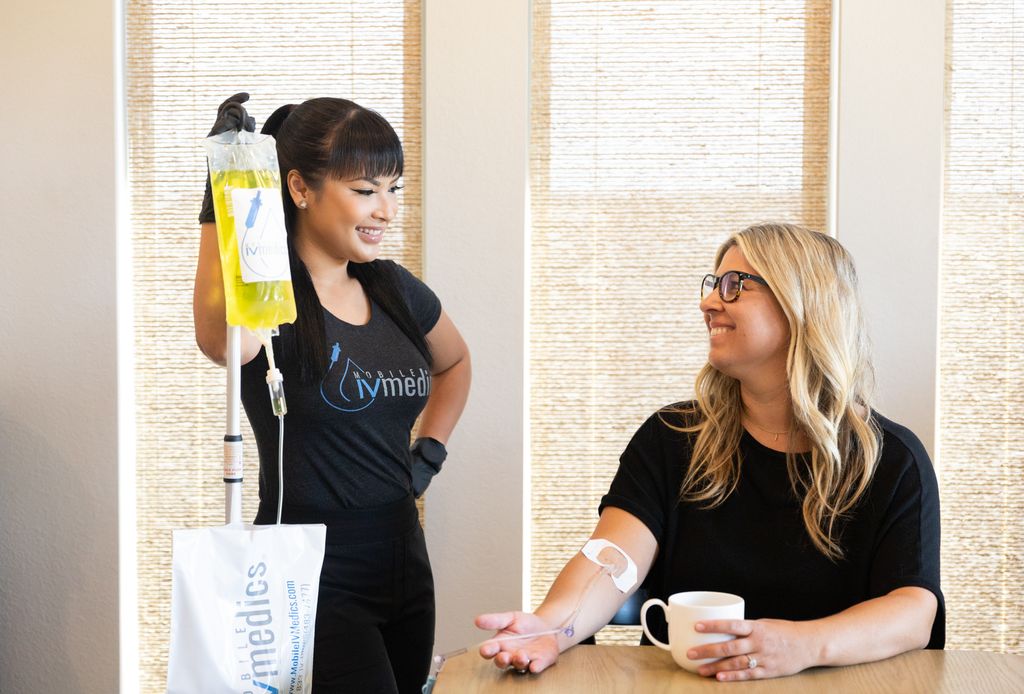
When heat exposure, outdoor activity, or alcohol have depleted fluids and electrolytes faster than oral intake can recover them, mobile IV therapy fills that gap directly. IV hydration bypasses the digestive system and restores fluids, electrolytes, and nutrients at the cellular level — faster than drinking water alone can achieve after significant depletion.
Mobile IV Medics serves Florida residents across West Palm Beach, Fort Myers, and Jacksonville — delivering hydration therapy, vitamin infusions, and recovery support directly to homes, hotels, and workplaces without a clinic visit in peak heat. IV formulas can be customized with Vitamin C, B vitamins, and other nutrients to support energy, immune function, and skin repair — a practical fit given the UV and heat load Florida places on the body year-round.
The people who benefit most are not those in crisis. They are the same residents who already invest in SPF routines and air quality monitors — people who take their environment seriously and build a wellness strategy around it rather than against it. For first-time users, knowing what to look for in a qualified mobile IV provider is the difference between a safe, effective experience and a regrettable one.”
So Is The Florida Beach Lifestyle Worth It?
For most people, yes — but with eyes open. The honest answer is that it depends entirely on what you know going in and how deliberately you build life around what the climate actually requires.
The risks covered here — heat stress, chronic dehydration, coastal water hazards, year-round allergens, indoor mold, and behavioral drift — are not reasons not to live in Florida. They are the information gap between what most relocation content tells you and what the environment will eventually communicate on its own. People who arrive with realistic expectations and environment-specific habits tend to do well. People who assume the lifestyle delivers health automatically tend to discover its downsides gradually, without context for what is causing them.
The path forward is the same whether you are weighing a move or already living with symptoms you have not been able to explain: treat the Florida environment as something to actively manage. The benefits of staying hydrated in this climate are significant, and so are the consequences of falling short. The right daily habits — and the right recovery tools when heat, dehydration, or fatigue get ahead of you — are what make long-term health in Florida not just possible, but sustainable.