Key Takeaways
- The dehydration vs overhydration mix-up starts with nearly identical fatigue, headache, and brain fog
- Urine color is the quickest way to tell them apart
- Overhydration is rare, but large volumes in a short window can turn serious fast
- Illness can trigger both at once through electrolyte loss, which water alone won’t fix
Someone gets a pounding headache from what they assume is dehydration, drinks a glass of water, and 20 minutes later feels worse instead of better. That mismatch is the dehydration vs overhydration confusion in miniature. Both conditions can trigger nearly identical warning signs before anything else sets them apart.
The confusion trips up more people than you’d expect, mostly because both extremes throw off the same sodium and fluid balance in the body. Fatigue, headache, and a foggy head are dehydration and overhydration symptoms that overlap almost completely early on. Knowing the difference matters, since the fix for one direction tends to make the other worse.
Why Do Dehydration and Overhydration Feel So Similar?
Both conditions disrupt the same underlying system: the balance of water and sodium that keeps cells functioning normally. When that balance tips too far in either direction, cells either shrink from fluid loss or swell from fluid excess, and the brain reads both changes as trouble. That’s why a headache, some fatigue, and a bit of mental fog show up on both sides of the scale. The real dehydration vs overhydration difference isn’t in how the symptoms feel this early. It comes down to what triggered them, from hidden causes of dehydration to a rapid fluid overcorrection, and how fast they built up.
What Are the Real Signs of Dehydration?
Most people wait for thirst to tell them something is wrong. By the time that kicks in, the body has usually been running low for a while already.
Fatigue and Brain Fog Often Get Blamed on Stress
A fluid loss of just 1–2% is enough to measurably slow reaction time, working memory, and sustained attention. Women tend to report stronger effects at the same fluid loss level, including more confusion and lower overall energy compared to men. The classic afternoon slump, the one coffee never quite fixes, is one of the dehydration symptoms most people miss, written off as burnout instead.
| The brain is about 75% water by composition. Losing just 1–2% of total body water is enough to trigger measurable declines in attention and reaction time, often before thirst itself kicks in. |
Urine Color Reveals Dehydration Before Thirst Does
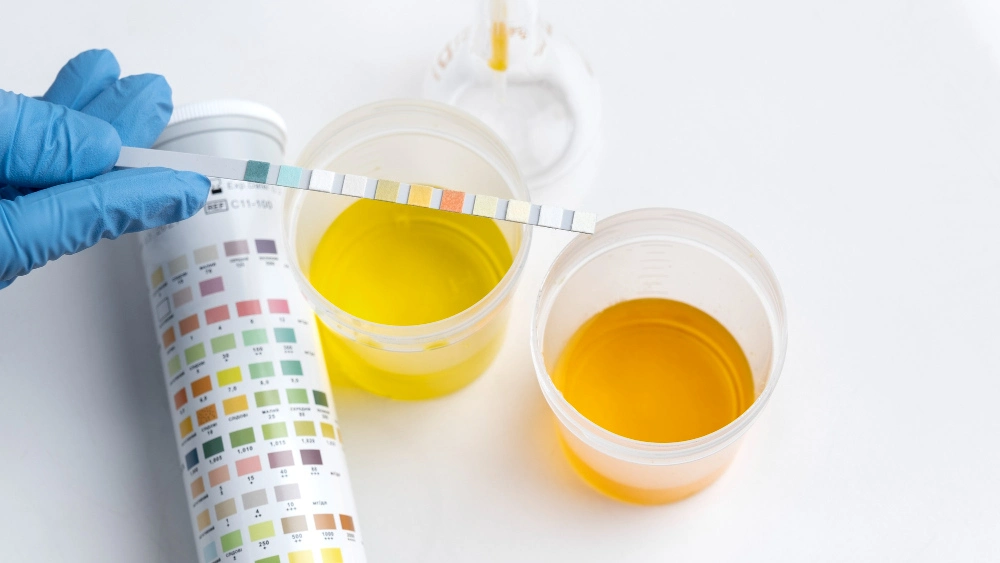
Urine color tracks dehydration in stages:
- Pale, straw-colored: the target
- Medium yellow: an early cue to drink more
- Dark amber: a real fluid deficit that has been building for a while
- Very dark brown or cola-colored: a red flag that needs prompt medical attention
A well-hydrated adult typically urinates 4–6 times during waking hours, so going a full workday without a bathroom trip is worth paying attention to.
Thirst Signals Dehydration Only After Fluid Loss Begins
Thirst usually shows up once the body has already lost 1–2% of its water, and clinically significant dehydration doesn’t set in until somewhere around 8%. Older adults have it worse, since the thirst reflex naturally dulls with age, which means someone can be meaningfully dehydrated with no urge to drink at all. A quick skin check helps in the meantime. Pinch the back of the hand, release it, and watch how fast it springs back, though this test gets less reliable past age 60.
Confusion and No Urine Output Mean Emergency Care Now
These signs are past the point of home management and call for immediate medical attention:
- No urine output for several hours
- A racing heartbeat
- Severe dizziness
- Cold and clammy skin
Sudden confusion in someone who was fine hours earlier deserves urgent attention, especially since thirst itself can fade in severe cases as blood pressure drops. When that happens, confusion becomes the clearest signal left that something is seriously wrong.
What Are the Real Signs of Overhydration?
Overhydration does not get nearly the same attention as dehydration, mostly because it is rarer. The warning signs are just as specific once you know what to look for.
Kidneys Can Only Process About One Liter Hourly
The kidneys have a practical ceiling on how much fluid they can clear, about 1 liter per hour under normal conditions. That is part of the answer to how much water is too much in a short window: symptoms of water intoxication can start after about 3–4 liters go down in just 1–2 hours. Confirmed deaths from overhydration are rare, with only 14 documented cases, and the ones on record have clustered almost entirely among athletes pushing fluid intake during endurance events, not everyday drinkers.
Clear Urine Signals You Have Overshot Hydration
Clear urine and overhydration go together more often than people realize. Urine that stays completely colorless, rather than pale yellow, is one of the more overlooked overhydration symptoms, since it means the kidneys are producing more dilute fluid than the body actually needs. A B-vitamin supplement can also turn urine bright yellow for reasons that have nothing to do with fluid balance, one of several common dehydration myths that still catch people off guard. The target color is pale straw, all day, not clear.
Water Intoxication Starts With Nausea and Confusion
Early water intoxication symptoms can include:
- Nausea and vomiting
- A throbbing headache
- Mental fog that can be mistaken for simple tiredness
- Swelling or a color change in the hands, feet, or lips as cells absorb excess fluid
- Muscle weakness or unusual cramping
These often surface together, well before anyone connects the dots back to how much they have been drinking.

Severe Hyponatremia Can Trigger Seizures Within Hours
Blood sodium below 135 mEq/L defines hyponatremia, and symptoms tend to escalate as that number keeps dropping. In severe cases, the progression can reach seizures and coma, usually tied to a large volume of fluid going down quickly rather than steady daily intake. Endurance athletes and people with kidney, heart, or adrenal conditions carry the highest risk, since their bodies are already working harder to keep sodium in balance.
How Can You Tell Which One You Have?
Figuring out how to tell if you are dehydrated or overhydrated usually comes down to two quick checks: urine color and how symptoms respond to a small amount of water. Pale yellow urine means things are fine either way.
| Sign | Dehydration | Overhydration |
| Urine color | Dark amber | Stays clear |
| Water test response | Headache or fog eases within 20–30 minutes | No change, or symptoms worsen |
| Onset | Builds over hours or a full day | Follows a short, high-volume burst |
If the color suggests dehydration, drinking about 2 cups of water and watching what happens next is the clearest confirmation available. If nothing changes, or symptoms get worse, that is a signal to stop and reassess rather than keep drinking on assumption. When illness is behind the fluid loss, whether that is a stomach bug, heavy sweating, or a long shift without a proper break, Mobile IV Medics can deliver IV hydration with electrolytes directly, faster than trying to catch up with water alone. That option applies to the dehydration side of the equation specifically. If overhydration looks more likely, the right move is to stop drinking and let the kidneys catch up, not add more fluid.
Can You Be Dehydrated and Overhydrated at the Same Time?
It sounds contradictory, but illness can create exactly this mix. Vomiting or diarrhea can pull out both fluid and sodium at once, leaving someone with electrolyte imbalance symptoms like cramping and weakness even though total body water looks roughly normal. Certain medical conditions that cause dehydration, including kidney disease, heart failure, and disorders that affect antidiuretic hormone, disrupt sodium regulation independent of how much someone drinks. In these cases, how to rehydrate fast usually comes down to replacing electrolytes specifically, or getting a medical evaluation, rather than defaulting to more water or less.
| Syndrome of inappropriate antidiuretic hormone (SIADH) causes the kidneys to hold onto water even without excess drinking, which is one reason sodium levels can drop independent of how much fluid someone actually takes in. |
Conclusion
The fastest way through the dehydration vs overhydration question is the same 2 checks every time. Look at urine color, then pay attention to how symptoms respond to a small amount of water. Most people fall clearly on one side once they run through it. If symptoms do not improve, or something feels more serious than a routine fluid imbalance, that is the point to get checked rather than guess.