

Content
Key Takeaways
- Florida’s flu window runs from about October through May, and the curve stays flatter and longer than the national average instead of spiking once and fading.
- California usually climbs in late December and peaks in February, and the 2025–26 season delivered a second, higher February peak after cases had already dipped in January.
- Southern California can peak weeks or even months ahead of Northern California, so a statewide headline saying the worst has passed may not describe your county at all.
- Timing your flu shot to your own state’s curve matters more than following national guidance, since a shot takes about 2 weeks to build protection.
Hook
Most people picture cold and flu season as a tidy December-to-February block. Live in Florida or California, and that picture is wrong in two different directions, which changes when you should act.
Introduction
National flu guidance is written for an average state, and no such state exists. Mobile IV Medics serves households across both Florida and California, and the two cold and flu season curves barely resemble each other. Knowing which one you live in changes when you vaccinate and how long you stay watchful.
When Is Cold and Flu Season Nationally?
Flu activity nationally runs from about early October through May, with the heaviest weeks usually landing between December and February. That window is the yardstick every state comparison gets measured against, and it is an average of 50 very different curves.
The 2025–26 season shows the scale involved. By week 11, ending March 21, 2026, the season had produced at least 29 million illnesses, 360,000 hospitalizations, and 23,000 deaths nationally, with in-season severity rated moderate across all ages. Influenza A(H3N2) dominated. Of the H3N2 viruses genetically characterized that season, 92.7% belonged to a group called subclade K.
Useful numbers. They tell a reader in Tampa or San Diego almost nothing about their own household.
Climate and Behavior Drive Regional Flu Timing
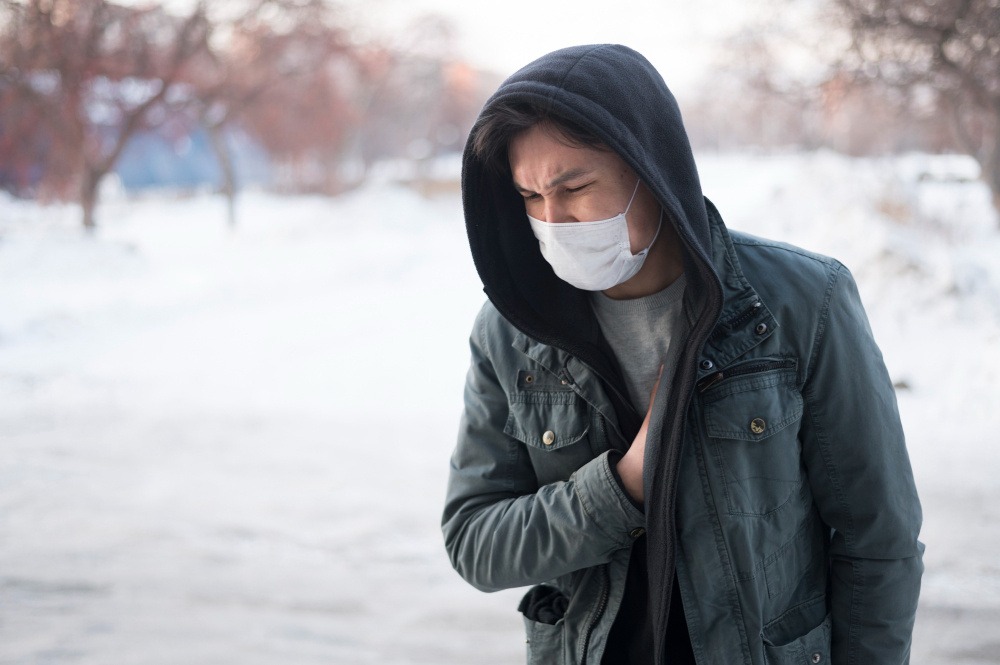
Absolute humidity turns out to be the strongest environmental predictor of flu seasonality in the continental United States, stronger than relative humidity, temperature, or daylight. When the air holds very little moisture, transmission climbs. Where humidity stays high year-round, the curve flattens instead of spiking.
Florida and Hawaii carry the smallest gap between in-season and summer-baseline flu activity anywhere in the lower 48. That is the subtropical signature showing up in the surveillance data.
Climate is only half of it. School calendars, holiday travel, and indoor crowding all shift local transmission, and in Florida that includes winter tourism and seasonal residents arriving right as the curve starts climbing. California adds a variable almost nobody else deals with, since a long wildfire smoke window overlaps respiratory illness season and makes it harder for people to tell what they’re reacting to.
How Do Florida and California Flu Seasons Differ?
The two states sit at opposite ends of the US seasonality spectrum, and the practical difference is not severity. It is shape, length, and how reliably the curve behaves the same way twice.
| Attribute | Florida | California |
| Curve shape | Flat and sustained | Sharp climb, sometimes 2 peaks |
| Activity starts climbing | About October | Late December–early January |
| Typical peak | Late January in recent years | Most often February |
| Season end | Rarely before April | Rarely before April |
Florida’s Season Starts Early and Runs Long
When is flu season in Florida? The working answer most clinicians give is October through May, a wider window than the one northern states live with. Timing, severity, and duration all vary from year to year, and no season can be forecast in advance.
The curve is flatter, not shorter. Fewer dramatic single-week spikes, more sustained low-to-moderate activity stretched across a longer run. That shape is what catches people out. A quiet week in Florida doesn’t mean the season has ended, and plenty of households stop paying attention in February while activity is still running.
Tourism and seasonal residents keep adding new transmission chains through the winter rather than funneling everything into one holiday wave. Peak flu season in Florida has landed in late January in recent years, though the peak week moves.
California’s Curve Peaks Later and Sometimes Twice
Flu season in California runs on a different rhythm, and the 2025–26 season is the clearest illustration of why that matters. Cases rose slowly through November, accelerated sharply in mid-December, peaked in early January, then dipped enough that officials hoped the season might end early. Cases climbed again to a higher peak in February as influenza B circulation picked up. More than 154,000 laboratory-confirmed cases had been reported statewide by early February 2026, with every county reporting high or very high activity.
That second wave carries its own risk. Influenza B works differently from the A strains, and a person can catch it more than once in a season. The January dip was not an all-clear.
Southern California Peaks Weeks Before the North
California is large enough that the statewide number is itself an average. Peak weeks inside a single season have landed months apart. In 2018–19, Lower Southern California peaked in mid-December while Northern California didn’t peak until late March.
| That 2018–19 gap runs about 14 weeks from the Lower Southern peak to the Northern one. The spread inside California is wider than the spread between many pairs of states, which is why a statewide average describes almost no Californian accurately. |
Flu in Southern California can therefore lead the statewide figure by several weeks. For households in San Diego, Orange County, or the Inland Empire, that means local exposure risk often climbs before any statewide alert does.
The Bay Area and Sacramento face the opposite problem. Headlines announcing the peak has passed may land while local risk is still rising, which is why a Los Angeles household and a San Jose household should not work from the same calendar.
Does Florida Have a Real Flu Off-Season?
Less of one than most states. Florida’s summer baseline sits closer to its in-season level than almost anywhere else in the continental US, which is the humidity relationship showing up in practice.
Day to day, the effect is modest but real. Flu transmission is possible outside the October-to-May window, and off-season respiratory illness in Florida is more plausible than the national calendar suggests.
That is not a claim that summer flu is common, or that residents face elevated risk all year. Florida’s curve simply never drops as close to zero as a northern state’s does, so “it’s not flu season” rules less out there.
Neither State’s Season Reliably Ends Before May
When does flu season end in Florida or California? Rarely before April, and the national window formally runs to May.
Influenza B tends to circulate later in the season than influenza A, and that is what stretches the tail in both places. California’s February 2026 second peak was driven largely by B, arriving at the point in the calendar when most people had already mentally filed the season away.
That makes “it’s March, we’re past it” the most common planning error in both states. Peak flu season in California and Florida both shift year to year.
How Should You Prepare for Your State’s Peak?
Two decisions are actually within your control here. One is when you vaccinate. The other is how you handle the days when someone in the house is already sick.
When Should You Get Your Flu Shot?
A flu shot takes about 2 weeks to build protection, and that lag is the only timing variable you fully control. Everything else about the season is genuinely unpredictable.
In Florida, September or early October gives you runway ahead of a window that opens early and stays open. In California, October works for most of the state, though the February second-peak pattern means a January shot still has meaningful season left to cover. It is not automatically too late.
Check your own state’s weekly surveillance instead of national headlines. Florida’s weekly influenza review and California’s weekly influenza and respiratory disease report both show what is circulating in your region right now, down to the county.
Hydration Support Matters Once Symptoms Start
Fever, sweating, and a drop in fluid intake all pull water out of the body during a flu illness. Rehydration is standard supportive care, separate from anything that addresses the virus itself.
IV fluids and electrolytes go directly into the bloodstream rather than passing through the digestive system, which matters when nausea makes drinking difficult. Mobile IV Medics sends a registered nurse to your home in both Florida and California, so you are not sitting in a waiting room while you are contagious. Many clients report feeling steadier once fluid levels come back up.
| ⚠️ WarningSupportive hydration is not a substitute for medical advice. Contact a healthcare provider if you have a high fever, difficulty breathing, or symptoms that improve and then worsen again. |
Conclusion
Pull up your state’s surveillance report this week and set your vaccination date against your own curve, not the national one. Cold and flu season in Florida and California will look nothing alike again this year, and the household that plans for the right shape of it gets caught off guard least.


