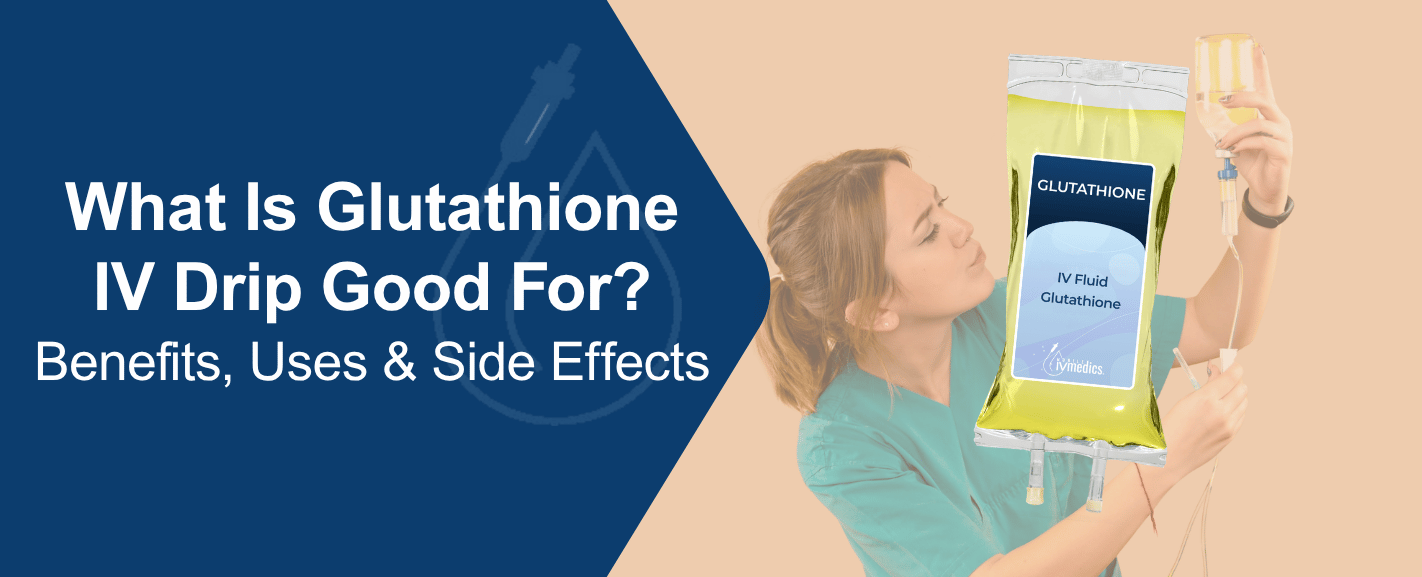
You’ve probably seen “master antioxidant” in wellness content more times than you can count. Glutathione IV therapy has been building momentum for a while now, praised for everything from skin brightening to cellular detox to sustained energy. And while there are real benefits worth knowing about, a lot of what gets written about glutathione overreaches what the research actually shows. This article gives you a clear picture of what glutathione IV drip is genuinely good for, where the science stands, and what to expect when you decide to try it.
Glutathione is a naturally occurring antioxidant your body already produces on its own. When it’s delivered intravenously, it bypasses the digestive process that breaks down most oral supplements before they ever reach the bloodstream, arriving at near-full strength. The result is a therapy that has found real traction among wellness seekers, athletes, and people dealing with chronic fatigue, skin health concerns, or liver stress. Here’s what it actually helps with.
What Is Glutathione and Why Do Levels Matter?
Glutathione is a short-chain peptide made from three amino acids: glycine, cysteine, and glutamic acid. Your liver synthesizes it continuously, and every cell in your body relies on it to neutralize free radicals and reduce oxidative damage to cellular structures. It’s often called the “master antioxidant” not just because of its own antioxidant activity, but because it recycles vitamins C and E back into their active forms, amplifying the body’s broader antioxidant network.
The problem is that glutathione levels decline with age, and they drop faster under chronic stress, heavy alcohol use, smoking, and sustained environmental toxin exposure. When levels fall low enough, oxidative stress accumulates, which is associated with fatigue, compromised immune response, accelerated skin aging, and increased strain on the liver. Restoring adequate glutathione levels through IV therapy has become the central rationale for this treatment in the wellness category.
What Is Glutathione IV Drip Good For?
Glutathione IV therapy is most commonly used for skin brightening, liver detox support, immune function, antioxidant replenishment, and athletic recovery. Each of those use cases has a different level of research support, so it’s worth understanding each one on its own terms.
1. Skin Brightening and More Even Skin Tone Are the Most Requested Uses
Skin health is by far the most common reason people seek glutathione IV drips, and the mechanism behind it is reasonably well understood. Glutathione inhibits tyrosinase, the enzyme responsible for producing melanin. Reduced melanin production translates to fewer dark spots, less hyperpigmentation, and a more even skin tone over time.
The benefits extend beyond pigmentation. Glutathione also supports collagen synthesis and may help protect existing collagen from oxidative breakdown, contributing to firmer, smoother skin texture. A peer-reviewed 2017 study confirmed glutathione’s influence on several skin properties, including pigmentation, fine lines, and elasticity.
| Most people begin to see initial brightening after four to six sessions, with more significant changes in skin tone typically developing over six to twelve weeks of consistent treatment. Results require ongoing maintenance to sustain, since melanin production and natural skin regeneration continue regardless of treatment. |
2. Detox Support Works Through the Liver, Not as a “Full Body Cleanse”
Glutathione is the liver’s primary detoxification agent, and this is its most clinically grounded use. It binds directly to heavy metals like mercury, lead, and cadmium, as well as pesticide residues and alcohol byproducts, converting them into water-soluble compounds the body can excrete through urine or bile. This process runs through what biochemists call Phase II liver detoxification, the critical final step in clearing toxins from the body.
A 2017 open-label study found that 300 mg of glutathione daily over four months improved liver enzyme levels and reduced fat accumulation in patients with metabolic-associated fatty liver disease. IV glutathione supplementation has also shown promising results for improving liver function markers in patients with alcoholic liver disease. The key distinction is that IV glutathione supports your liver’s own natural processes. It doesn’t “cleanse” the body in the way wellness marketing often implies.
This use is most relevant for:
- People with regular alcohol consumption
- Those with high urban pollution or significant occupational toxin exposure
- Anyone dealing with an elevated environmental heavy metal load
3. Immune Support Comes From How Glutathione Primes Key Immune Cells
Glutathione is concentrated in T-lymphocytes and natural killer cells, two of the most critical components of the immune defense system. When levels are adequate, these cells can multiply and respond more efficiently when the body encounters a pathogen. Research suggests that people with lower glutathione levels may be more susceptible to illness, particularly respiratory infections, with some studies finding up to a 50% increased vulnerability during flu season in those with depleted levels.
Glutathione also helps regulate cytokine production, the body’s internal signaling system for inflammation. An overactive cytokine response is associated with chronic inflammatory conditions and was a notable factor in severe COVID-19 cases, where studies found that many seriously ill patients had significantly depleted glutathione stores. Maintaining adequate levels may help your immune system stay calibrated rather than overreacting to threats.
4. Energy and Antioxidant Effects Are Linked to Mitochondrial Health
The mitochondria produce ATP, the molecule that powers virtually every cellular function in the body. They’re also among the most vulnerable structures to free radical damage. Glutathione helps protect mitochondrial membranes from oxidative injury, supporting consistent cellular energy production.
| Research has found that people with chronic fatigue syndrome often have significantly lower glutathione levels than healthy controls, suggesting a meaningful link between glutathione depletion and persistent low energy — one reason IV glutathione has gained traction among people managing chronic fatigue. |
Many people report a noticeable improvement in sustained energy within hours of an IV session. It’s a different quality than what a stimulant provides: calmer, more stable, and not followed by a crash. Glutathione also inhibits the NF-kB pathway, a key molecular driver of chronic inflammation. By moderating this pathway, it may help reduce the low-grade inflammatory load associated with a range of ongoing conditions.
5. Athletic Recovery Benefits Center on Reducing Oxidative Muscle Damage
Intense exercise generates reactive oxygen species, a class of free radicals that contribute directly to muscle fatigue, soreness, and slower recovery. Glutathione neutralizes these compounds after training, which may reduce recovery time and allow for more consistent training volume over time.
One well-cited clinical study in patients with peripheral artery disease found that twice-daily glutathione infusions over five days significantly improved circulation and walking distance compared to placebo. While that study focused on a specific clinical population, the underlying mechanism, glutathione’s effect on blood flow and oxidative stress in muscle tissue, is directly relevant to athletic recovery. Large controlled trials in general athletic populations haven’t confirmed these effects definitively, so it’s best framed as a supportive tool within a broader recovery protocol, not a performance guarantee.

Why Does IV Glutathione Work Better Than Oral Supplements or Food?
When you take oral glutathione, stomach acid and digestive enzymes break down most of it before it reaches the bloodstream. IV delivery bypasses digestion entirely, placing glutathione directly into the bloodstream at near-100 percent bioavailability. That’s why many people notice effects within hours of an IV session, while oral supplements can take weeks to show any measurable change — if they do at all.
| Delivery method | Bioavailability | Onset of effect | Notes |
|---|---|---|---|
| IV infusion | ~100% | Hours | Gold standard for therapeutic replenishment |
| Oral supplements | 10–20% | Days to weeks | Largely broken down before reaching the bloodstream |
| Food sources (broccoli, avocado, spinach) | Variable, low | Gradual, indirect | Provides precursor amino acids, not glutathione directly |
| NAC supplements | Moderate | Days | Supports natural production; slower and less predictable than IV |
One nuance worth knowing: IV glutathione raises plasma levels in the bloodstream, but getting those elevated levels into specific target cells — inside neurons, inside skin cells — depends on additional synthesis within those cells. The mechanism isn’t as simple as “more IV equals more glutathione everywhere,” which is why consistent, regular sessions tend to produce better outcomes than a single infusion.
Glutathione IV therapy is generally well tolerated when administered by licensed professionals. The most commonly reported side effects are mild and temporary:
- Nausea
- A brief headache
- Slight dizziness
- Minor skin sensitivity at the IV site
These typically resolve within a few hours without intervention. Serious reactions are rare but possible. Allergic responses involving hives, swelling, or difficulty breathing require immediate medical attention.
Speak with a physician before proceeding if any of the following apply:
- You are currently receiving chemotherapy (glutathione may reduce the oxidative mechanism certain drugs rely on)
- You have G6PD deficiency
- You have uncontrolled asthma
- You are pregnant or breastfeeding
| The FDA has not evaluated IV glutathione for the treatment or prevention of any disease — it is administered as a wellness support therapy, not a medical treatment. In 2025, UK Trading Standards authorities issued a public warning about unregulated glutathione drips being offered in beauty salons following reports of serious adverse events, including kidney strain and hospitalization. Always seek treatment from licensed medical professionals. |
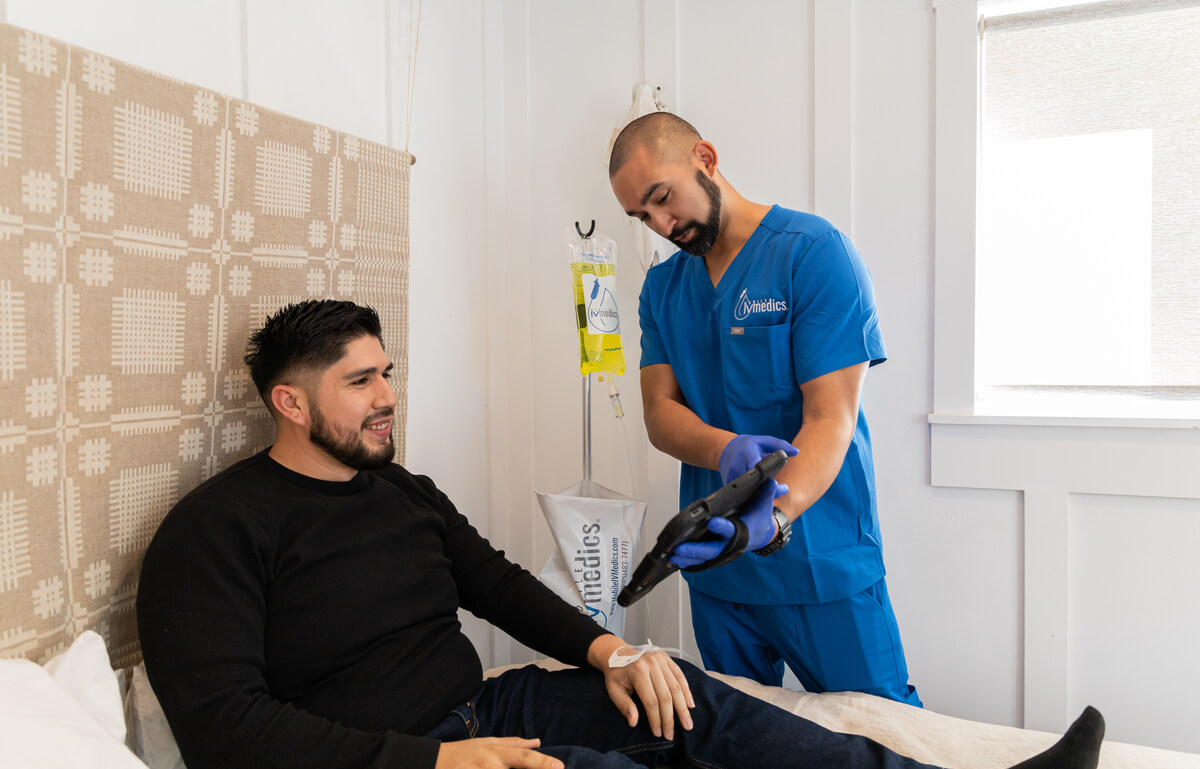
At Mobile IV Medics, glutathione is available as an add-on to IV therapy sessions administered by in-house Registered Nurses under physician supervision, delivered to your home, hotel, or office. Every session follows the same clinical intake and oversight protocols that apply across the full treatment lineup.
If glutathione IV therapy is on your radar, the most important decision isn’t which benefit to prioritize. It’s making sure the treatment is delivered safely, by qualified professionals, with a proper health intake and realistic expectations about timeline. For most healthy adults, it’s a low-risk addition to an existing wellness routine. When you’re ready to find out whether it’s a good fit for you, the team at Mobile IV Medics can walk you through the options and come to you.