Dry lips. A nagging headache. Low energy. And the very last thing you want is to force down another lukewarm glass of water. If that sounds familiar, you are far from alone, and the problem may have nothing to do with willpower.
Key Takeaways
- Hydration is water plus electrolytes, so foods and smarter drinks can outperform plain glasses.
- High-water foods like cucumber, watermelon, and broth deliver up to 500ml of fluid per meal.
- Milk, coconut water, and oral rehydration drinks beat water in clinical retention studies.
- IV therapy fully rehydrates the body in under 1 hour.
This guide explains how to hydrate your body without drinking water using 3 proven categories: water-rich foods, smarter drinks, and IV therapy for severe cases. Each option is backed by clinical research, so you can pick what fits your situation, your taste, and your health needs.
1. Why Plain Water Alone Fails So Many People
About 75% of Americans are chronically dehydrated, and a surprising number of them are diligent water drinkers. Effort isn’t the missing piece. Plain water solves only half the equation, which is why so many people quietly wonder whether you can stay hydrated without drinking water at all.
True hydration depends on fluid volume working alongside electrolytes. Sodium, potassium, and magnesium are charged minerals that direct water across the roughly 42 liters of fluid inside your body, deciding how much stays in your blood, your cells, and your tissues. Without them, the water you drink often gets flushed out through urine before it can do real work. In severe cases, drinking too much plain water can even cause hyponatremia, a dangerous drop in blood sodium that affects up to 30% of hospitalized patients.
The fastest fix isn’t more water. It’s smarter sources, starting with the food already on your plate.
2. Eat Your Water With These High-Hydration Foods
The simplest hydration upgrade hides in plain sight at every meal. Hydrating foods high in water content rank among the most efficient healthy alternatives to water you can find, since they arrive packaged with the vitamins, minerals, and fiber that bare water can never offer. Eating 2–3 of these foods for dehydration per meal can deliver about 500ml of fluid, roughly the equivalent of 2 full glasses of water, without drinking a drop.
Fruits With the Highest Water Content
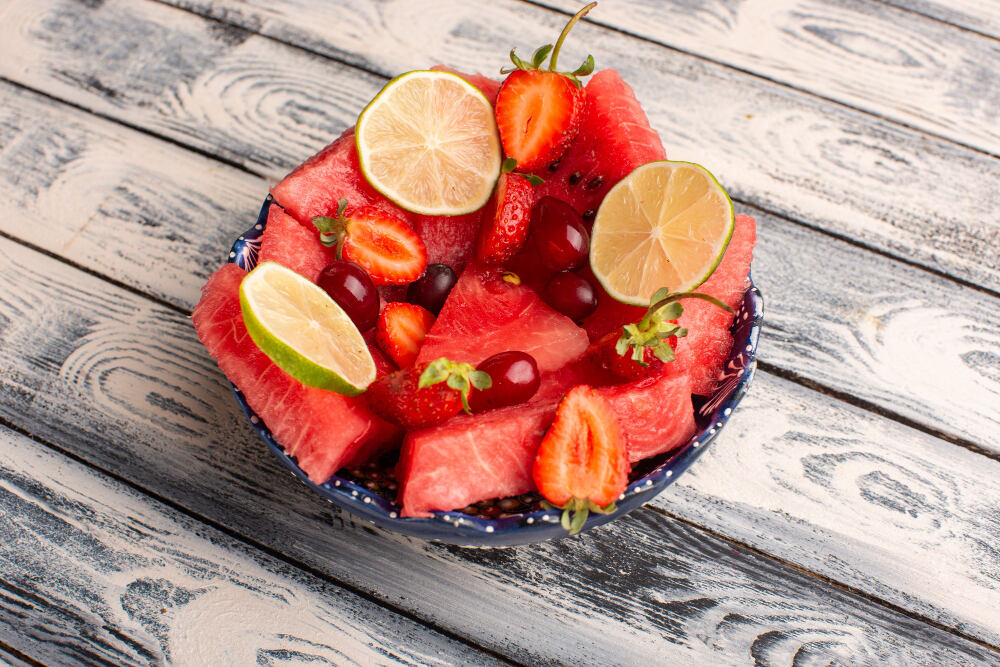
Watermelon is about 92% water and adds vitamins A and C, which makes it one of the most efficient hydrating foods you can eat. A full bowl can deliver roughly as much fluid as a full glass of water, without any of the taste fatigue. Other top performers include:
- Strawberries (91% water) for fiber and immune-supporting Vitamin C
- Cantaloupe (around 90%) for vitamins A and C plus potassium
- Oranges (88%) for Vitamin C and natural sugars that aid absorption
Vegetables That Double as Hydration
Cucumber leads the pack at 95–96% water, followed by zucchini at 95%, according to Saint Alphonsus, with spinach at 91%, plus lettuce and celery rounding out the list. Build them into salads, slice them as snack sticks with hummus, or blend spinach into a morning smoothie where the flavor disappears entirely.
Soups, Broths, and Surprising Sources
Bone broth and vegetable broth are water-based and naturally rich in sodium, potassium, and magnesium, which makes them ideal during illness recovery when you lose fluids and electrolytes at the same time. Yogurt with fresh berries works as a hydrating breakfast for water-skippers, since yogurt has high water content plus protein that helps the body hold onto fluid. Oatmeal cooked with milk soaks up significant fluid during cooking and counts toward your daily intake.
3. The Drinks That Hydrate Better Than Plain Water
For decades, plain water held an unquestioned crown as the gold standard of hydration. Then researchers built a way to actually measure fluid retention drink by drink, and the rankings stopped making sense. Several beverages most people consider indulgent or “extra” turned out to be the best drinks for hydration besides water, keeping you hydrated longer than water itself.
Why Electrolyte Drinks Beat Water on the Hydration Index
A 2016 landmark study created the Beverage Hydration Index, a score measuring how well each drink retains fluid in your body over 2 hours, compared to plain water. The results showed clearly what hydrates you better than water, and several everyday drinks outperformed water decisively.
| Beverage | BHI Score | vs. Plain Water | Why It Performs This Way |
| Skim milk | 1.58 | 58% more fluid retained | Protein, fat, and electrolytes slow stomach emptying |
| Oral rehydration drink (Pedialyte) | 1.54 | 54% more fluid retained | Sodium-glucose ratio maximizes intestinal absorption |
| Full-fat milk | 1.50 | 50% more fluid retained | Protein and fat combination improves retention |
| Orange juice | 1.39 | 39% more fluid retained | Natural sugars and potassium aid absorption |
| Sports drink | 1.15 | 15% more fluid retained | Sodium and carbohydrate work together |
| Electrolyte water | 1.10–1.15 | 10–15% more fluid retained | Sodium drives retention without calories |
| Plain water | 1.00 | Baseline | No electrolytes, absorbed but excreted quickly |
| Coffee or tea (moderate) | 0.98–1.00 | Roughly equal | Diuretic effect offset by fluid volume at 3–4 cups per day |
The BHI measures 2-hour fluid retention rather than full-day hydration, so differences soften over 24 hours. Even so, the ranking confirms that what you put in the water matters more than the water itself. A 2025 NIH clinical trial reached a similar conclusion, finding that a commercial electrolyte beverage improved hydration markers over 6 hours compared with water alone.
| Coffee Is a Net Hydrator at Normal Doses: The Mayo Clinic and BHI research agree that up to 3–4 cups of coffee or tea per day are net hydrating for regular drinkers. The fluid volume outweighs caffeine’s mild diuretic effect, so your morning cup counts toward your daily total. |
Coconut Water, Milk, and Other Natural Hydrators
Milk, both skim and full-fat, scored among the highest in clinical hydration trials because its protein, fat, and natural electrolytes work together to slow fluid loss. Coconut water delivers about 600mg of potassium per cup with less sugar than most sports drinks, which makes it one of the most effective natural ways to hydrate after exercise. Caffeine-free herbal teas count fully toward your daily fluid goals, and smoothies built on a milk or coconut-water base combine fluids, electrolytes, and nutrients in 1 glass.
Beating Taste Fatigue Without Reaching for Soda
The most hydrating drink is the one you will actually finish, which is why flavor strategy matters as much as the science. When deciding what to drink instead of water, a few simple swaps make hydration feel like a treat instead of a chore:
- Infused water with cucumber and mint, citrus and berries, or ginger and lemon
- Sparkling water, which hydrates equally to still water since carbonation has no measurable impact on fluid retention
- A splash of real juice added to sparkling water, which slightly improves BHI by introducing minimal carbs
- Temperature variation, very cold or very hot, to reframe hydration as a sensory pleasure
4. When Oral Hydration Still Isn’t Enough
Even the best oral rehydration drink runs into a hard ceiling. Your stomach can only empty around 800ml per hour at the maximum. During vomiting, severe illness, or rapid dehydration, your gut simply cannot keep up, no matter how good the drink is.

How IV Therapy Rehydrates You in Under an Hour
There is one situation where every food and drink in this guide stops working, and that’s when your gut becomes the bottleneck. IV hydration therapy was built for exactly that moment, offering a clear answer for how to hydrate when water isn’t enough by delivering fluids and electrolytes on a route the digestive system never gets to slow down.
Why IV Hydration Works When Drinking Doesn’t
IV fluids deliver water and electrolytes directly into the bloodstream at near 100% bioavailability, while oral supplements typically reach only around 50% after digestive processing. That gap matters most when the gut is the bottleneck, such as during nausea, vomiting, food poisoning, hangover recovery, heat exhaustion, or post-illness depletion. PubMed-published research confirms that rehydration is significantly faster with IV fluids than with oral methods.
How Fast and How Complete
A standard IV hydration session can fully restore your system in about 45–60 minutes, which makes it the fastest way to rehydrate your body when time matters. Oral fluids typically need 8–12 hours of normal gut absorption to reach the same level. Standard formulas use normal saline or Lactated Ringer’s solution and can be customized with B-complex vitamins, magnesium, Vitamin C, or anti-nausea medication based on what your body needs. Once the session ends, the benefits, including restored energy, clearer skin, and balanced electrolytes, can last for 3–4 days afterward.
When It’s Worth Considering and When It Isn’t
IV therapy earns its place during severe dehydration, illness recovery, post-event depletion, or any situation where you cannot keep fluids down. It isn’t necessary for mild daily under-hydration, which food and smarter drinks can solve on their own. Mobile services like Mobile IV Medics bring licensed nurses to your home, hotel, or office in many U.S. markets, which makes treatment realistic when leaving the house isn’t.
5. How to Tell It’s Actually Working
The most reliable at-home indicator is urine color returning to a pale yellow. A fading headache, returning energy, and skin that snaps back when pinched on the back of your hand all point in the right direction. Oral methods generally take 2–8 hours to fully restore balance, while IV therapy works in under 1 hour.
6. Building a Daily Routine That Doesn’t Rely on Plain Water
Hydration sticks when it stops feeling like a task and starts blending into the meals and moments you already have. A simple, repeatable rhythm gives you ways to hydrate besides water at every point of the day:
- Morning: Start with a yogurt and berry smoothie on a milk or coconut-water base.
- Lunch and dinner: Anchor each meal with at least 1 high-water food like cucumber, spinach, or watermelon.
- Afternoon: Replace 1 daily drink with coconut water or herbal tea instead of another coffee.
- Evening: Have a small glass of coconut water or an electrolyte drink within 1 hour of bedtime to offset the fluid you lose overnight through breathing and passive sweating.
- Backup plan: Keep an electrolyte option on hand for hot days and workouts, and know your escalation plan for the days when oral hydration isn’t enough.
Knowing how to hydrate your body without drinking water means you never have to choke down glass after glass again. With the right mix of water-rich foods, smarter drinks, and professional IV hydration when you truly need it, you can keep your body balanced and energized on your own terms. Mobile IV Medics is ready to help whenever oral hydration falls short.