
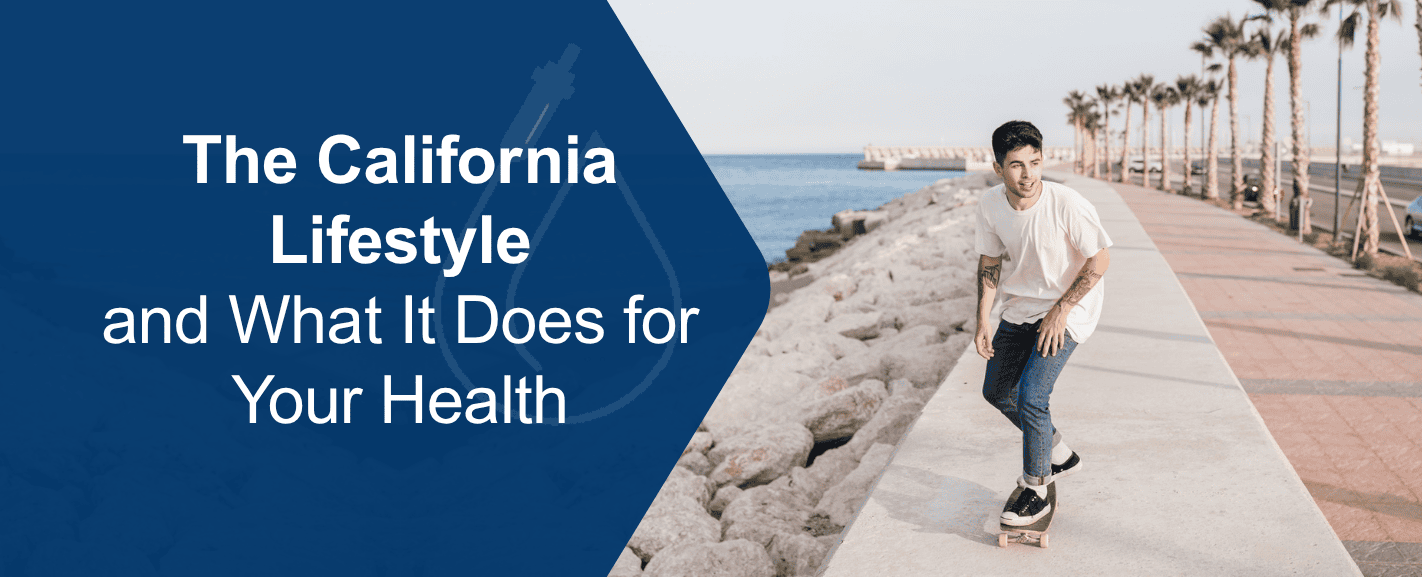
Most states have a wellness industry. California has a wellness environment. Long before “self-care” became a market category, residents here were hiking on Tuesday mornings, running Saturday farmers markets as a weekly errand, and talking openly about therapy without social consequence. The California lifestyle didn’t come from branding. It grew from geography, food systems, and decades of cultural normalization that the rest of the country is still catching up to.
Key Takeaways
- California’s wellness edge is structural — built into its geography, food systems, and on-demand health infrastructure, not into its reputation.
- More than 280 sunny days per year across most of the state make outdoor movement a daily default, not a seasonal goal.
- California produces over 1/3 of the country’s vegetables, making fresh food more affordable and accessible than in most states.
- On-demand services like mobile IV therapy reflect how Californians approach professional care as practical infrastructure, not a last resort.
This article breaks down what actually shapes health behavior in California — 4 structural pillars that make everyday wellness easier here than almost anywhere else in the country. It also looks honestly at the limits of that advantage and what living in California practically means for people navigating its real demands alongside its genuine benefits.
1. What Actually Makes California a Wellness State?
The global wellness economy has grown to around $6.8 trillion, but the California lifestyle wasn’t invented by that industry. It preceded it. While the rest of the country debates how to build movement, fresh food, and mental health support into ordinary life, California has been running that experiment since at least the 1970s.
The results show up in real data. California consistently ranks among the top states for physical activity rates, fruit and vegetable consumption, and access to outdoor recreation. Why California is popular as a wellness destination isn’t a mystery — it’s the compounding effect of an environment that makes healthy behavior the path of least resistance.
4 structural pillars explain most of the gap between California and the rest of the country:
- Climate and geography
- Food systems
- Mental health culture
- On-demand health infrastructure
Each one makes healthy defaults easier without requiring unusual discipline or disposable income. What makes California special isn’t any single factor, it’s what happens when all 4 reinforce each other across a lifetime.
Most of California gets more than 280 sunny days per year. That single fact restructures public behavior in ways that are easy to underestimate. In the Midwest and Northeast, winter reliably forces months of sedentary defaults. In California, outdoor activity has no off-season and because it doesn’t, movement embeds itself into social life in a way that discipline-dependent exercise regimens never quite manage.
The California lifestyle connection to movement isn’t really about fitness culture. It’s about proximity. Trail systems sit within 20 minutes of most major California metros. Beach access is a practical reality for roughly 1 in 3 Californians. San Francisco and San Diego have urban park densities high enough to support genuine walkability. When a canyon hike or a coastal bike ride is the natural way to meet a friend for the morning, movement stops being a goal and becomes a byproduct of ordinary social life.
Year-round sun also provides a measurable physiological baseline. Adequate vitamin D produced through direct sun exposure — supports immune function, mood regulation, and sleep quality. In most American states, supplementation or indoor alternatives are necessary for several months a year. In California, the sun handles this as a structural condition of life in California, not as a wellness intervention.
The flip side of outdoor culture is worth naming directly. Extreme heat in desert regions, inland valleys, and during Southern California heatwave windows typically May–October, peaking July–September creates genuine clinical risk for dehydration and heat exhaustion. Surfers, hikers, trail runners, and outdoor workers are the population most exposed. Oral hydration is too slow in acute heat stress. IV hydration replenishes fluids and electrolytes directly into the bloodstream, making it a practical recovery tool for people who live this actively outdoors. Mobile IV Medics’ hydration and dehydration IV therapy is built around exactly this kind of rapid recovery demand.
Active Californians also face 2 other predictable physical demands that outdoor culture creates:
- Sunburn and heat exhaustion follow through the May–September beach season for residents and visitors alike, where fast rehydration and anti-inflammatory support accelerate recovery without an urgent care wait.
- Athletic recovery is year-round surfers, runners, CrossFit athletes, and hikers deplete electrolytes, amino acids, and B-vitamins faster than rest alone can reverse. IV therapy for post-workout recovery shortens those windows in ways that matter for people whose active lifestyle depends on consistency.
| When outdoor activity is embedded in how people socialize — not just how they exercise — physical activity becomes self-sustaining at the population level. California’s trail density, year-round climate, and coastal access create exactly that condition. Movement here isn’t a habit people have to build. It’s the environment they live in. |
3. Why California’s Food Culture Runs Ahead of the Country
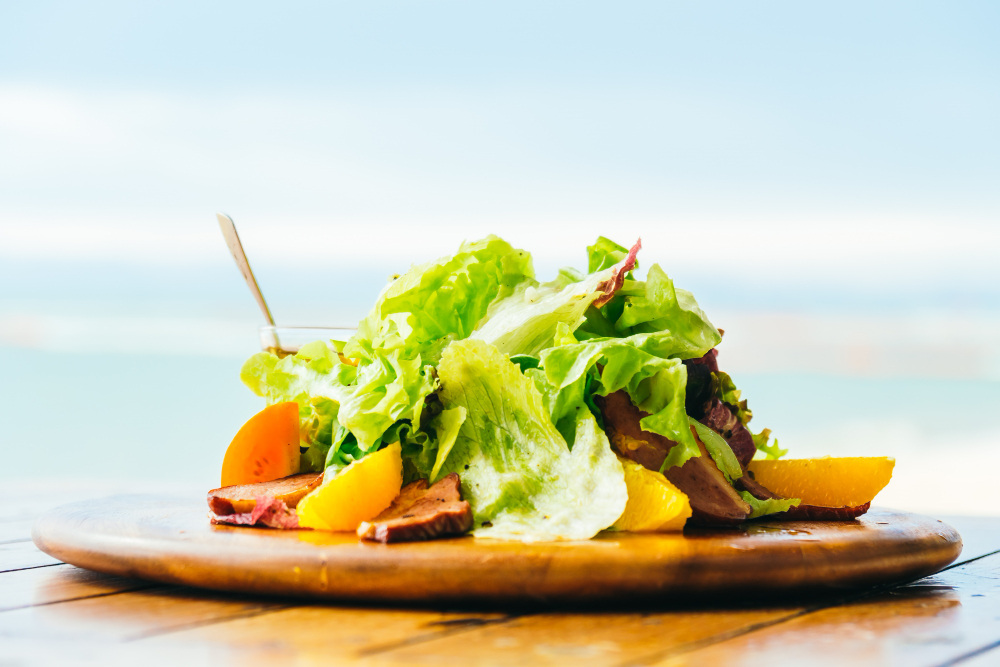
There is a structural reason California’s food environment looks different from the rest of the country, and it has nothing to do with taste or values. California produces more than 1/3 of the country’s vegetables and around 2/3 of its fruits and nuts. Proximity to production makes fresh, whole food genuinely cheaper and more available here than in most states — not as a premium choice, but as the affordable one.
Farmers markets function as weekly infrastructure in most California cities. The Saturday market is a regular errand across income levels, not a boutique weekend event. Plant-based options, juice bars, and grain bowl restaurants occupy the mainstream fast-casual tier here because consumer demand shaped supply over decades, not months.
The longer thread runs through the Chez Panisse movement, which emerged in Berkeley in the early 1970s and seeded a food philosophy — seasonal, local, minimally processed that became the cultural baseline for how a generation of Californians thought about eating. That philosophy filtered into home cooking, restaurant culture, and food retail in ways that compounded across subsequent decades. The result isn’t a population of unusually disciplined eaters. It’s a food environment where whole, fresh food is the easy default and that’s what actually changes eating behavior at scale.
California quality of life is partly a food access story. For residents already engaged with proactive health choices, on-demand services like medical weight management programs with home delivery extend that engagement into clinical territory in a way that fits naturally into how Californians already live.
4. How California Normalized Everyday Mental Health
California — particularly Los Angeles — has been the center of therapy culture and psychological openness in the United States since the human potential movement of the 1960s. This isn’t a recent shift. More than 50 years of normalization means “my therapist said” has been ordinary conversation here across age groups and income levels for long enough that it no longer reads as a personal disclosure.
The contrast with other parts of the country isn’t subtle. In many regions, seeking mental health care still carries real social stigma. The infrastructure density in California tells a different story — yoga studios, meditation centers, somatic therapy practices, and community mental health programs are distributed through California cities at a concentration that reflects sustained demand. Many of the mental wellness apps now used nationally were built in California because the receptive market was already there.
Sober-curious and mindfulness movements took root in California’s mainstream before they developed national visibility. Non-drinking social events, breathwork communities, and structured recovery support are normal here in a way that reflects living in California as a state that made space for those conversations early. The cultural permission to seek help created infrastructure, and that infrastructure made access easier, and easier access changed behavior at the population level — the same compounding dynamic that operates through climate and food. The pros of living in California include this permission structure around mental health, which is genuinely difficult to replicate in environments where help-seeking still carries stigma.
High-performance industries carry their own health load on top of this. Chronic screen exposure, stop-and-go commutes in Los Angeles and the Bay Area, and persistent urban smog can trigger and worsen migraine and tension headache patterns. CDC research links air pollution, including wildfire smoke and vehicle emissions with increased headache frequency and respiratory stress across affected populations. For this population, IV migraine relief — fluids plus anti-inflammatory and anti-nausea medication delivered directly into the bloodstream — addresses the physical consequence of California’s pace faster and more reliably than oral medication.
For expectant mothers navigating morning sickness, California’s health-conscious demographic is already oriented toward proactive care. IV therapy for morning sickness provides safe hydration and anti-nausea relief without requiring oral intake — a meaningful advantage when nausea makes drinking fluids difficult.
5. The On-Demand Health Infrastructure Most States Don’t Have
California pioneered concierge wellness — the model where professional care comes to the patient rather than requiring navigation through traditional healthcare systems. Mobile IV therapy, telehealth, in-home care, and on-demand recovery services are more normalized here than in any other state, because California living creates specific, recurring physical demands that conventional healthcare isn’t structured to meet quickly.
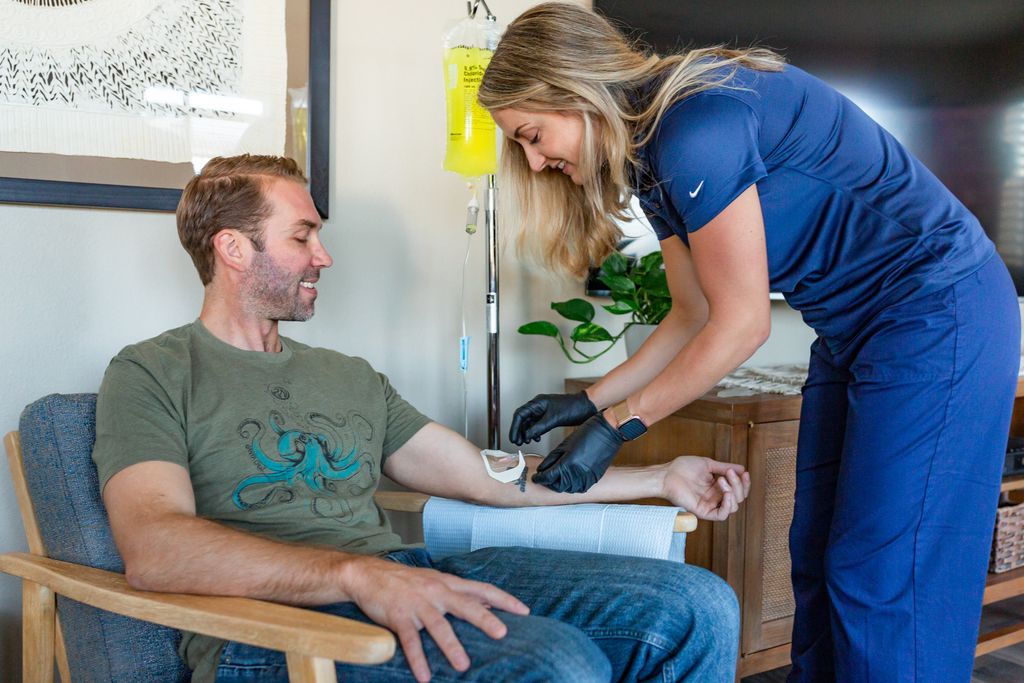
Mobile IV therapy is straightforward: a registered nurse delivers hydration, vitamins, and medications directly to a home, hotel, or office. No waiting room, no appointment backlog, no gap between need and treatment. What started as a service associated with celebrity recovery culture has become standard for a broad demographic of residents who use it the way previous generations used urgent care for minor issues — practically, without ceremony.
California’s lifestyle creates several recurring demand windows where that gap between need and treatment matters most:
- Hangover recovery peaks Friday through Sunday, through holidays, and during awards season in Los Angeles. Year-round nightlife in LA and San Diego, combined with the wine tourism of Napa, Sonoma, and the Central Coast, creates consistent demand. Hangover IV therapy with anti-nausea support, pain relief, and rapid rehydration restores function within about 1 hour.
- Jet lag hits hard at LAX and SFO, 2 of the busiest international air hubs in the country. Arriving depleted from a 10–14 hour flight into a demanding California schedule is the normal condition for business travelers. IV therapy for jet lag recovery with B-vitamins and energy support counteracts fatigue and cognitive fog faster than sleep debt allows on its own.
- Post-festival exhaustion is predictable and acute. Coachella, Outside Lands, Stagecoach, and EDC draw hundreds of thousands of people through desert heat, high alcohol consumption, compressed sleep, and sustained physical exertion — conditions that compound dehydration and nutrient depletion rapidly. Post-festival recovery IV therapy addresses all of these simultaneously, which is why demand spikes around major festival weekends are among the highest-volume windows Mobile IV Medics sees each year.
- Wildfire smoke exposure runs August–November and has no real equivalent elsewhere in the country. Air quality emergencies during fire season cause headaches, respiratory stress, and systemic fatigue across large areas of the state. Immune Boost IV therapy with Vitamin C, zinc, and glutathione supports the body during prolonged smoke exposure.
- Cold and flu season connects across the November–March window alongside year-round school illness cycles. Cold and flu IV therapy delivers immune-supporting nutrients and hydration in a single at-home session.
- NAD+ and longevity demand is year-round from California’s tech and entertainment demographic — the segment most actively investing in anti-aging and biohacking protocols. NAD+ IV therapy supports cellular energy and repair at a level California’s wellness infrastructure made mainstream long before it spread nationally.
Mobile IV Medics serves the communities where California’s lifestyle demands run highest. Whether you’re recovering after a weekend in Los Angeles, rehydrating after a desert festival near Palm Springs, bouncing back from a long beach day in San Diego, or dealing with wildfire smoke in Ventura County, a registered nurse can be at your door in about an hour — no clinic visit, no waiting room, no disruption to your day.
The throughline across all of these is the same: whether California is a good place to live as a wellness question comes down in large part to whether this on-demand infrastructure is accessible to you and for most people in California’s major metros, it is.
6. Does the California Lifestyle Actually Deliver?
The honest answer: measurably, for people embedded in its infrastructure — less so for those priced out of it.
California ranks well on physical activity rates, fruit and vegetable consumption, and mental health resource access. The outdoor culture, food environment, and psychological openness produce population-level outcomes that are real and documented. But the same state carries significant structural inequities. Air quality in the Central Valley and parts of inland Southern California is among the worst in the country. Healthcare access gaps for lower-income populations persist. The cost of living concentrates the lifestyle’s benefits in ways that are unevenly distributed across Californians.
What makes California special in a wellness context is the compounding effect when all 4 pillars are accessible simultaneously — trails nearby, fresh food affordable, mental health support normalized, and professional care available on demand. For people with that access, the behavioral defaults shift in ways that are genuinely difficult to replicate through individual effort alone in environments that don’t make healthy choices easy.
Why California is a good place to live comes partly down to this environmental effect. The state didn’t manufacture a wellness culture — it built physical and social conditions in which healthy behavior became ordinary behavior. The rest of the country is catching up, but California’s head start is measured in decades, not years.
The practical takeaway for anyone navigating life in California is not that the state’s environment does the work for you. It’s that the environment removes many of the structural barriers that make wellness hard. That’s a real and meaningful advantage — one that mobile IV therapy and California’s broader on-demand health infrastructure reinforce by making professional support as accessible as the trails outside the door.
California’s wellness edge is real, and it’s structural. Geography, food systems, mental health culture, and on-demand health infrastructure have compounded over decades to make healthy defaults easier here than in most of the country. For Californians navigating the real physical demands that lifestyle creates heat, exertion, air quality, pace — Mobile IV Medics delivers clinical-grade hydration, recovery, and immune support directly to your location, so professional care fits into your life rather than interrupting it.


