If you’re hungover right now, here’s what to do in the next 30 minutes: drink something with electrolytes (not just water), take ibuprofen with a full glass of fluid, eat a banana or plain toast if your stomach allows, and get back horizontal in a dark room. A hangover isn’t just dehydration, and that’s exactly why drinking water and waiting it out rarely feels like enough.
Key Takeaways
- A hangover hits 4 body systems at once — dehydration, toxic buildup, blood sugar disruption, and inflammation — each needs its own fix.
- Ibuprofen is safer than acetaminophen for hangover headache; always take it with food and water.
- IV therapy delivers fluids and medication in about 30–45 minutes — faster than anything you can drink.
Hangover cures fast actually exist — but they work best when matched to the right symptom. A hangover is 4 separate biological disruptions happening simultaneously: dehydration, toxic buildup, blood sugar instability, and inflammation. This guide breaks down what’s driving each symptom and the fastest way to address it, including when IV therapy outpaces anything you can eat or drink.
Why a Hangover Hits So Hard
Most people reach for water and painkillers and hope for the best. That covers 1 or 2 of the 4 drivers — which is why symptoms often linger longer than expected.
Alcohol suppresses antidiuretic hormone, so the kidneys shed far more water than normal. About 4 standard drinks can push fluid loss to 600–1,000 ml above baseline before sweating or vomiting are even counted. At the same time, the liver breaks alcohol down into acetaldehyde — a toxic compound that causes flushing, nausea, rapid heart rate, and head pain before the body can clear it. Alcohol also triggers an immune response, raising pro-inflammatory proteins including IL-6 and interferon-gamma, which produce the body aches and fatigue that feel more like a mild illness than a rough night. Finally, alcohol disrupts blood sugar and suppresses REM sleep — which is why brain fog and tiredness linger well after nausea and headache fade.
Headache, nausea, and dehydration tend to peak in the first 2–4 hours and respond to targeted treatment within 30–60 minutes. Fatigue and mental fog take longer because they reflect genuine sleep loss and metabolic disruption. The fastest recoveries pair multiple matched interventions — because recovering from a hangover means addressing all 4 drivers, not just the loudest one.
Fast At-Home Hangover Cures by Symptom
What helps a hangover depends entirely on which symptom you’re targeting. The sections below cover the most effective home remedies for hangovers matched to each major symptom — not generic advice.
How to Get Rid of Hangover Headache?
Hangover headache has 2 overlapping causes: dehydration-driven vascular pressure around the brain, and acetaldehyde-driven inflammation that sensitises pain pathways. Treating only 1 produces partial, short-lived relief.
The most important call is which pain reliever to take. When weighing ibuprofen or Tylenol for a hangover, ibuprofen (200–400 mg) is the better choice for most otherwise healthy adults — it’s anti-inflammatory, which targets the actual mechanism behind the pain rather than just masking the signal. Take it with a full glass of water and food. Ibuprofen on an empty stomach irritates the gastric lining even in people with no prior stomach issues. Anyone with ulcers, kidney disease, or gastric sensitivity — or anyone still drinking — should avoid NSAIDs entirely.
Acetaminophen (Tylenol) is riskier after alcohol. Both substances are processed through the same liver pathway, and overlapping them — even with residual alcohol still in the system — raises the risk of liver toxicity. Current guidance advises avoiding acetaminophen within 12–24 hours of heavy drinking for this reason. Once alcohol has fully cleared, it becomes safer — but it remains a poor default for a standard next-morning hangover.
While oral pain relief builds over 30–45 minutes, a cold compress and a dark, quiet room reduce the sensory input that makes headache worse. For severe headache that oral medication isn’t touching, IV anti-inflammatory medication enters the bloodstream in minutes — with no absorption delay.
| Medication | Benefit | Key Risks After Alcohol |
| Ibuprofen (NSAID) | Reduces inflammation and headache; first choice for otherwise healthy adults | Can irritate the stomach and raise GI bleeding risk; avoid with ulcers, kidney disease, or while still intoxicated |
| Naproxen (NSAID) | Longer-acting relief for headache and body aches | Same GI and kidney risks as ibuprofen; take with food and avoid in high-risk patients |
| Aspirin (NSAID) | Relieves headache and body aches; mild blood-thinning effect | Higher bleeding risk when combined with alcohol; not suitable for people with bleeding disorders or certain medications |
| Acetaminophen (Tylenol) | Pain and fever relief | Alcohol raises liver toxicity risk; avoid within 12–24 hours of heavy drinking |
How to Get Rid of Hangover Nausea?
Alcohol hits the stomach from several directions at once — it irritates the gastric lining, increases acid production, and speeds up gut motility. The combined result is nausea, stomach pain, vomiting, and for many people, hangover diarrhea that compounds fluid and electrolyte loss.
Small, frequent sips of clear fluid beat large glasses of water. A large volume stretches an already-irritated stomach and often triggers vomiting. When nausea is the main issue, an oral rehydration solution is better than plain water — the electrolytes it contains replace what’s been lost through vomiting, diarrhea, and excess urination.
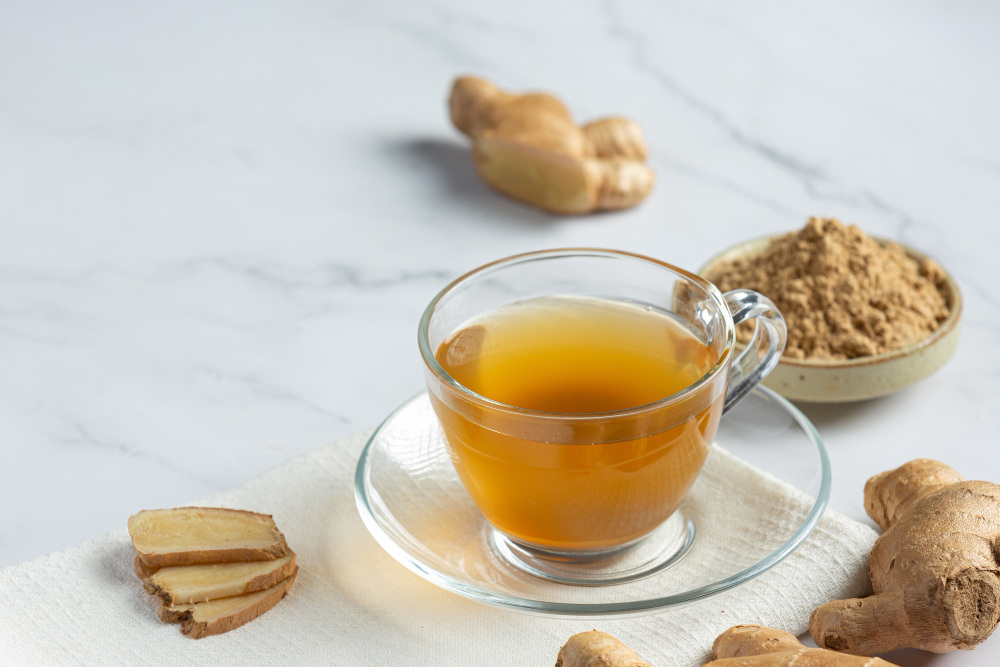
For natural relief, ginger has the strongest evidence of any natural option. Multiple trials and systematic reviews show it outperforms placebo for mild to moderate nausea across multiple contexts, including post-operative recovery, motion sickness, and pregnancy. Ginger tea or a standardised ginger capsule is a practical first step. For acid irritation, an OTC antacid reduces gastric discomfort. Bismuth subsalicylate (Pepto-Bismol) addresses broader stomach upset and helps ease hangover diarrhea — use it cautiously with kidney disease or aspirin sensitivity.
A few things reliably make nausea and stomach ache after drinking alcohol worse:
- Greasy food in the first 1–2 hours
- Black coffee on an empty stomach
- Lying completely flat, which worsens acid reflux
When nothing stays down for several hours, oral care stops working entirely. IV anti-nausea medication like ondansetron bypasses the stomach and breaks the vomiting cycle faster than any drink or supplement can.
Dehydration — The Best Hangover Drinks, Ranked
Plain water helps, but it isn’t the best hangover drink when dehydration is significant. Sodium and potassium are needed to move water across the intestinal wall and into cells — without them, large amounts of plain water can actually dilute blood sodium further, slowing recovery rather than accelerating it. Here’s how the most common options compare:
- Oral rehydration solutions and sports drinks such as Gatorade for hangover recovery are the most effective options for moderate dehydration. They pair sodium and glucose to actively drive water absorption through the gut. The tradeoff with sports drinks is higher sugar, which matters less when rapid rehydration is the goal.
- Coconut water is a gentler choice for mild to moderate dehydration. Research shows it provides a natural potassium-to-sodium ratio and is easy on a sensitive stomach. Coconut water for hangover relief works best paired with a sodium source, since its lower sodium content makes it less suitable for significant fluid loss.
- Orange juice provides potassium and helps correct low blood sugar — but its acidity makes it a poor first drink on an upset stomach. It belongs in Phase 2, once nausea has settled.
- Lemon water is low-risk and may ease nausea slightly, but it isn’t a meaningful rehydration tool on its own — more of a supportive addition.
- Black coffee and energy drinks don’t belong on this list at all. Coffee is both a diuretic and a stomach irritant. Energy drinks add caffeine and sugar with no useful electrolytes. Both make dehydration worse.
What Supplements Actually Help with Fatigue and Brain Fog?
Two of the most persistent hangover symptoms — fatigue and brain fog — have a direct nutritional explanation. Alcohol depletes B vitamins while simultaneously raising the body’s demand for them, especially thiamine (B1) and B12, which drive cellular energy production and help process acetaldehyde. Vitamin B for hangover recovery isn’t a wellness trend; it targets a genuine deficiency caused by drinking.
A B-complex supplement covering B1, B6, and B12 is the most practical OTC option. Take it with food — absorption is lower and stomach tolerance is worse on an empty stomach.
Magnesium is worth adding. Alcohol flushes it through the kidneys, and research published in PMC links low magnesium levels to worsened headache, muscle weakness, and cramping after drinking. Magnesium glycinate and magnesium citrate are the most bioavailable oral forms. The honest limit: oral supplements take about 1–2 hours to produce meaningful effects, and gut absorption is never complete. For anyone asking whether magnesium helps with hangovers — yes, specifically for headache and muscle fatigue, though it works best as part of a broader recovery plan. IV vitamin delivery achieves 100% bioavailability immediately, which matters when fatigue and brain fog are severe.
How to Get Rid of Hangxiety?
Hangxiety is neurochemical, not psychological — and it helps to know that. Alcohol boosts GABA, the brain’s calming signal, while suppressing glutamate, its main excitatory signal. With heavy drinking, the brain adapts by dialling down GABA sensitivity and turning up glutamate. When alcohol clears, the result is a temporarily overexcited nervous system: too little calm, too much stimulation. This rebound effect explains the racing thoughts, chest tightness, and low-grade dread that characterise hangxiety — none of it reflects a personal failing.
Elevated cortisol and a raised resting heart rate add to the on-edge feeling. A few interventions have genuine support:
- Physiological sigh breathing — 2 inhales through the nose followed by a long exhale — settles the nervous system within minutes.
- A short outdoor walk uses cortisol productively without the fluid loss and physical stress of intense exercise.
- Limiting caffeine matters more than most people realise. Coffee raises heart rate and stimulates an already overexcited nervous system — reaching for it first thing is one of the most reliable ways to make hangxiety significantly worse.
Does Coffee Help with Hangovers Or Make Things Worse?
Caffeine constricts blood vessels in the brain, which can temporarily ease certain types of headache. That’s the whole case for coffee as a hangover remedy — and it’s a short one.
On the other side: coffee is a diuretic that worsens dehydration, a gastric irritant that aggravates nausea and acid reflux, and a stimulant that amplifies hangxiety. It also produces a post-caffeine crash that adds a second energy trough to an already depleted morning.
The best-case scenario is a small cup, taken after rehydrating with electrolytes, eating something, and confirming hangxiety is under control. The worst case — very common — is a full cup on an empty stomach before anything else, when nausea and anxiety are still active. In that situation, coffee makes 3 of the 4 main hangover symptoms worse. It’s a conditional tool, not a cure.
The Best Hangover Foods — What to Eat and When?
Timing matters as much as food choice. The right food at the wrong moment can set nausea back significantly. A 2-phase approach makes the difference.
Phase 1 — First 1–2 hours, or while nausea is still active
The goal here is gentle blood sugar stabilisation without overwhelming an irritated stomach. Bland, low-fat carbohydrates are the foundation:
- Plain toast or crackers
- White rice
- Plain oatmeal
- Bananas — the standout choice among the best hangover foods for this window, replacing potassium lost through urine and vomiting while providing enough natural sugar to lift blood glucose without a spike
Phase 2 — Once nausea settles, typically mid-morning
This is where more substantial recovery nutrition fits:
- Eggs supply protein and cysteine, an amino acid involved in acetaldehyde breakdown — though direct human trial evidence is limited
- Avocado adds potassium and healthy fat for sustained energy
- Broth-based soups — chicken or vegetable — deliver sodium, fluids, and easy calories without needing a functioning appetite
- Leafy greens and other nutrient-dense foods support the anti-inflammatory recovery process once the stomach can handle more
For juice, timing still applies. Orange juice earns its reputation for potassium and blood sugar support, but its acidity makes it a Phase 2 drink. Watermelon juice hydrates with a gentler acid profile and is better tolerated earlier. Tomato juice is among the better juice options for hangovers — it provides sodium and lycopene with solid electrolyte value.
One persistent myth deserves a clear answer: greasy food is not among the best hangover foods, despite its reputation. Alcohol clears the gut within about 30–60 minutes of consumption — by the time a hangover starts, it’s already in the bloodstream. Greasy food during a hangover just adds fat and irritants to a compromised stomach. Eating before drinking is the real mechanism; that’s prevention, not recovery.
NIAAA research shows women tend to reach higher blood alcohol concentrations than men after the same intake — due to lower body water content and differences in gastric enzyme activity — which means the blood sugar crash and fatigue phase frequently hit harder and last longer. The 2-phase eating approach is especially important here.
| Food or Pattern | Benefit | Best Timing |
| Bland carbs (toast, crackers, rice, oatmeal) | Gentle on the stomach; restore blood glucose for brain function | Early phase, especially with active nausea |
| Bananas and potassium-rich fruit | Replace potassium lost through urine, sweat, and diarrhea | Once small solids are tolerable |
| Broth-based soups | Combine fluids, sodium, and easy calories | Mid-morning or lunch as appetite returns |
| Eggs | Protein and cysteine to support metabolism and recovery | Later phase once nausea has mostly resolved |
| Greasy fried foods | Do not absorb alcohol; can worsen reflux and nausea | Avoid during an active hangover |
IV Therapy for Hangovers
IV therapy isn’t a last resort for people who tried everything else. It’s a legitimate anti-hangover option with a different speed ceiling and a different set of ingredients — one that makes straightforward sense for the right situation.
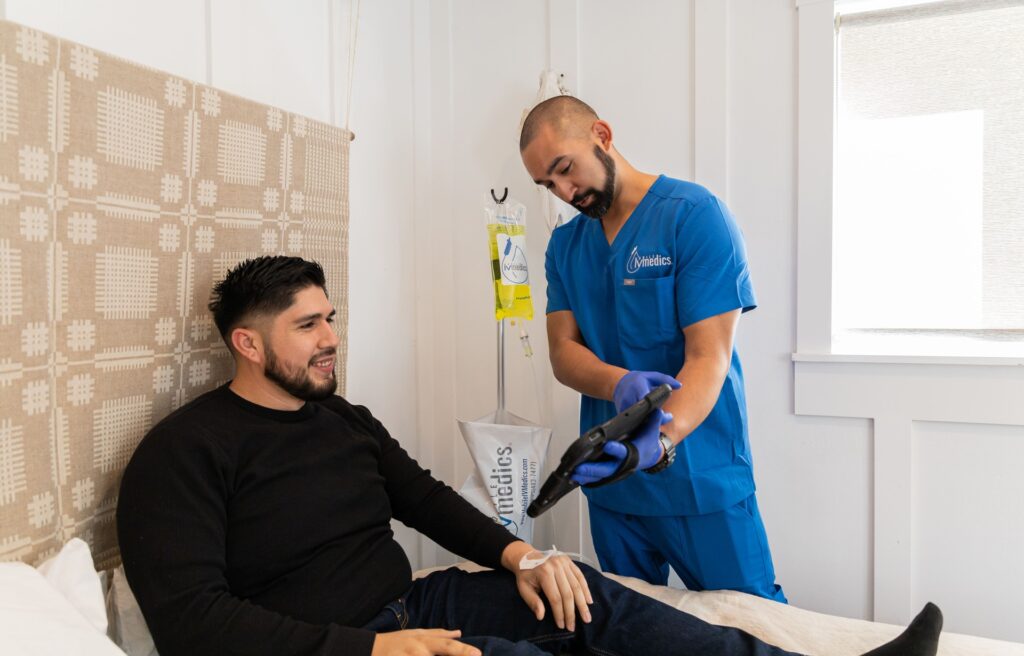
Every oral remedy runs into the same wall: the GI tract. Fluids, electrolytes, vitamins, and medications all need to absorb through an intestinal wall that’s inflamed, irritated, and — when vomiting is active — not functioning at all. Under normal conditions, oral electrolyte drinks take 1–2 hours to meaningfully raise circulating fluid volume. When nothing is staying down, that option disappears entirely.
IV therapy skips the GI tract. A saline or Lactated Ringer’s solution goes directly into the bloodstream at 100% bioavailability, restoring circulating volume in about 30–45 minutes. A typical Mobile IV Medics hangover drip layers onto that fluid base:
- B-complex vitamins for energy and acetaldehyde processing
- Magnesium for muscle and neurological function
- Vitamin C and glutathione as antioxidants supporting liver detoxification
- Prescription ondansetron for nausea — acts centrally and stops vomiting faster than any OTC option
- IV anti-inflammatory medication for severe headache and body aches, reaching the bloodstream in minutes
IV therapy makes the most sense in 3 situations:
- Nothing is staying down and oral rehydration is impossible
- Dehydration is significant — dizziness, very dark urine, near-fainting on standing — without red-flag signs of alcohol poisoning
- The person needs to recover from a hangover within hours rather than wait out a passive 6–8 hour recovery arc
Mobile IV Medics sends a licensed provider to the patient’s location, performs a clinical assessment, and administers the drip on-site — no driving to a clinic while symptomatic, no waiting room. The cost is higher than OTC options, but the value is speed, completeness, and access to prescription-grade medications that no supplement or sports drink can match.
What IV therapy doesn’t fix is worth stating clearly. Acetaldehyde clearance is liver-dependent and runs on its own schedule regardless of hydration. Sleep deprivation requires actual rest. Knowing both limits is part of getting rid of a hangover with accurate expectations.
Congeners — byproducts of fermentation found in higher concentrations in whiskey, brandy, and red wine — are directly linked to more severe hangover symptoms compared to low-congener options like vodka or gin. Total alcohol consumed is still the main driver, but drink choice measurably affects how you feel the next morning.
Hangover Recovery Plan for the Rest of the Day
Hangover self-care doesn’t follow a fixed timetable — it follows where you actually are in your symptoms. The plan below is a guide, not a schedule.
- In the first 2 hours, focus on matched interventions: small sips of electrolyte fluid, Phase 1 food if the stomach is tolerating anything, and ibuprofen with water and food for headache. Keep stimulation low — screens, noise, and bright light all make headache and anxiety worse. If vomiting won’t stop, dizziness is significant, or oral medication isn’t touching the headache, this is the window where IV therapy delivers the most value. Starting early shortens the total recovery arc.
- From mid-morning into the afternoon, transition to Phase 2 foods as nausea eases, continue steady electrolyte hydration, and — once dizziness has settled — try a short walk outside. Light movement, fresh air, and natural light help bring cortisol down and ease nervous system overstimulation. Hold off on caffeine and screens if either is worsening anxiety or headache.
- Sleep is one of the most underused recovery tools. Alcohol suppresses REM sleep — the phase responsible for cognitive recovery and emotional regulation. A mid-day nap or an earlier bedtime accelerates the return of mental clarity and stable mood more than any supplement can.
For the full 24-hour recovery window, avoid more alcohol, intense exercise, skipping meals, and heavy caffeine dependence. Most people with a moderate hangover following a targeted plan will feel functionally normal within 6–8 hours. More severe cases — especially with poor sleep and heavy drinking — can take 12–24 hours to fully clear.

How to get over a hangover comes down to giving the body what it actually needs: matched hydration, the right food at the right time, targeted symptom relief, and genuine rest. For fast hangover cures that go beyond what oral remedies can deliver, Mobile IV Medics offers at-home IV therapy that meets you where you are — so recovery starts sooner, not hours from now.
Service is available across multiple states, including high-demand areas where next-morning recovery is a very real need. You can check hangover IV therapy service areas in Nevada if you are visiting or based in Las Vegas, or explore hangover IV therapy service areas in Florida to find coverage near you and confirm same-day availability in your city.