
Key takeaways
- Winter wellness starts with vaccination, sleep, hydration, nutrition, and habits that reduce exposure.
- An immune support IV package may be considered after clinical screening when hydration support is appropriate; it does not replace preventive care or treatment for cold or flu.
- Different packages fit different goals, from seasonal wellness to illness recovery.
- Symptoms that are severe, rapidly worsening, or affecting breathing, alertness, or the ability to keep fluids down require urgent medical evaluation, not a wellness IV.
Winter wellness should start before the first cough or fever. Travel, poor sleep, missed meals, and low fluid intake can affect how you feel long before illness begins, so the better question is not which immune drip has the longest ingredient list, but what your body needs right now.
Whether an immune support IV package is appropriate should be determined through clinical screening that considers symptoms, oral fluid intake, medical history, and the need for medical evaluation. IV therapy does not treat a cold or flu and should not replace rest, oral fluids, home care, testing, or prescribed treatment when those are indicated.
Why Winter Can Disrupt Hydration, Nutrition, and Recovery
Cold weather can reduce the urge to drink, which may lead to lower fluid intake during the day. Travel, holiday schedules, and long work hours can also disrupt regular meals, sleep, and hydration.
If a cold or flu develops, fever, sweating, nausea, vomiting, diarrhea, and poor appetite can widen those gaps. The body may lose fluids faster than they are replaced, while reduced food intake can make it harder to meet normal nutritional needs.
Recovery may continue after the main symptoms improve. Appetite, hydration, and energy often take longer to return, especially after several days of poor intake. That is why winter support should focus on the actual problem, whether it is hydration, nutrition, or recovery, rather than the season alone.
Choosing the Right Immune Support IV Package for Your Winter Wellness Needs
Your hydration and nutritional needs can change throughout the winter season. Whether you are preparing for winter, managing a mild cold, recovering from the flu, or rebuilding your strength after illness, different IV approaches may be appropriate depending on your current needs.
Before Symptoms, Nutrient Support Only When a Real Gap Exists
Before symptoms appear, healthy daily habits remain the foundation of winter wellness. When an immune support IV package is appropriate, its role is to address a specific hydration or nutritional need rather than provide routine seasonal treatment.
An immune support IV package may be considered when a clear hydration or nutritional gap is identified through diet, symptoms, health history, or clinical screening. Examples include inadequate fluid intake, restricted diets, diagnosed nutrient deficiencies, frequent travel, or demanding schedules that regularly disrupt meals and hydration.
Winter exposure alone does not create a vitamin deficiency or mean that everyone will benefit from an immune support IV package. People who are well hydrated and eating a balanced diet may gain little from additional nutrients.
Even when an immune support IV package is appropriate, it should complement—not replace—vaccination, hand hygiene, cleaner indoor air, quality sleep, balanced nutrition, and daily hydration.

During a Mild Cold, Home Care May Be the Better Choice
A mild cold usually does not cause the fluid or nutrient loss that calls for IV support. If you are eating, drinking, and functioning normally, an immune support IV package is unlikely to provide additional benefit.
Most uncomplicated colds improve with time. Rest, oral fluids, a clean humidifier, saline nasal spray, and appropriate symptom care are often enough. When symptoms remain mild and there is no significant vomiting, diarrhea, or dehydration, home care is generally the better choice. Contact a healthcare professional if symptoms worsen, last longer than expected, or you are at higher risk of complications.
During Flu With Poor Intake, Hydration and Electrolytes May Matter Most
Flu often causes fever, body aches, fatigue, and poor appetite. When sweating, nausea, vomiting, or diarrhea make it difficult to replace fluids, hydration may become a greater priority than additional vitamins.
A hydration-focused IV package may be more appropriate than a vitamin-focused formula when fluid loss is significant and oral intake is inadequate. Persistent thirst, dry mouth, reduced urination, dizziness, weakness, or nausea that limits drinking may suggest that fluid intake is not keeping pace, although these symptoms are not specific to dehydration and should not be used for self-diagnosis.
For medically appropriate patients with mild to moderate illness, a clinician may recommend a cold and flu IV drip to provide fluids, electrolytes, and selected nutrients as supportive care.
IV therapy provides supportive care only. It should not delay influenza testing, prescription antiviral treatment, or medical evaluation when these are clinically indicated.
| Dehydration is a recognized complication of influenza. Reduced urination, persistent dizziness, confusion, or severe weakness may indicate the need for prompt medical evaluation rather than routine wellness support. |
After Illness Recovery Support Addresses What Poor Intake Left Behind
The end of a fever is not always the end of recovery. Many people return to work or exercise while their appetite, fluid intake, and energy are still catching up.
Reduced hydration, low appetite, fatigue, weakness, headache, or difficulty returning to normal activity may continue after the main symptoms improve. At this stage, the goal changes. Care is no longer focused on active cold or flu symptoms, but on the disruption left by several days of poor intake or fluid loss.
Fluids and electrolytes may support hydration when a real gap remains. Selected nutrients may also be considered when reduced food intake has created a clear need.
After illness, hydration and nutritional needs often change, making a recovery-focused immune support IV package more appropriate than one intended for seasonal wellness. Even then, recovery support cannot replace balanced meals, sleep, gradual activity, or medical evaluation for fatigue that is severe, persistent, or getting worse.
What’s Inside an Immune Support IV Package and What Each Ingredient Supports
Different immune support IV packages may contain different combinations of fluids, electrolytes, vitamins, and optional add-ons. The best package is not always the one with the most ingredients. Instead, each component should serve a clear hydration, nutritional, or recovery goal.
Package formulations vary between providers and patient needs. Medical screening helps determine whether a patient needs an immune-focused package, a simple hydration treatment, selected add-ons, or no IV at all.
| Ingredient | Primary Role |
| IV fluids | Help restore hydration when fluid intake has decreased or fluid losses have increased |
| Vitamin B12 | Supports red blood cell formation and normal energy metabolism |
| Vitamin C | Supports normal immune function and antioxidant defenses |
| Zinc | Supports normal immune and cellular processes |
| Vitamin B-complex | Supports normal energy metabolism and cellular function |
| Glutathione | Supports the body’s antioxidant defenses and helps manage oxidative stress |
The package can also be customized with optional add-ons when clinically appropriate. These may include vitamin D, which supports normal immune function and bone health, and magnesium, which supports muscle and nerve function. These should be presented as add-ons rather than part of the standard Immune Boost formulation.
In practice, the appropriate IV package depends on the person’s hydration status, nutritional needs, symptoms, and medical assessment. A hydration-focused treatment may make more sense when fluid loss is the primary concern, while selected vitamins or minerals may be considered when there is a specific nutritional reason to include them.
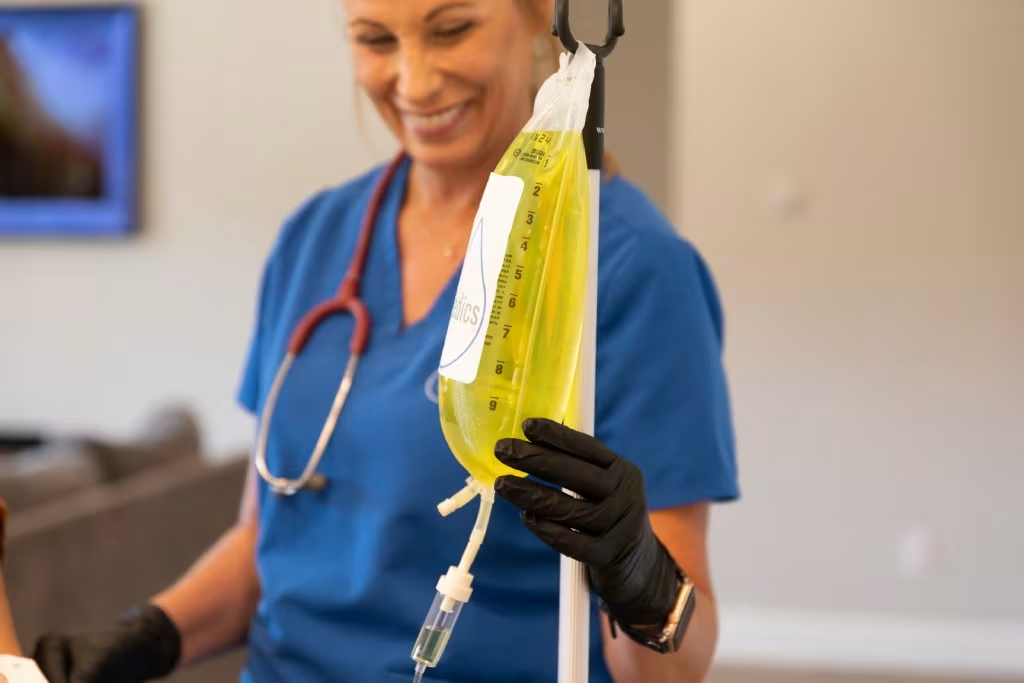
Healthy Habits That Support Winter Wellness
An immune support IV package may help address a specific hydration or nutritional need, but your everyday habits remain the foundation of winter wellness. Supporting your body throughout cold and flu season starts with consistent routines that help maintain hydration, nutrition, recovery, and normal immune function.
To stay well during winter:
- Stay up to date with recommended vaccinations to help reduce the risk of influenza and its complications.
- Prioritize quality sleep, since adequate rest supports normal immune function and recovery.
- Maintain good hydration, even when cooler weather makes you less likely to feel thirsty.
- Eat a balanced diet with adequate protein, vitamins, and minerals to support your nutritional needs.
- Practice good hand hygiene and improve ventilation in shared indoor spaces to reduce exposure to respiratory viruses.
- Plan ahead during busy periods, as travel, holiday events, and demanding work schedules can disrupt meals, sleep, and fluid intake.
Conclusion: Choosing the right immune support IV package starts with understanding your current needs, not simply selecting the formula with the most ingredients. Preparing for winter, managing a mild cold, recovering from the flu, and rebuilding after illness each involve different hydration, nutrition, and recovery priorities. While an immune support IV package may complement healthy habits when a clear hydration or nutrient gap exists, it cannot replace vaccination, good nutrition, hydration, quality sleep, appropriate medical care, or treatment for severe symptoms.