
Most people think of dehydration as thirst, a dry mouth, or a headache that clears up after a glass of water. But when the body loses too much fluid without replacing it, something far more serious can happen. Severe dehydration can send a person to the emergency room with kidney failure, dangerously low blood pressure, or seizures — not because they were ill, but simply because they didn’t drink enough. Understanding which organs are affected by dehydration, and how quickly the damage can unfold, is the first step toward preventing it.
Key Takeaways
- The brain, kidneys, heart, liver, muscles, digestive system, and skin can all be damaged by severe dehydration.
- Dehydrated kidneys can go from reversible stress to acute kidney injury if fluid loss isn’t corrected quickly.
- Confusion, seizures, no urine output, and fainting are emergencies — not symptoms to wait out at home.
- Drinking consistently every day is one of the simplest ways to protect your vital organs.
Dehydration happens when the body loses more fluid than it takes in. When that fluid loss is large enough to impair organ function, the dehydration effects on body systems are wide-reaching — from the brain to the kidneys to the heart. This article explains how that damage unfolds, organ by organ, and which warning signs to take seriously.
1. How Severe Dehydration Affects Your Whole Body
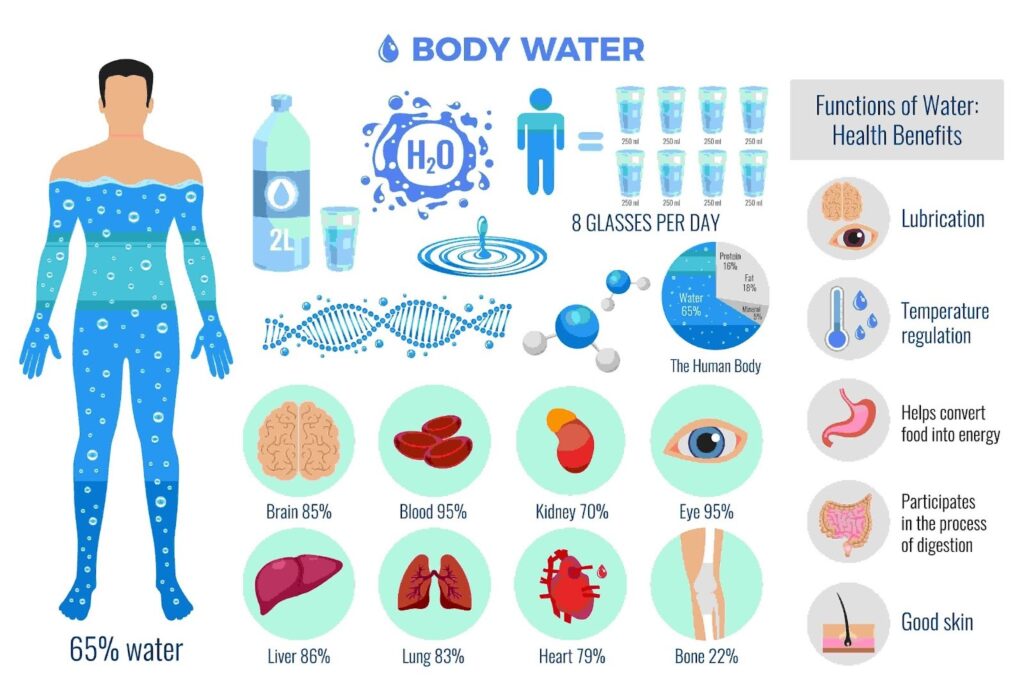
Water is the medium through which the entire body operates. It maintains blood volume, regulates temperature, delivers nutrients to cells, and carries waste away. When fluid levels drop sharply, that whole system breaks down.
As the body loses fluid — through sweating, vomiting, diarrhea, or not drinking enough — the liquid portion of the blood begins to shrink. Less blood volume means less blood returning to the heart with each beat, which reduces how much the heart can pump out. The body tries to compensate by beating faster and tightening blood vessels to maintain pressure. This state is called hypovolemia. When fluid loss is severe enough, those compensatory mechanisms fail. Blood pressure drops, and organs stop getting enough oxygen and nutrients. This is hypovolemic shock — a life-threatening emergency that can cause irreversible organ damage without rapid treatment.
At the same time, dehydration throws off electrolytes: sodium, potassium, and magnesium. Sodium imbalances can trigger confusion and seizures. Potassium disturbances can cause muscle weakness and dangerous heart arrhythmias. This combination — reduced blood flow plus electrolyte disruption — is why the complications of dehydration can reach every organ in the body. The sections below go through each one, starting with the organ that registers fluid loss the fastest.
2. Brain and Nervous System – Confusion, Seizures, and Coma
The brain depends on a precise balance of water, sodium, and blood flow to function — and it registers the effects of not drinking enough water faster than almost any other organ in the body.
| Research shows that a fluid deficit of just 1 to 2 percent of body weight — an amount most people wouldn’t notice as thirst — can measurably impair attention, working memory, and reaction time while increasing fatigue and headaches. For a 160-pound adult, that’s roughly 1.5 to 3 pounds of fluid. Severe dehydration amplifies these effects dramatically, but meaningful cognitive impact begins well before crisis. |
In severe dehydration, sodium becomes concentrated in the blood. That elevated sodium pulls water out of brain cells, causing them to shrink. The result is a predictable cascade: early irritability and difficulty concentrating, followed by confusion and lethargy, and in serious cases, seizures and coma. At the same time, reduced blood volume lowers blood flow to the brain, causing dizziness and light-headedness — especially when standing. In shock, prolonged low blood flow can contribute to permanent neurological injury.
Repeated severe episodes of dehydration appear to compound brain stress over time, particularly in older adults or those with existing circulatory problems. Even chronic under-hydration — short of a crisis — can worsen headaches, fatigue, and cognitive performance. You can read more about how dehydration symptoms progress before they reach this stage, and why catching them early matters. New or worsening confusion, difficulty staying awake, seizures, or unresponsiveness are brain red flags that require emergency care — not home management.
3. Kidneys – From Dehydrated Kidneys to Kidney Failure
The kidneys filter blood, remove waste, regulate electrolytes, control blood pressure, and manage fluid levels. When dehydration hits, they are among the first organs under pressure — and among the most vulnerable to lasting harm.
| The kidneys filter roughly 150 to 180 liters of fluid every single day. That work depends entirely on adequate blood volume and pressure to drive filtration. When severe dehydration cuts blood flow to the kidneys, that filtration rate can crash rapidly — allowing toxins, acids, and waste to build up in the bloodstream quickly, as documented in StatPearls’ review of dehydration pathophysiology. |
What people call “dehydrated kidneys” refers to what happens when reduced blood volume cuts kidney perfusion and lowers their filtration rate. In response, the kidneys conserve fluid by concentrating urine and producing less of it. The most recognizable symptoms of dehydrated kidneys are dark urine, a significant drop in urine output, and sometimes a dull ache in the flank or lower back.
Dehydration and kidney function exist on a spectrum. Mild, brief dehydration typically causes reversible stress — the kidneys are working hard but haven’t been damaged. Prolonged or severe dehydration is different. It can cause acute kidney injury (AKI), where kidney cells are injured and filtration drops sharply. Many AKI episodes resolve fully with prompt fluid restoration, but repeated or prolonged episodes carry a different prognosis.
Can dehydration cause kidney failure? In severe AKI, it can.
Can dehydration cause kidney damage more broadly? Yes — particularly when it is severe or recurrent. Repeated kidney stress promotes scarring and fibrosis over time, raising the risk of chronic kidney disease, a pattern explored in depth in a Nature Scientific Reports study on recurrent dehydration and renal injury.
People with chronic kidney disease, those taking NSAIDs, diuretics, or ACE inhibitors, and older adults all carry higher risk. These medications amplify kidney vulnerability when fluid levels drop, which is why individualized hydration guidance from a physician matters for these patients. The long-term effects of chronic dehydration on kidney health are significant enough to warrant attention well before a crisis develops.
4. Heart and Circulation – Cardiac Effects and Poor Blood Flow
The heart’s ability to pump effectively depends on having enough blood to work with. When dehydration reduces circulating volume, the cardiovascular system comes under immediate stress — and for older adults and those with existing heart conditions, what are the cardiac effects of dehydration is a clinically important question.
The cardiac effects of dehydration follow a clear pattern as fluid loss worsens:
- Mild to moderate: faster heart rate, palpitations, and dizziness when standing
- More severe: falling blood pressure, chest discomfort, and near-fainting
- Extreme: hypovolemic shock — very low blood pressure, weak rapid pulse, and risk of cardiac arrest
Alongside reduced blood volume, electrolyte disturbances compound the risk. Low potassium or magnesium can disrupt the electrical signals that control heart rhythm, creating conditions for dangerous arrhythmias — especially in people already taking heart medications or diuretics.
Dehydration can also cause poor circulation through a related mechanism. As the body diverts blood toward the heart and brain to protect them, the hands, feet, and skin receive far less. The result is cool, pale, or clammy extremities — a visible sign that peripheral blood flow has been significantly reduced. This cardiovascular strain becomes especially dangerous in heat, where dehydration and physical exertion combine to push the heart harder than it can sustain, a dynamic covered in detail in our guide on dehydration and heat exhaustion.
5. Liver – Elevated Liver Enzymes and Organ Stress
The liver detoxifies the blood, metabolizes medications and hormones, produces bile, and stores energy. Like every other organ, it depends on steady blood flow — and the relationship between dehydration and liver health becomes most significant when that flow is seriously disrupted.
During severe hypovolemia and shock, blood flow to the liver drops sharply. Liver cells experience ischemic stress — a lack of oxygen that injures them — causing liver enzymes (ALT and AST) to leak into the bloodstream.
Can dehydration cause elevated liver enzymes? Yes, but primarily in the context of severe dehydration and circulatory failure, not mild under-hydration in an otherwise healthy person. The MSD Manuals note that prolonged severe dehydration can cause damage to internal organs including the liver, reinforcing that this is a real clinical concern — not a theoretical one.
Can dehydration cause liver damage? In sustained low-perfusion states, yes. In people with pre-existing liver disease, the risks are higher still — even moderate dehydration can worsen function and accelerate symptoms. For patients with cirrhosis, dehydration can tip an already-stressed liver toward hepatic encephalopathy and trigger renal dysfunction through a mechanism called hepatorenal syndrome. Liver dehydration symptoms may include fatigue, general malaise, and right-upper abdominal discomfort. Abnormal enzyme results are typically discovered during hospitalization for severe dehydration rather than as standalone findings.
6. Muscles – Cramps, Weakness, and Rhabdomyolysis
Muscles respond quickly to changes in hydration and electrolyte balance. The effects of not drinking enough water appear in the musculoskeletal system early — and in extreme cases, they can trigger a chain reaction that circles back to damage the kidneys.
Normal muscle contraction requires balanced sodium, potassium, calcium, and magnesium. Dehydration disrupts all of these, triggering cramps, spasms, and weakness. Reduced blood flow makes things worse during physical activity by delivering less oxygen and causing earlier fatigue.
In extreme cases — intense exertion combined with heat and severe dehydration — a condition called rhabdomyolysis can develop. Muscle cells break down and release a protein called myoglobin into the bloodstream. Myoglobin is toxic to the kidneys: it can clog the tubules that filter blood, triggering acute kidney injury, as the National Kidney Foundation warns. This muscle-to-kidney pathway is a recognized risk in distance athletes, outdoor workers, and military personnel. A runner who pushes through severe dehydration and develops dark urine and back pain may not be experiencing simple soreness — they may be in the early stages of kidney stress from myoglobin exposure. Cola-colored urine after hard exertion in heat warrants prompt medical evaluation. Athletes should also understand how water loading and weight cutting affect the body — fluid manipulation in either direction carries real physiological consequences.

7. Digestive System – Constipation, Nausea, and Gut Ischemia
The digestive system is often where dehydration first shows up in daily life — and there’s a vicious cycle at work here that makes this particular organ system especially tricky.
When fluid intake is low, the colon draws more water out of stool before it’s eliminated, producing hard, dry stools and constipation. Reduced blood flow to the GI tract contributes to nausea, appetite loss, and slower digestion. Bloating and abdominal discomfort often follow.
Vomiting and diarrhea are major causes of dehydration — and they simultaneously make it harder to keep fluids down, accelerating fluid loss in a cycle that’s difficult to break. This loop drives a significant share of dehydration-related hospitalizations, especially in infants, young children, and frail older adults. Knowing how to rehydrate after diarrhea or vomiting can interrupt that cycle before it escalates. At the extreme end, profound low blood volume can cause intestinal ischemia — where blood flow to the gut falls so low that tissue begins to die. This is a surgical emergency marked by severe abdominal pain and shock. It begins, though, with the same ordinary constipation and nausea that most people dismiss.
8. Skin and Mucous Membranes
Skin and mucous membranes are the body’s most visible hydration indicators — and they can tell you a great deal about what’s happening internally before more serious dehydration effects on body systems set in.
As the body reduces blood flow to non-essential areas to protect vital organs, visible and tactile changes appear:
- Dry mouth and cracked lips as saliva production drops
- Skin that “tents” when pinched and returns slowly to normal — a sign of reduced elasticity
- Sunken eyes and dry, sticky membranes inside the mouth and cheeks
- Cool, pale, or clammy hands and feet from peripheral vasoconstriction
In shock, the skin can become mottled or take on a gray, cyanotic color — a grave sign of critically poor tissue oxygenation. These external signs are particularly useful for parents checking young children and caregivers monitoring older adults, who may not reliably report thirst or early symptoms. If you’re unsure what to watch for, our overview of dehydration symptoms covers the full progression from mild to severe. Treat these skin and mucous membrane changes as prompts to act, not cosmetic inconveniences.
9. When Dehydration Becomes an Emergency?
Most cases of dehydration respond well to rest, fluids, and time — but some don’t, and the difference matters. Knowing when organ stress has crossed into emergency territory can determine whether damage is reversed or becomes permanent.
The most serious complications of dehydration — hypovolemic shock, acute kidney failure, seizures, and multiorgan failure — are all preventable with timely care. The signs below reflect dehydration that has reached a critical level and requires emergency evaluation, not home management.
- Brain and nervous system: New confusion, difficulty staying awake, seizures, or unresponsiveness.
- Heart and circulation: Severe dizziness or fainting, chest pain or shortness of breath, very low blood pressure, a weak and rapid pulse, or cold and clammy skin.
- Kidneys: No urine output for many hours, tea-colored or very dark urine, or severe flank or back pain.
- Digestive system: Persistent vomiting or diarrhea, especially when the person cannot keep any fluids down at all.
Any of these signs in an infant, frail older adult, or someone with pre-existing heart, kidney, or liver disease warrant emergency evaluation without delay. The critical point is that what happens when you are dehydrated severely enough to trigger these signs can often be fully reversed with prompt treatment — typically IV fluids and electrolyte correction. Time is the variable that separates reversible organ stress from permanent damage.
10. Protecting Your Organs with Smart Hydration
Prevention is simpler than recovery, and most of what it takes comes down to consistency. Consistent, proactive hydration prevents the cascade before it starts — and the benefits of staying hydrated reach every organ system covered in this article.
Most adults need between 2.7 and 3.7 liters of total fluid per day from all sources, but individual needs vary based on body size, activity level, climate, and health conditions. The most practical self-monitoring tool is urine color. Pale straw-colored urine reflects good hydration. Dark amber means drink more. Pairing that with awareness of early symptoms — dry mouth, mild headache, slight fatigue — gives you a reliable early-warning system before the organs affected by dehydration start to show real strain.
| Most people think of dehydration as an acute event. But emerging research tells a more gradual story. A study published by News-Medical links chronic low fluid intake and persistently elevated serum sodium — even within the “normal” range — to higher long-term risk of heart disease, kidney dysfunction, and metabolic disease. The same analysis found that a substantial share of adults carry chronically concentrated urine as their daily baseline, a quiet sign that their organs are routinely under more stress than necessary. |
For people in higher-risk groups, more deliberate strategies apply:
- Older adults should drink on a schedule rather than waiting for thirst, since the natural thirst response diminishes with age.
- Athletes and outdoor workers should replace both fluid and electrolytes during sustained exertion — not water alone.
- People with kidney, heart, or liver disease should establish a safe daily fluid target with their physician, since both dehydration and fluid overload carry risks in these populations.
- People on diuretics, ACE inhibitors, ARBs, or NSAIDs face amplified organ risk when fluid levels drop and need individualized guidance.
Keeping water accessible, eating fluid-rich foods like soups, cucumbers, and watermelon, and increasing intake at the first sign of illness or heat exposure are simple habits that add up over time. If drinking water alone feels difficult to maintain, there are also practical ways to stay hydrated without drinking water that can help round out your daily intake. When severe dehydration does occur and rapid recovery is the priority, IV hydration therapy provides clinical-grade fluid and electrolyte restoration delivered directly to you by a qualified provider — a meaningful option for anyone managing illness, athletic recovery, or heat-related dehydration.

Severe dehydration is not just a matter of being thirsty. It is a cascade that reaches the brain, kidneys, heart, liver, muscles, gut, and skin — progressing from early warning signs to irreversible damage if left untreated. Knowing which organs are affected by dehydration, and recognizing the signals each one sends when under stress, is one of the most useful health skills you can have. Drink consistently, watch for the red flags, and don’t wait to seek care when something feels wrong.