You step outside for what feels like 5 minutes — to walk the dog, finish up the yard, grab something from the car — and by the time you’re back inside, you’re already dizzy, a headache is building, and you can’t figure out why you feel so wrecked from so little. That’s not weakness. That’s surviving Texas heat doing exactly what it does to everyone.
Key Takeaways
- Texas heat season runs April–October; cumulative exposure, not one bad afternoon, causes most heat-related illness.
- Electrolytes matter as much as water when sweating is heavy.
- Outdoor activity is safest before 10am or after 4pm.
- Confusion, hot dry skin, and no sweating signal heat stroke — call 911.
Texas summers are long, relentless, and genuinely dangerous. Temperatures push into triple digits, heat waves arrive early, and the combination of heat and humidity wears the body down faster than most people expect. This guide covers the hydration habits, daily planning strategies, and safety awareness every Texan needs to know about how to survive extreme heat — from April straight through October.
1. Texas Heat Is More Dangerous Than You Think
Most people think of heat as an inconvenience. The reality is more serious. Texas extreme heat puts the body under sustained physical stress across a season that lasts 6 months or more — and the damage is cumulative, not dramatic.
The body cools itself through sweat. As sweat evaporates off the skin, it pulls heat away from the body. But when both temperature and humidity are high at the same time — which is the norm across most of Texas in summer — sweat can’t evaporate efficiently. The body’s cooling system slows down, and core temperature climbs faster than most people realize.
Texas heat waves push that process toward a breaking point. Heat exhaustion arrives first, signaling that the body is still fighting but losing ground:
- Heavy sweating
- Dizziness and nausea
- Muscle cramps
Left unaddressed, heat exhaustion can progress to heat stroke within minutes. At that stage, body temperature can spike to 105°F or higher, sweating stops entirely, and confusion, unconsciousness, and organ failure become real risks. Heat stroke is a medical emergency — knowing the difference between these 2 conditions can determine the outcome.
| Extreme heat causes more weather-related deaths in the United States each year than hurricanes, floods, and tornadoes combined. It doesn’t look like a disaster — which is exactly why Texans underestimate it. The threat is real, it’s annual, and it’s preventable. |
The good news is that most heat-related illness is preventable. The body sends clear signals before things escalate, and the most controllable protection available to every Texan is hydration.
2. Smart Hydration Strategies for Texas Summers
Staying safe in hot weather in Texas isn’t about drinking more when you feel thirsty — it’s about getting ahead of dehydration before it starts. That requires knowing what to drink, how much, and when to adjust based on who you’re with and what you’re doing.
How Much and What To Drink in Extreme Heat?
Learning how to survive extreme heat starts with understanding what the body loses when it sweats. During Texas summer heat, fluid needs rise sharply — especially for anyone working, exercising, or spending long hours outside. A useful baseline: aim for about 1 gallon of water per day when temperatures are high, and don’t wait for thirst to kick in before drinking.
| Surveys consistently show that most U.S. adults drink far less fluid than recommended each day. On a hot Texas day, that means many people begin outdoor activity already mildly dehydrated — and it takes far less sun exposure to tip them into heat exhaustion than they expect. |
Plain water is enough for most situations. But when sweating is heavy or prolonged, electrolytes matter just as much as fluid volume. Sweat pulls sodium and potassium out of the body, not just water — and replacing fluid without those minerals can leave a person feeling weak and dizzy even after drinking plenty. For physical work or long hours in direct sun, adding an electrolyte drink makes a real difference. Alcohol and sugary drinks work against you in the heat, since both accelerate fluid loss.
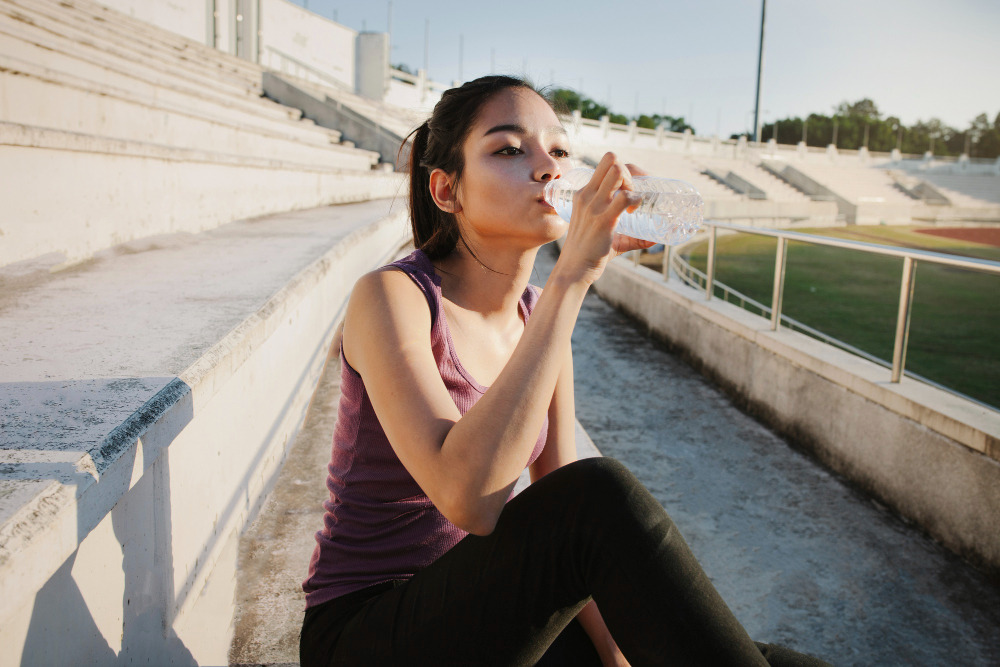
2 simple habits make the biggest difference: pre-hydrate before going outside, and use urine color as a quick check. Pale yellow means well-hydrated. Dark yellow means more fluids are needed. Children, older adults, and people with chronic conditions dehydrate faster and often show subtler early symptoms — fluid checks need to happen more often for these groups.
Heat-Safe Habits for Families, Workers, and Outdoor Lovers
Families with young children should schedule outdoor time before 10am or after 4pm, when temperatures are lower and UV exposure drops. Offer fluids every 15–20 minutes — not just when kids ask. Pre-cooling the car before buckling children in is worth doing every time. Leaving a child in a parked vehicle, even briefly, carries serious risk: in 2022, 8 children in Texas died due to vehicular heatstroke, and temperatures inside a parked car can climb to dangerous levels within minutes.
Outdoor workers and athletes need a more structured approach. A shade or rest break every 15–20 minutes, staying ahead of thirst, and using a buddy system to catch early warning signs in each other are the habits that prevent serious illness. During heat advisories, cutting back on workload intensity is the right decision — not something to push through.
For everyday Texans — yard work, walking the dog at midday, a full day at a festival — the same principle holds. Build hydration, shade, and rest into the routine before you feel like you need it. By the time thirst feels urgent, mild dehydration has already set in.
Staying Heat-Resilient All Season
Spending a full summer in Texas isn’t a single event — it’s a 6-month physical challenge. Consistent daily hydration, balanced nutrition, and enough sleep all support the systems that regulate body temperature across weeks of sustained heat. That steady maintenance is what separates people who manage the season well from those who keep getting knocked flat by it.
People with heart disease, high blood pressure, or diabetes face additional risk during Texas extreme heat because those conditions affect circulation and fluid balance. Checking in with a healthcare provider to adjust monitoring routines during heat waves is one of the most overlooked parts of seasonal health management.
Where IV Therapy Fits in a Texas Heat Strategy
For most days, consistent oral hydration is enough. But after a long outdoor event, an intense training session, travel, or a day where fluid intake genuinely fell short, the body may need more than a water bottle can deliver. IV hydration sends fluids and electrolytes directly into the bloodstream, bypassing the digestive system entirely. The result is faster, more complete replenishment than drinking alone can provide in the same amount of time.
Mobile IV Medics provides medically supervised IV therapy as a recovery and resilience tool — built to support Texans after demanding days, not to replace emergency care. Whether you’re recovering from a long afternoon in Austin, a festival weekend in Houston, or an intense training session in Dallas, a licensed clinician can come to you and help the body recover on your schedule. Heat stroke and severe dehydration still require emergency services first — IV therapy belongs in the broader wellness strategy that keeps the body prepared across a full Texas summer.
3. Planning Your Day Around the Texas Sun
Hydration is the foundation, but how you structure your day matters just as much. A heatwave in Texas doesn’t care how experienced you are — midday sun in July is hard on every body, and smart scheduling is one of the simplest tools available for staying ahead of the heat.
Choosing the Safest Times To Be Outside
The safest windows for outdoor activity are before 10am and after 4pm. In the hours between, the sun is at its peak, UV levels are highest, and the heat index — the combined effect of temperature and humidity — hits its most physically demanding point. As the National Weather Service has noted, heat index values during Texas heat waves can make already dangerous temperatures feel significantly worse on the body, particularly for those with little time to acclimatize. That number is what matters for planning, not the thermometer reading alone.
During Texas heat waves, local forecasters publish daily heat index values and heat advisories. Building outdoor plans around those numbers — rather than ignoring them — is one of the most reliable ways to stay cool in Texas heat across a full season.
Small Daily Adjustments That Add Up
Shade does more work than most people recognize. Moving outdoor activity under trees, canopies, or covered walkways — and stepping into shade for 10–15 minutes during sustained outdoor time — takes meaningful pressure off the body’s cooling system. A short break every 15–20 minutes during yard work, sports, or a long festival day is how people stay functional all day rather than crashing early.
Lightweight, loose-fitting, and light-colored clothing reduces heat absorption and helps sweat evaporate more efficiently. After time outside, a cool shower, a lighter meal, and consistent rehydration bring the body back into balance before the next day’s Texas summer heat starts again.
Part of how to survive Texas heat is also watching out for the people around you. Older neighbors, young children, and anyone managing a chronic condition are more vulnerable to heat illness and often don’t notice their own early symptoms. A quick check-in during a sustained heat event costs almost nothing and can matter a great deal.
4. When To Step Out of the Heat and Call a Professional?
Heat discomfort is common. But there’s a clear line between discomfort that responds to rest and fluids and symptoms that signal something more serious is happening — and knowing where that line is makes all the difference.

Nausea, dizziness, muscle cramps, a pounding headache, or sudden heavy fatigue are early signals that need an immediate response — not patience. Get out of the heat, find a cool space, and start rehydrating. To overcome heat exhaustion at this stage, cool surroundings and steady fluid intake are usually enough — but acting quickly is what makes that true.
The symptoms that need emergency care look different, and they escalate fast:
- Confusion or disorientation
- Fainting or loss of consciousness
- Hot, dry skin with no sweating
- Chest pain
- Symptoms that don’t improve after rest and fluids
These are signs of heat stroke. Call 911 immediately and start cooling the person while waiting for help to arrive — cool cloths on the skin, shade or air conditioning, and nothing by mouth if they are not fully conscious. IV therapy is a wellness and recovery tool. It is not what a heat stroke situation calls for.
Surviving Texas heat across a long summer takes more than willpower. It takes smarter daily habits, consistent hydration, and the awareness to act before symptoms escalate. For days when the body needs faster, more complete recovery than rest alone can provide, Mobile IV Medics offers medically supervised IV therapy across Texas to help you bounce back and stay ahead of the heat.