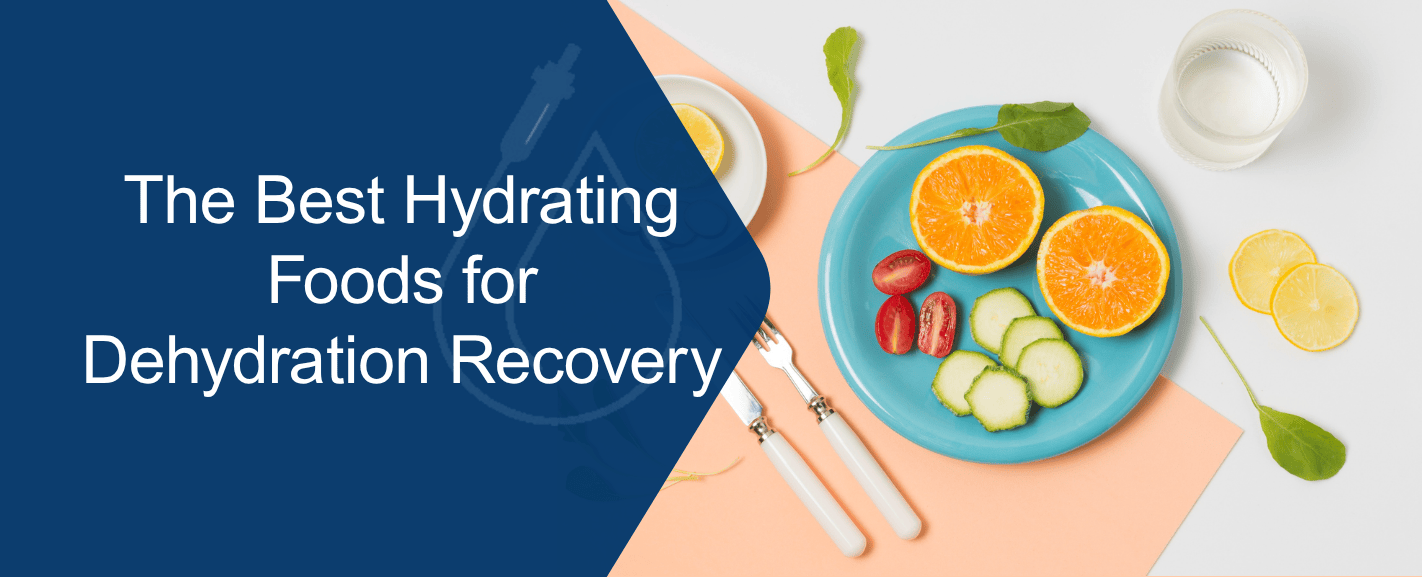
Feeling parched, sluggish, or headachy even after downing a glass of water? You’re not alone. Many people find that water on its own isn’t enough, which is why knowing the best foods for dehydration can change how quickly you bounce back.
Key Takeaways
- Food delivers about 20% of your daily fluids, making it one of the most overlooked hydration tools.
- The best foods for dehydration combine high water content with natural electrolytes for faster absorption.
- Pair water-rich foods with sodium and potassium to hold onto fluids longer than water alone.
- Avoid alcohol, salty snacks, and sugary drinks when you’re already running low.
This guide covers what to eat when dehydrated, from water-rich fruits and vegetables to electrolyte-packed soups and dairy. You’ll learn which hydrating foods work best, which ones to skip, and how to build a simple plan that helps you rehydrate faster and feel better sooner.
1. The Best Foods to Eat When You’re Dehydrated
The foods that rehydrate you best share a quiet pattern. They’re built mostly of water, ideally 85% or more by weight, and they come packaged with electrolytes or natural sugars that help your body actually hang onto that water. Harvard Health research shows food contributes around 20% of your daily fluid intake, which means steady absorption from a plate spares you the bathroom sprint that follows chugging a water bottle. Whether you’re nauseous, exhausted, or just off, there’s something below you can stomach.
Water-Rich Fruits That Rehydrate Fast
Fruits are nature’s rehydration packets. The best fruits for hydration share one thing in common, which is high water content paired with potassium and natural sugars. Watermelon leads the pack at 92% water and delivers about 170 mg of potassium and 15 mg of magnesium per cup, making it one of the closest things to a natural sports drink.
Other strong picks include:
- Strawberries (91% water) for Vitamin C and folate
- Cantaloupe (90%) for potassium and Vitamin A
- Peaches (89%) for B vitamins and potassium
- Oranges (88%) for Vitamin C and a balanced electrolyte mix
- Pineapple for bromelain, a natural enzyme with anti-inflammatory properties
Citrus fruits pull double duty as a Vitamin C boost when you’re recovering from illness. If chewing feels like too much work when you’re nauseous, frozen fruit blended into a smoothie goes down much easier while delivering the same hydration.
Vegetables With the Highest Water Content
Cucumber tops the list at nearly 97% water and quietly delivers potassium, magnesium, and calcium. Celery runs a close second at 95%, offering both potassium and magnesium in one crunchy package. Tomatoes, lettuce, zucchini, bell peppers, and radishes all sit in the 92–96% range, making them some of the most reliable foods high in water content you can keep in your fridge.
A simple cucumber and tomato salad with a pinch of sea salt is basically a rehydration bowl in disguise. Cooked vegetables count too. Steamed zucchini and sautéed spinach keep most of their water, and light steaming preserves more minerals than boiling does.
| Watermelon gets the hydration spotlight, but cucumber actually wins. At 96.7% water, cucumber is the highest water-content food in the grocery store, delivering more fluid per bite than watermelon while adding potassium and magnesium. |
Soups, Broths, and Liquid-Based Meals
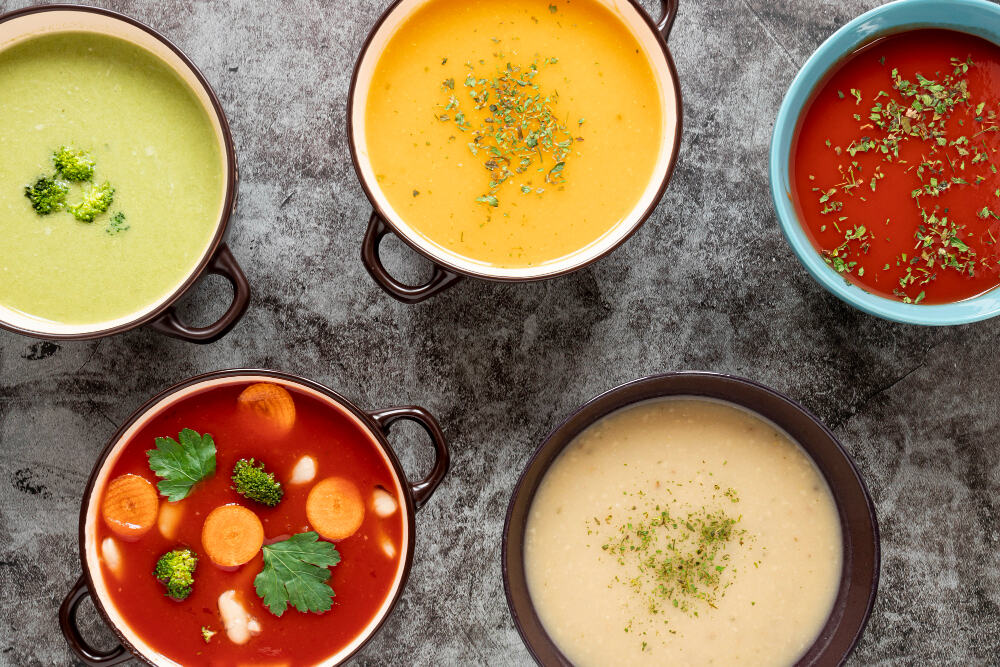
Bone broth and chicken broth are hydration powerhouses because they combine water, sodium, and protein in a single bowl. Sodium is the key electrolyte that tells your kidneys to hold onto fluid instead of flushing it right back out, which is part of why generations of grandmothers have been right about chicken soup.
Miso soup adds gut-supporting probiotics, while gazpacho and vegetable soups let you eat your water with a spoon. When nausea makes drinking feel overwhelming, soup is often the single best option you have.
One caution. Many canned soups pack 800–1,200 mg of sodium per serving, which can actually worsen thirst. Choose low-sodium or homemade versions when possible.
Dairy and Dairy Alternatives
Plain yogurt, kefir, and milk are surprisingly effective foods that hydrate you. A British Journal of Nutrition study found that people retained nearly twice as much fluid from low-fat milk as from water after exercise, with urine output dropping from 1,184 ml on water to just 611 ml on milk. Milk works because it’s roughly isotonic and contains protein, carbs, sodium, and potassium, which together slow how fast your kidneys flush fluid out.
Yogurt and kefir add probiotics, which are especially helpful after a stomach bug has thrown off your gut. For lactose-sensitive readers, coconut yogurt and oat milk are solid alternatives.
One important note. Skip dairy if your dehydration comes from vomiting or diarrhea, since milk can sometimes make stomach symptoms worse.
Hydrating Snacks and Easy Grab-and-Go Options
The simplest trick for steady hydration is keeping smart snacks for dehydration within arm’s reach. Good options include frozen grapes, watermelon cubes, cucumber slices with hummus, yogurt parfaits, and smoothie popsicles.
The “dehydration snack drawer” idea is straightforward. Keep pre-cut fruit and vegetables visible in the fridge so you reach for them before the chips. For travel, whole oranges, baby carrots, and cherry tomatoes hold up well in a desk, gym bag, or car.
2. Why Electrolyte-Rich Foods Matter More Than Plain Water
Here’s the twist most hydration advice misses. Water on its own is actually a pretty mediocre rehydrator, and understanding what causes dehydration in the first place explains why. Without electrolytes riding along, a lot of what you drink passes right through you instead of reaching the cells that need it. Sodium, potassium, magnesium, and chloride are the minerals that change that equation, each one steering fluid where it belongs and keeping your nerves and muscles firing properly.
Electrolyte-rich foods cover all 4 easily:
- Potassium, bananas, oranges, potatoes
- Magnesium, leafy greens, pumpkin seeds, avocados
- Sodium, olives, pickles, a pinch of sea salt
- All four together, coconut water
Heavy sweating, diarrhea, vomiting, and alcohol all drain these minerals faster than water does, which is exactly when food becomes critical. NIH research notes that about 40% of people with low potassium also have low magnesium, so simply eating a banana isn’t always the full fix.
| Yes, you can be dehydrated even while drinking plenty of water. Flooding your body with plain water dilutes sodium levels and can trigger a condition called hyponatremia. Rehydration requires fluid and electrolytes together, which is why food plays such a critical role. |
3. Foods to Avoid When You’re Dehydrated
Just as important as knowing the foods to eat when dehydrated is knowing the foods to avoid when dehydrated, because some of the things people reach for to feel better are quietly working against them. Alcohol is the clearest offender since it suppresses vasopressin, the hormone that tells your kidneys to conserve water. A classic JAMA study found this inhibition alone is enough to drive the entire diuretic effect. That’s why “hair of the dog” is the worst recovery strategy ever invented. Another drink just keeps the fluid loss going.
Large amounts of caffeine (multiple energy drinks or 400 mg or more of coffee) can add to fluid loss, though a morning cup or 2 is generally fine for habitual drinkers. Heavily salted processed foods like chips, instant noodles, and fast food pull water out of your cells because your body has to produce more urine to flush the extra sodium.
Sugary sodas and full-strength juices are also counterproductive. High sugar levels actually pull water from your bloodstream into your intestines to dilute the sugar before it can be absorbed, slowing rehydration. High-protein meals without extra fluid add to the problem too, since breaking down protein creates urea that needs water to flush out.
Here’s a counterintuitive one. Ice-cold drinks can trigger nausea when you’re severely dehydrated. Room-temperature fluids are absorbed faster and tolerated better.

4. How to Rehydrate Fast With Food and Build a Hydration-Friendly Diet
Learning how to rehydrate fast is less about willpower and more about sequencing. The right foods in the right order over the next hour can pull you out of a slump faster than a water bottle ever will, and a handful of small daily habits builds a dehydration diet that keeps you from winding up there again.
The 60-Minute Rehydration Sequence
- Start with a small glass of water with a pinch of salt to kick-start fluid absorption.
- 15 minutes later, have a bowl of broth-based soup for a steady dose of sodium and water.
- After another 30 minutes, reach for a fruit plate with watermelon, orange slices, and cucumber.
- Once your stomach is stable after an hour, add yogurt or a dairy-based snack to extend the effect.
For everyday hydration, think “eat your water.” Swap 1 snack a day for cucumber slices or watermelon cubes, add a soup or salad to 1 meal, and keep cut fruit visible in the fridge. A sample day might look like yogurt with berries and oats for breakfast, broth-based soup with a cucumber-tomato salad for lunch, frozen grapes as a snack, and baked salmon with steamed zucchini and a tomato side for dinner.
Of course, the best choices depend on why you’re dehydrated in the first place. A hangover drains different minerals than a hot afternoon run, so matching your plate to the cause speeds recovery.
| Cause | Electrolytes Lost | Best Food Priorities |
| Heavy sweating or exercise | Sodium, potassium, magnesium | Broth, watermelon with salt, banana with yogurt |
| Vomiting | Potassium, chloride | Broth, bananas, yogurt when tolerated |
| Diarrhea | Sodium, potassium, bicarbonate | Oral rehydration solution, bananas, plain rice |
| Alcohol overconsumption | Sodium, potassium, magnesium | Broth, bananas, eggs, yogurt |
| Heat exposure or fever | Sodium, potassium | Watermelon, oranges, cucumber, coconut water |
That said, food and fluids aren’t always enough. Dizziness when standing, a racing heart, no urination for 8 or more hours, or confusion all point to dehydration your kitchen can’t fix. In those moments, professional hydration support exists precisely because the digestive system can’t keep up.
The best foods for dehydration are already sitting in most kitchens, waiting to be used. Remember 3 things. Eat water-rich foods, pair them with electrolytes, and skip the dehydrators. Even a single cup of watermelon or a bowl of broth starts helping within 15–30 minutes. For moments when symptoms escalate beyond what food can manage, Mobile IV Medics delivers clinician-administered hydration straight to your door in about an hour.
References: