By the time you feel thirsty, your body is already 1–2% down on its water reserves — and the kind of dehydration that follows a hard workout, a stomach bug, or a long flight can’t be reversed by chugging plain water alone. Volume without minerals can dilute the sodium you have left, slowing recovery instead of speeding it up. Picking the best electrolyte drink for dehydration starts with a simple realization: real rehydration is a mineral problem first and a fluid problem second.
Key Takeaways
- The best electrolyte drink for dehydration depends on the cause — illness, sweat, keto, and daily use each need different formulas.
- Sodium plus glucose triggers SGLT-1 absorption; plain water alone can’t activate it.
- When oral falls short, IV therapy delivers 100% bioavailability and faster recovery.
Drinks with electrolytes for adults span clinical-grade rehydration solutions, mainstream sports drinks, lighter daily-use powders, effervescent tablets, and natural sources like coconut water, bone broth, pickle juice, milk, and salted mineral water. Each delivers some mix of sodium, potassium, magnesium, calcium, and chloride — but the right electrolyte drinks for dehydration depend on whether you’re recovering from illness, replacing heavy sweat, supporting a keto diet, or just maintaining daily baseline hydration.
1. Oral Rehydration Solutions for Severe Illness
When people ask what the best drink for dehydration is during illness, the answer almost always points to oral rehydration solutions (ORS). They’re the gold standard whenever fluid loss is rapid and the gut is compromised — vomiting, diarrhea, fever, post-surgical recovery. A typical ORS delivers around 200–500 mg of sodium per 8–12 ounces at a sodium-to-potassium ratio of roughly 1.3:1 to 1.8:1, modeled on the World Health Organization’s clinical formula.
The sugar content stays intentionally low, around 6–9 grams per 12 ounces, so the solution stays close to isotonic. A higher concentration would pull water into the intestine and worsen osmotic diarrhea — the reason pediatricians steer parents away from sweet sports drinks for sick children. The small amount of glucose isn’t there for flavor either. It activates the SGLT-1 cotransporter in the small intestine, pulling sodium and water across the gut wall faster than passive osmosis can.
The WHO has noted that timely ORS use could prevent more than 500,000 child deaths from diarrheal disease each year — putting this category somewhere between a household staple and a piece of public health infrastructure.
| Sodium-glucose cotransport (SGLT-1) is the protein in your small intestine that pulls sodium and water across the gut wall — but it only activates when both sodium and a small amount of glucose are present together. That’s why clinical ORS contains the sugar it does: not for energy, but to switch on the absorption mechanism. Too little glucose, and the drink hydrates slowly through passive osmosis. Too much, and the solution becomes hypertonic, pulling water back into the gut and worsening dehydration. The 3–6% glucose sweet spot — found in ORS, hydration multipliers, and the homemade WHO recipe — is built around this single constraint. |
2. High-Sodium Electrolyte Powders for Heavy Sweat and Keto
Endurance athletes and ketogenic dieters share a problem: both lose more sodium than typical drinks can replace. For this group, the best drink for electrolytes during heavy training has to push sodium far past sports-drink levels. High-sodium powders deliver 800–1,400 mg of sodium per packet, paired with 100–400 mg of potassium and 50–60 mg of magnesium, with little to no sugar. The 3:1–5:1 sodium-to-potassium ratio is sodium-dominant by design, since sweat replacement is the priority.
The numbers map directly to physiology. Athletes lose 800–950 mg of sodium per liter of sweat on average, salty sweaters can exceed 2,300 mg/L, and at high exercise intensity total hourly sodium losses reach 1,500–1,600 mg. A standard sports drink doesn’t come close to replacing that.
The ketogenic problem runs in parallel. Low insulin tells the kidneys to excrete more sodium, dragging potassium and magnesium with it. The “keto flu” most beginners feel is essentially a mild electrolyte deficiency — and high-sodium powders address it directly.
One caveat worth flagging: these doses are inappropriate for hypertensive readers or anyone with reduced sodium tolerance without physician guidance. The same dose that’s perfect for an ultra-marathoner can spike blood pressure in a sedentary user.
3. Hydration Multipliers With Added B Vitamins
Among drinks high in electrolytes designed for everyday use, hydration multipliers occupy a popular middle ground — sitting between clinical ORS and full athletic powders, designed for travel days, mild post-illness recovery, and hangovers. A typical formula delivers around 400–500 mg of sodium and 300–400 mg of potassium per packet at a 1.3:1 ratio, plus 8–12 grams of sugar and a complex of B vitamins (B3, B5, B6, B12) and Vitamin C.
The 8–12 grams of sugar isn’t filler — it sits right in the 3–6% glucose concentration sweet spot that maximizes SGLT-1 cotransport without making the solution hypertonic. The B vitamins matter most after alcohol or illness, both of which deplete those exact nutrients.
Sweet flavor and travel-friendly single-serve packets explain why this category dominates the powdered hydration aisle. The downside mirrors the upside: the same sugar that helps absorption disqualifies these formulas for diabetics, keto dieters, and anyone managing blood glucose.
4. Traditional Sports Drinks for Short Workouts
Of every dehydration drink on a convenience-store shelf, the traditional sports drink is the one most people grew up with. The original formula was built for one job: deliver quick-burn carbohydrate fuel and replace sweat losses during workouts under 90 minutes. A 20-ounce serving carries 250–300 mg of sodium and 75–100 mg of potassium at a 3:1+ ratio, with 30–35 grams of sugar — roughly a 6% carbohydrate concentration designed to fuel exercise without slowing absorption.
Peer-reviewed research has actually found mainstream sports drinks equally effective as ORS for treating adults with viral digestive infections, which suggests fluid volume matters more than precise composition for moderate cases.
The disqualifier for everyone else is the sugar load. Thirty-plus grams per serving worsens osmotic diarrhea during stomach illness and spikes blood glucose for non-athletic users sipping it as a hydration drink. Zero-sugar variants preserve the electrolyte profile and are a reasonable option for non-athletes who want the format without the calories.
5. Effervescent Electrolyte Tablets for Daily Use
If you want the best drink for dehydration besides water during a casual workout or daily hydration routine, effervescent tablets are hard to beat. They occupy the lighter end of the electrolyte spectrum, designed for everyday hydration and casual workouts rather than acute deficit. A tablet dissolved in 12 ounces of water delivers around 300 mg of sodium, 150 mg of potassium, 25 mg of magnesium, and 15 mg of calcium at a 2:1 sodium-to-potassium ratio.
Sugar runs about 1 gram per tablet with roughly 10 calories total — appropriate for readers who want hydration without caloric load. The flavor profile is mild and non-sweet, which makes tablets easier to drink in volume than salt-forward powders that require taste adjustment. Tablets travel well in tubes, weigh less than ready-to-drink bottles, and cost less per serving than pre-mixed alternatives.
The trade-off: they fit sub-90-minute workouts and daily routine hydration, but they’re under-dosed for severe sweat replacement or full clinical-grade illness recovery.
6. Coconut Water as a Natural Potassium Source
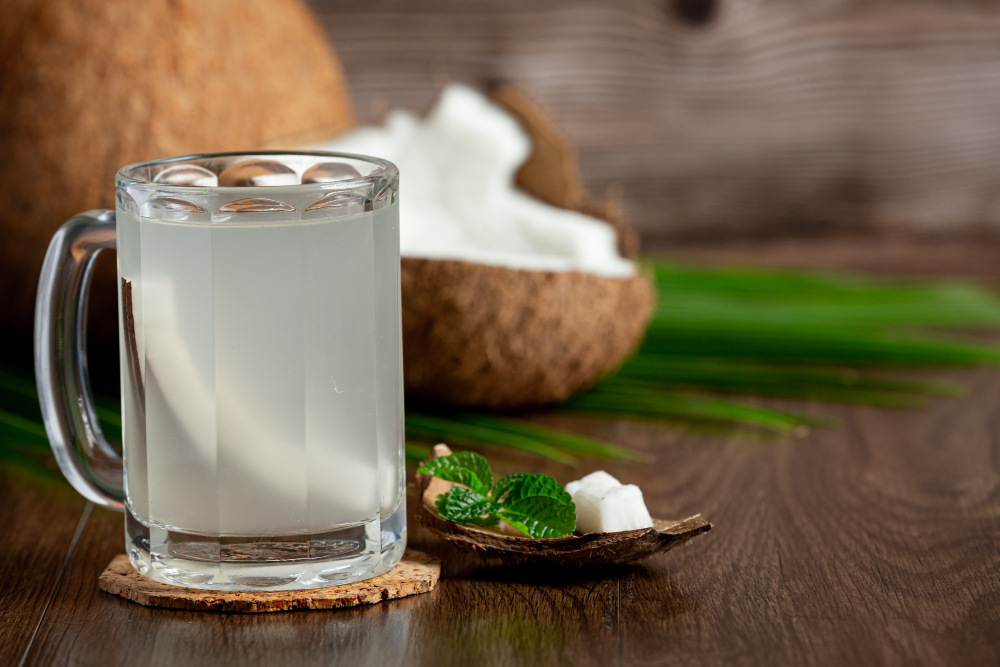
Among natural drinks to replenish electrolytes, coconut water is one of the few beverages with a meaningful profile right out of the shell. One cup provides approximately 600 mg of potassium — about 18–23% of the daily recommended intake — plus moderate magnesium and phosphorus.
The catch is sodium. Coconut water carries only around 30 mg per cup, far below what athletic or illness-related dehydration calls for. Adding a small pinch of sea salt per cup balances the profile and meaningfully improves rehydration effectiveness.
A 2012 study published in the Journal of the International Society of Sports Nutrition confirmed that coconut water hydrates comparably to commercial sports drinks during moderate exercise. Demand is reflecting that science: the natural-electrolyte segment built around coconut water is growing at a projected 13.8% CAGR, outpacing synthetic-beverage growth.
Best fit: clean-label preferences, light-to-moderate activity, and recovery snacking. It’s not adequate alone for acute heavy-sweat or severe-illness rehydration.
7. The Homemade WHO Oral Rehydration Recipe
The WHO oral rehydration recipe is the cheapest clinical-grade drink for dehydration on earth, and every household should know how to make it.
The formula is precise:
- ½ teaspoon of table salt (~1,000 mg sodium)
- 6 teaspoons of sugar (~24 g glucose)
- 1 liter of clean, boiled-and-cooled water
The six-teaspoon sugar measurement isn’t arbitrary. It lands at roughly 3% glucose concentration — the precise range that maximizes SGLT-1 cotransport without becoming hypertonic and worsening diarrhea. Cost runs under 10 cents per liter.
The WHO recommends this formulation specifically for infants and young children with diarrhea, elderly individuals with reduced thirst sensation, and athletes facing excessive sweating in hot environments. The University of Virginia Medical Center suggests adding half a cup of orange juice or some mashed banana for additional potassium when the situation calls for it. It’s the single most useful hydration recipe to memorize.
8. Bone Broth for Whole-Food Mineral Recovery
Bone broth offers something most electrolyte drinks can’t — a warm liquid format with a meaningful mineral load and amino acids that support gut repair. One cup of homemade bone broth typically provides 300–500 mg of sodium, while commercial varieties run higher at 600–1,000 mg. Long simmering also leaches calcium, magnesium, and phosphorus from bones into the broth.
The collagen-derived amino acids glycine and proline support gut lining repair, which matters after stomach illness or a course of antibiotics that disrupts the digestive tract. The warm format is also gentler on a compromised gut than cold sugary drinks, which makes bone broth a useful complement to ORS during the recovery phase of illness.
The trade-off is speed. Bone broth contains no glucose to activate SGLT-1, so absorption runs slower than ORS. It fits post-illness recovery, low-carb dieters who want whole-food sodium, and cold-weather athletes who want a warm hydration option.
9. Pickle Juice and Fermented Brines
Pickle juice has been a cult favorite among athletes for decades, and the science behind why it works is more interesting than the folklore suggests. A quarter-cup serving typically delivers 500–900 mg of sodium plus moderate potassium and trace minerals from the fermentation process.
What surprised researchers is that pickle juice relieves exercise-induced muscle cramps faster than the sodium can plausibly be absorbed. The current explanation: the acetic acid in vinegar appears to interrupt the nerve signaling that causes cramps through oropharyngeal reflexes — meaning the relief comes partly from the throat, not the bloodstream.
That makes pickle juice a useful acute cramp tool rather than a complete rehydration solution. Without glucose for SGLT-1 activation, it doesn’t drive fluid absorption the way ORS does, so it works best paired with water and a carbohydrate source. The high sodium load also makes it inappropriate for hypertensive readers or anyone managing sodium intake.
10. Milk-Based Recovery Drinks for Sustained Hydration
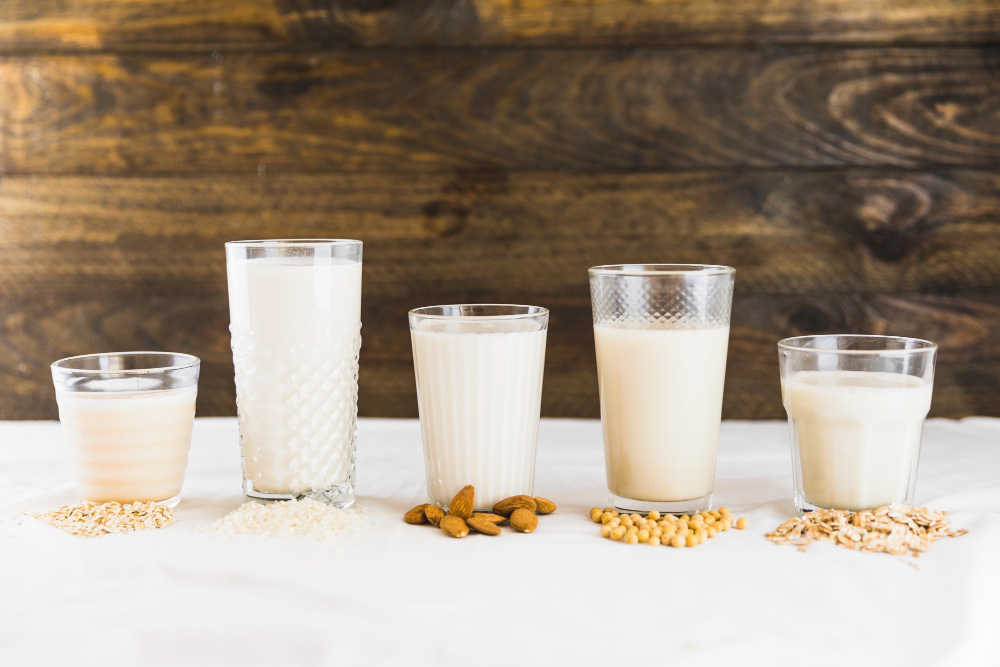
Milk is the dark horse of the electrolyte-drink world, and some research suggests it’s the best hydration drink for adults focused on sustained fluid retention. One cup provides 100–125 mg of sodium, 350–400 mg of potassium, 280–300 mg of calcium, and 25–30 mg of magnesium — plus high-quality protein and natural lactose.
Multiple peer-reviewed studies have found milk superior to both water and sports drinks for fluid retention 1–2 hours after exercise. The mechanism is counterintuitive. Protein and lactose slow gastric emptying, which extends the absorption window and ultimately keeps more fluid in the body for longer.
Chocolate milk has become a research-backed post-workout recovery option at the recreational-athlete level for the same reason, with the added benefit of protein for muscle repair. The disqualifiers are clear: milk isn’t appropriate for lactose-intolerant readers, those with dairy allergies, or anyone managing blood lipids on a strict regimen.
Best fit: post-workout recovery and everyday hydration for non-strenuous activity.
11. Mineral Water With Added Sea Salt
For daily baseline hydration, this might be the best drink with electrolytes you can make at home — and it requires only two ingredients and a measuring spoon. Naturally carbonated mineral water provides trace calcium, magnesium, and bicarbonate. Adding a small pinch — about an eighth of a teaspoon — of high-quality sea salt per liter brings sodium up to roughly 250–300 mg.
Without glucose, absorption happens through slower passive osmosis rather than SGLT-1 cotransport, which makes the formula fine for everyday baseline hydration but inadequate for acute deficit or heavy sweat. Sea salt and Himalayan pink salt also contain trace minerals (zinc, magnesium, iron) beyond pure sodium chloride, though the practical impact on hydration is small.
Zero calories and zero sugar make this a clean fit for keto, intermittent fasting, and daily routine hydration. It’s not the right tool for illness recovery, heavy sweat replacement, or post-workout recovery — but as a daily water alternative, it’s hard to beat on cost or simplicity.
Even the best electrolyte drink for dehydration has a ceiling. The gut absorbs only 600–1,000 ml of fluid per hour at best — too slow when dehydration is severe and symptoms are escalating. Persistent vomiting that prevents oral intake, dark amber or no urine output, rapid heart rate, confusion, fainting on standing, or heat exhaustion that doesn’t improve within 30–60 minutes of cooling and resting all signal that oral options have been outpaced.
IV hydration bypasses the digestive system entirely, delivering fluids and electrolytes directly into the bloodstream at 100% bioavailability and restoring hydration in 30–60 minutes instead of several hours. Mobile IV Medics brings clinician-administered IV hydration to your home, hotel, or office — exactly what you want when oral options aren’t moving the needle and an ER trip isn’t realistic.
References:
- Sweating Rate and Sweat Sodium Concentration in Athletes: A Review of Methodology and Intra/Interindividual Variability
- Comparison of coconut water and a carbohydrate-electrolyte sport drink on measures of hydration and physical performance in exercise-trained men
- Milk as an effective post-exercise rehydration drink