
Vitamins don’t create energy. Only carbohydrates, fats, and protein supply the fuel your body runs on. Vitamins are metabolic co-factors, meaning they help your body extract usable energy from food, but they can’t generate it on their own. The clinical evidence is consistent: supplements produce a real, measurable difference when they correct a confirmed deficiency, and essentially no difference when your levels are already normal. The question to ask isn’t which vitamin gives you energy. It’s which deficiency is quietly draining yours.
Introduction
This article covers the vitamins and minerals that research links most strongly to fatigue, drawing on studies from Harvard Medical School and the NIH, and published clinical trials. It also covers what the evidence says about popular energy supplements that don’t work the way their labels suggest. By the end, you’ll know what’s worth testing and what to skip.
Why don’t vitamins give you energy directly?
Most supplement marketing skips a fundamental fact: the only nutrients that supply actual energy to your body are carbohydrates, fats, and protein. Vitamins and minerals serve a different purpose. They act as co-enzymes that support the reactions pulling energy out of the food you eat. Without adequate levels, those reactions slow down. Taking more than your body needs, though, doesn’t speed them up.
Researchers call this the deficiency threshold effect. Supplements reliably improve energy when they correct a confirmed vitamin deficiency. For people with normal levels, those same supplements produce no measurable benefit. This holds true across iron, vitamin B12, vitamin D, and magnesium. Knowing your baseline through standard blood work is therefore the most efficient starting point, more practical than any general-purpose energy stack.
It’s also worth recognizing that chronic fatigue has non-nutritional drivers no vitamin can fix. Poor sleep, chronic stress, dehydration, thyroid dysfunction, and sedentary behavior are among the most common causes of persistent low energy. Supplements work best as part of a targeted corrective plan, not as a workaround for underlying lifestyle factors.
Key takeaways
- Vitamins don’t create energy, they help your body extract it from food. Supplements reliably help only when they correct a confirmed deficiency.
- Strongest evidence, when deficient: iron, vitamin B12, vitamin D, and magnesium. CoQ10 shows benefit even without a diagnosed deficiency, especially for adults over 40 and people on statins.
- A standard blood panel tells you which nutrient (if any) is actually low — more useful than any general-purpose energy stack.
- Generic B-complex, “proprietary” energy blends, guarana, and ginseng. Most of their perceived boost comes from caffeine.
- Most supplements need eight to twelve weeks of consistent use before meaningful effects appear.
What vitamins and supplements actually help with energy and fatigue?
The following nutrients have clinical support for improving fatigue in people with low or deficient levels. The evidence is strongest when deficiency is confirmed, though a few, particularly CoQ10, show benefit even in people without a diagnosed deficiency. Each has a distinct mechanism, so knowing which one applies to your situation matters.
1. Iron
Iron is required to produce hemoglobin, the protein in red blood cells that carries oxygen throughout your body. When iron is low, less oxygen reaches your cells, and the body can’t efficiently produce ATP, the molecule your cells use for energy. Fatigue is typically the first symptom that appears.
What makes iron particularly significant is that deficiency doesn’t need to reach full anemia to affect how you feel. A condition called iron deficiency without anemia has been documented as a meaningful source of fatigue in otherwise healthy people, particularly women, and a meta-analysis in the British Journal of Nutrition confirmed that targeted iron supplementation reduces fatigue specifically in this group.
Correction may take several weeks, and rebuilding iron stores can take longer. Testing ferritin and other iron markers before supplementing matters because too much iron can be harmful. Work with a qualified clinician instead of self-treating with high-dose iron. People with heavy periods, pregnancy, restricted diets, or gastrointestinal conditions may be more likely to develop iron deficiency.
2. Vitamin B12
Vitamin B12 deficiency leads to a condition where the body produces oversized red blood cells that can’t carry oxygen properly. The result is fatigue, weakness, and brain fog that can persist for months before the underlying cause is found.
According to Harvard Health, about 6% of adults over 60 have a confirmed B12 deficiency, and rates are higher among vegans and vegetarians since B12 occurs naturally only in animal products. People taking metformin for type 2 diabetes and those with inflammatory bowel disease are also at elevated risk because of how those conditions affect absorption.
B12 injections are often marketed as energy boosters, but evidence does not support routine injections for extra energy when B12 levels are already normal. They can be useful when a clinician identifies a deficiency or an absorption problem and recommends that route. The time needed to feel better depends on the cause and severity of the deficiency.
3. Vitamin D
Vitamin D deficiency is one of the most widespread nutritional shortfalls in the world, affecting an estimated 1 billion people. Low levels are associated with fatigue, muscle weakness, and low mood, all of which reduce your subjective energy regardless of what else you eat or supplement.
A 2025 cross-sectional study of 300 participants found that the deficient group scored significantly higher on a standard fatigue severity index than the sufficient group, with a strong inverse correlation between vitamin D levels and reported fatigue. The clearest benefit from supplementation comes when serum 25-hydroxyvitamin D falls below 20 ng per milliliter. The recommended dietary allowance is 600 IU per day for adults under 70 and 800 IU for those 71 and older. If you supplement, vitamin D3 absorbs more readily than D2. Fatty fish, egg yolks, and fortified dairy products are the most reliable food sources.
4. Magnesium
Magnesium is involved in more than 300 enzymatic reactions in the body, and its connection to energy is particularly direct. A 2024 study published in Science Advances confirmed that magnesium is indispensable for the enzyme that converts ADP back into ATP, the molecule your cells use for energy. Without adequate magnesium, that conversion can’t happen at the rate your body requires.
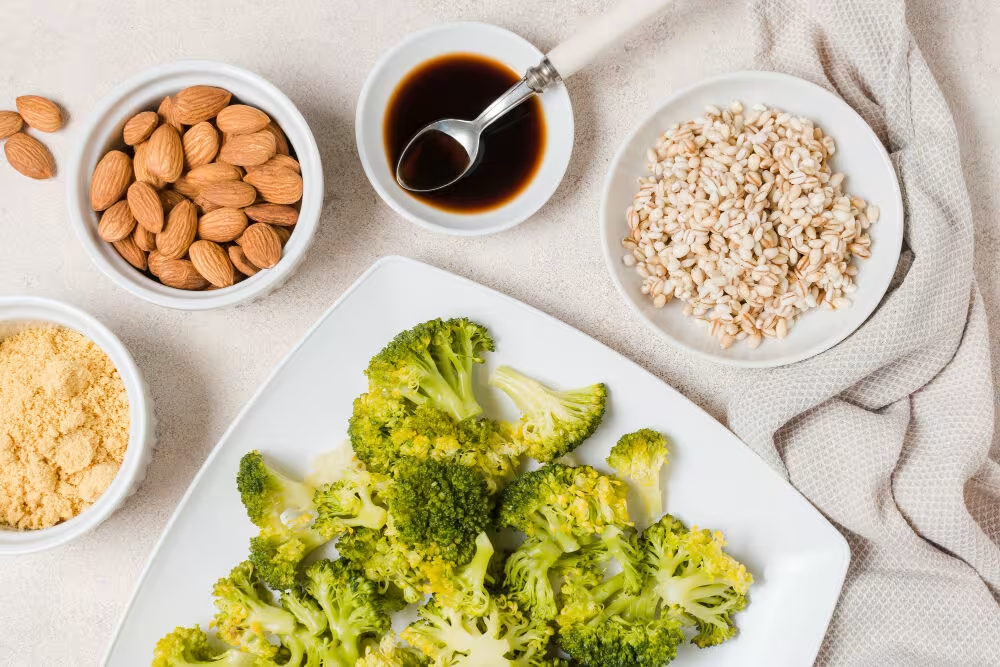
According to NIH research, about 48% of U.S. adults consume less magnesium than the recommended daily amount, making this one of the most underappreciated nutritional gaps in the country. Low magnesium also disrupts sleep quality by affecting GABA, a neurotransmitter that calms the nervous system, so its impact on energy runs through two distinct channels: direct cellular energy production and the quality of rest you get each night. Spinach, pumpkin seeds, almonds, and black beans are among the richest dietary sources. If you supplement, magnesium glycinate or malate are more bioavailable than the more common magnesium oxide form.
5. B vitamins
The eight B vitamins, from B1 through B9, serve as co-enzymes in the metabolic pathways that convert carbohydrates, fats, and protein into ATP. B1 is required for processing glucose; B2 carries electrons in the mitochondrial energy chain; B3 forms NADH, the primary electron carrier in energy production; and B5 is essential for the Krebs cycle, the set of reactions at the center of cellular metabolism. The group works together rather than independently.
Most adults eating a varied diet aren’t severely deficient in most B vitamins. The exceptions are people on restricted diets, elderly adults, heavy alcohol users, and those on medications that interfere with absorption. A 2022 rapid review of published meta-analyses found that multivitamin and mineral supplementation, including B vitamins, does reduce stress, mild psychiatric symptoms, and fatigue in healthy adults, suggesting a modest but real benefit even outside clinical deficiency ranges. Eggs, oats, leafy greens, lentils, and whole grains are consistently strong dietary sources.
6. Vitamin C
Vitamin C doesn’t directly produce ATP, but it contributes to energy through two mechanisms that matter in practice. First, it significantly enhances the absorption of non-heme iron, the form found in plant-based foods. For people with marginal iron status who rely on plant sources, Vitamin C intake can meaningfully affect how much iron the body actually puts to use. Second, Vitamin C is required for synthesizing carnitine, a compound that transports fatty acids into mitochondria so they can be burned for energy.
A 2020 narrative review by the NIH confirmed that Vitamin C deficiency contributes to fatigue through its links to anemia and impaired mitochondrial function. For people already getting adequate Vitamin C through diet, additional supplementation is unlikely to add a noticeable benefit. Citrus fruits, bell peppers, strawberries, and broccoli are consistently high sources.
7. CoQ10
CoQ10, a compound your cells use as an electron carrier in the mitochondrial energy chain, is technically not a vitamin. It belongs on this list because the evidence behind it is stronger than most classical energy nutrients in people without a diagnosed deficiency.
A 2022 systematic review and meta-analysis covering 13 randomized controlled trials with 1,126 participants found that CoQ10 supplementation significantly reduced fatigue scores compared to placebo, with a statistically significant effect size and results consistent across both healthy participants and people with chronic conditions. Higher doses and longer treatment durations were associated with greater fatigue reduction, with the strongest results at 200 to 300 mg per day over three or more months.
CoQ10 levels decline naturally with age starting around 40. Statin medications, widely prescribed for cholesterol, also deplete CoQ10 as a side effect because both are produced through the same metabolic pathway. For adults in either category, supplementation has a clear mechanistic rationale beyond general wellness promotion.
What energy vitamins and supplements don’t live up to the claims?
A significant portion of the energy supplement market is built on ingredients that lack clinical support at the doses provided or that only produce an effect through caffeine content. The products below are among the most commonly purchased in this category, and the research on each tells a more measured story than the label does.
1. Generic B-complex
B vitamins help extract energy from food, but they don’t create energy from nothing. For people eating a normal, varied diet with no documented deficiency, taking extra B vitamins passes through the body without producing any measurable increase in vitality. The energy boost attributed to many B-complex supplements typically traces back to caffeine in the same product, not the vitamin content.
The real exception is B12, which is genuinely deficient in specific populations and genuinely responsive to targeted supplementation. A generic blend doesn’t address that with the same precision as testing and correcting the specific nutrient. If persistent fatigue is your concern, a blood panel gives you more actionable information than a multivitamin for energy.
2. Proprietary energy blends
Many commercial energy capsules and powders use a formulation approach where numerous trending ingredients appear at doses far below what clinical trials used to observe an effect. The label looks comprehensive. The actual doses make any independent vitamin contribution implausible. Whatever energy effect the product produces comes from caffeine.
Dietary supplements are associated with an estimated 23,000 emergency department visits each year in the United States. Weight-loss and energy products are prominent contributors to palpitations, chest pain, and rapid heart rate among younger adults. The FDA does not approve dietary supplements for safety and effectiveness before they are sold, so transparent labeling and third-party testing matter.
3. Guarana
Guarana seeds contain roughly two to three times more caffeine per gram than coffee beans. Any energy benefit from a product containing guarana comes from its stimulant effect, not from any unique nutritional mechanism. That means the full range of risks associated with excessive caffeine applies: anxiety, elevated heart rate, disrupted sleep, tolerance build-up, and withdrawal fatigue when the product is discontinued. “Natural source” doesn’t reduce the caffeine load or its effects on the body.
4. Ginseng
Some studies report modest improvements in perceived energy and mood with ginseng supplementation, but effect sizes are generally small and results vary widely across product types and study designs. Commercial ginseng products are also inconsistently dosed relative to the amounts used in studies that reported benefit. Ginseng isn’t harmful in most cases, but it’s a poor priority compared to testing and correcting confirmed deficiencies in iron, vitamin B12, vitamin D, or magnesium. Start with what the evidence supports most clearly.
When oral supplements aren’t enough
If testing confirms a deficiency but oral treatment has not corrected it, absorption may be part of the problem. Conditions such as inflammatory bowel disease, prior gastric bypass surgery, and pernicious anemia can interfere with nutrient absorption. A clinician can help determine the cause and whether an oral, injected, or intravenous route is appropriate.
Mobile IV Medics administers vitamin infusions including Vitamin B Complex, Myers’ Cocktail (a broad-spectrum blend of vitamins and minerals), IV Magnesium, and the Energy & Focus IV drip, all delivered by a Registered Nurse to your home, office, or hotel, 8 AM to 8 PM, seven days a week, across our growing list of service areas.
Test your levels before spending on supplements. Iron, vitamin B12, vitamin D, and magnesium are all measurable with standard blood work, and knowing which one is actually low is more useful than any general-purpose energy stack. If a deficiency is confirmed, correct it at the right dose, in the right form, and for long enough to make a fair judgment — most supplements need eight to twelve weeks of consistent use before meaningful effects become clear. When oral supplementation isn’t enough, exploring natural ways to boost your energy through sleep, hydration, and movement often helps as much as any supplement.
Frequently asked questions
Do vitamins actually give you energy?
Vitamins don’t generate energy directly. Only carbohydrates, fats, and protein supply fuel to the body. B vitamins, magnesium, and iron function as co-factors that help extract energy from food. If you’re deficient in one, correcting it may reduce fatigue. If your levels are normal, adding more vitamins produces no measurable energy benefit.
What vitamin deficiency causes fatigue most often?
Iron deficiency is the most common nutritional cause of fatigue globally, followed by vitamin B12, vitamin D, and low magnesium intake. Standard blood work can identify which, if any, applies to you.
How long does it take for vitamins to improve energy?
Most supplements need eight to twelve weeks of consistent use before meaningful effects become apparent. Iron and B12 deficiency correction may show improvement within four to eight weeks. CoQ10 tends to show the strongest results after three or more months at adequate doses.
Are B12 shots effective for energy without a confirmed deficiency?
Generally, no. B12 injections are intended to correct deficiency or address certain absorption problems. Research has not established a reliable energy benefit when B12 status is already normal.
Is CoQ10 worth taking for fatigue?
CoQ10 has reduced fatigue scores in some randomized trials, but results differ across populations and newer reviews remain cautious. It may be worth discussing with a clinician, especially if you take other medicines, but it should not replace an evaluation for persistent fatigue.
This article is for general education and is not a diagnosis or a substitute for medical advice. Seek prompt care for severe, sudden, or persistent fatigue, chest pain, shortness of breath, fainting, or new neurologic symptoms.
References:
- Iron deficiency without anaemia is a potential cause of fatigue
- Best vitamins and minerals for energy
- Vitamin D Deficiency
- Evaluation of Vitamin D Deficiency and Its Association with Fatigue and Muscle Weakness in the General Population
- Magnesium induced structural reorganization in the active site of adenylate kinase
- Magnesium research
- Multivitamin and mineral use
- Vitamins and Minerals for Energy, Fatigue and Cognition: A Narrative Review of the Biochemical and Clinical Evidence
- Effectiveness of Coenzyme Q10 Supplementation for Reducing Fatigue
- Emergency Department Visits for Adverse Events Related to Dietary Supplements
- Dietary Supplements
- Clinical and Research Information on Drug-Induced Liver Injury