
You had maybe 3 or 4 glasses at a sun-drenched vineyard in Sonoma, or a couple of cocktails on a Silver Lake rooftop. Now it’s 8am, the California sun is already blazing, and your head is pounding harder than it should. You’re not imagining it — hangovers genuinely hit harder in California, and the reasons are specific enough to be worth understanding.
Key Takeaways
- California hangovers feel worse because wine chemistry, heat, sun exposure, and travel fatigue all stack on each other — not because you drank more than usual.
- Rehydrating with electrolytes, eating before you leave the hotel, and pacing your tastings are the highest-impact steps in Wine Country recovery.
- LA hangovers come with their own risks — late nights, sugary cocktails, and heat and need a different morning-after approach.
California wine country hangovers and LA night-out recoveries share one thing: the environment makes everything worse. This guide explains why that happens and gives you a clear recovery plan for both settings, whether you’re trying to salvage a Napa tasting day or push through a full afternoon in the city.
1. Why California Hangovers Feel So Much Worse?
A hangover is not 1 thing going wrong, it’s several problems hitting at once. Headache, fatigue, nausea, light and sound sensitivity, poor focus, and low mood all peak when blood alcohol concentration drops back toward zero, typically 6–24 hours after drinking. The causes are layered: dehydration from alcohol’s diuretic effect, toxic byproducts like acetaldehyde, inflammatory signals triggering a body-wide immune response, disrupted sleep, blood sugar swings, and stomach irritation all happen simultaneously.
California adds a second set of problems most people don’t see coming. Alcohol suppresses antidiuretic hormone (ADH) — the signal that tells your kidneys to hold onto water — resulting in faster, heavier fluid loss. Layer California’s heat and dry air on top, and you’re sweating out fluids at the same time alcohol is flushing them. The 2 mechanisms feed each other: dehydration weakens the body’s ability to cool down, and heat drives more fluid loss. Dizziness, headache, fatigue, and nausea all worsen as a result.
Long outdoor days make this worse. Walking between tasting rooms, standing in the sun, and moving between venues burns real energy even when the day feels relaxed. Travel stacks on further: jet lag throws off cortisol rhythms, skipped meals mean alcohol hits an empty stomach, and poor sleep amplifies every symptom. This is why a wine country hangover regularly feels far worse than the amount you drank would suggest.
| Many California reds from Napa, Sonoma, and Paso Robles sit at 14–15.5% ABV — noticeably higher than Old World reds at 12–13%. Warmer growing seasons produce riper grapes with more sugar, which ferments into more alcohol. A standard tasting pour of 2–3oz at that ABV delivers more ethanol than it appears. Add California heat, and even a moderate tasting day can quietly equal several full drinks. |
2. How To Survive California Wine Country On A Hangover (And Still Enjoy The Day)
What you do in the first 30 minutes determines how the rest of the day goes. Going straight for coffee, skipping breakfast, or heading to the first tasting room still depleted turns a manageable morning into a wrecked afternoon. The goal isn’t to feel perfect, it’s to get stable enough to actually enjoy where you are.
Your First 30 Minutes
Drink water before coffee. By morning, most people are already significantly dehydrated and that single deficit is behind most of the classic wine country complaints. Headache, dry mouth, dizziness, fatigue, poor focus, and a racing heart all trace back to fluid and electrolyte loss, not just the alcohol itself.
Plain water helps, but electrolyte drinks work better. Alcohol strips sodium and potassium alongside water, and without replacing those, the kidneys flush out extra fluid instead of retaining it. An electrolyte packet or sports drink closes that gap faster. Once you’ve had at least 16–24oz of fluid, coffee is fine before that, it adds to the problem as a mild diuretic.
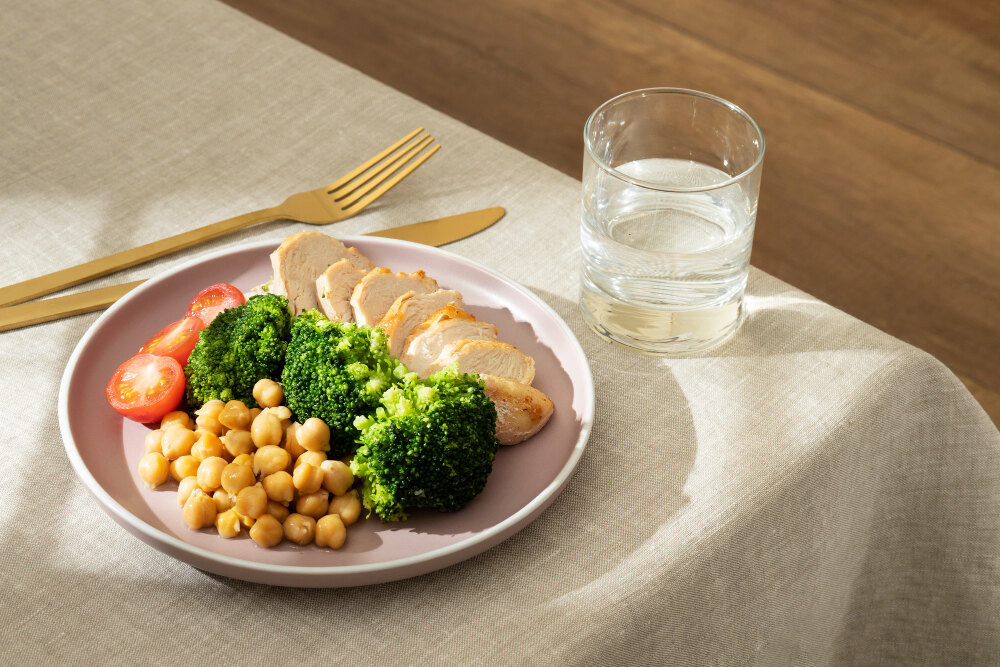
Breakfast matters for a separate reason. Alcohol disrupts blood sugar regulation, and low blood sugar on its own causes shakiness, fatigue, mood swings, and poor focus symptoms that stack directly on top of the hangover. A light meal works best:
- Eggs for protein and sustained energy
- Toast or fruit to stabilize blood sugar quickly
- Something easy on the stomach — nothing heavy or fried
Skip the greasy breakfast. Alcohol already slows how the stomach empties and irritates its lining, so high-fat food early on tends to worsen nausea. Eat light, eat slowly, and give yourself 20–30 minutes before heading out.
Before leaving the room, do an honest check. Mild headache, manageable nausea, and general fatigue mean you can proceed carefully. Dizziness that makes it hard to stand, repeated vomiting, or an inability to keep fluids down means staying put or calling a mobile IV provider before attempting anything outdoors.
Smart Winery Strategy When You’re Already Running on Empty
Tasting and spitting is standard among serious wine professionals — not because they’re being precious about it, but because it’s the only way to evaluate dozens of wines without impairment accumulating. On a recovery day, it’s the simplest way to stay present and functional through the afternoon.
The 1-water-per-pour rule is the highest-impact habit change you can make during a tasting day. Alternating every 2–3oz pour with a full glass of water slows your effective intake rate, keeps dehydration from building, and reduces both how high your blood alcohol climbs and how bad tomorrow feels. This means a full glass, finished before the next tasting — not a polite sip between swallows.
Skip pours you’re not genuinely curious about. Tasting rooms typically serve 5–6 wines per visit. Across 3 wineries, those 2–3oz pours add up to several full glasses, even though no single pour felt like much. If you’re already recovering, that math matters more than usual.
A real sit-down lunch is not optional. Crackers and cheese between stops is not recovery fuel, it’s a placeholder. A proper mid-day meal with protein, complex carbohydrates, and some fat slows further alcohol absorption, restores blood sugar, and gives the digestive system something useful to do. Any winery with a full kitchen, or a restaurant stop between venues, meaningfully improves how the afternoon plays out.
2 wineries with time to sit and take things in will always produce a better day than 5 rushed stops. On a hangover day, cognitive load is already high and the sensory return from each tasting drops the more depleted you are.
Building a Hangover-Friendly Wine Country Itinerary
Build at least 1 non-drinking activity into the day. An olive oil tasting, a scenic drive through Dry Creek Valley, a farm visit, or a long lunch with no tasting attached gives the body genuine recovery time baked into the schedule. These tend to be the parts of the trip people remember most clearly anyway.
Know which tasting rooms have covered patios or indoor spaces before you go. Mid-afternoon Napa or Sonoma sun in summer is intense — the worst heat and UV falls between roughly 11am and 3pm. Scheduling tastings in the morning or late afternoon, with a shaded break in between, cuts the environmental load significantly on a day when the body is already taxed.
Pack for the environment you’re actually in:
- Electrolyte packets
- High-protein snacks like nuts or jerky
- Sunscreen and a hat
- Sunglasses
- A refillable water bottle you actually use
These aren’t comfort extras, they’re the practical tools for managing dehydration, blood sugar, and heat over a long outdoor day.
Know your exit ramp. If you’re not feeling meaningfully better by mid-morning — after water, electrolytes, and breakfast — shifting the day entirely to food, scenery, and rest is a real option. Some of the best California trips happen when someone decides to put the tastings down for a day.

3. Mobile IV Therapy For California Hangovers When Water Isn’t Enough
Oral hydration resolves most hangovers when it’s given the time and conditions to work. Rest, electrolytes, light food, and time are enough for the body to clear alcohol’s byproducts and settle the inflammation response. The question of whether IV therapy makes sense comes down to whether those conditions actually exist.
Most hangovers don’t require IV fluids. If you can keep water and electrolytes down, and you have time to rest, oral recovery is the right first step.
IV therapy makes practical sense when:
- Repeated vomiting or severe nausea makes it impossible to keep fluids down
- Dehydration has progressed to dizziness on standing, rapid heart rate, or extreme weakness
- You have a time-critical event — a wedding, corporate retreat, or one-shot Napa trip — where a lost morning carries a real cost
- You’ve already tried water, electrolytes, and breakfast and you’re still not functional
A standard hangover IV delivers isotonic fluids usually normal saline or lactated Ringer’s — plus electrolytes to restore blood volume and correct dehydration, typically within 30–60 minutes. Many formulations also include B vitamins and vitamin C to support energy metabolism and counter alcohol-driven oxidative stress. Some protocols add anti-nausea medications like ondansetron to stop vomiting, and occasionally acid-reducing or anti-inflammatory agents for stomach irritation and headache.
The provider comes to your hotel, Airbnb, or home. No ER waiting room, no driving while symptomatic. Most sessions run 30–60 minutes, and most people notice meaningful improvement within 1–2 hours.
What IV therapy does not do is equally important to understand. It does not speed up how the liver clears alcohol that happens at a fixed rate of roughly 0.015% BAC per hour regardless of what else you do. Feeling more alert after a drip does not mean BAC has dropped to a safe level for driving. IV therapy addresses dehydration and some related symptoms; it does not resolve the full hangover, and it is not a replacement for rest, food, and smarter drinking going forward.
Mobile IV Medics serves many of the areas where California hangovers are most likely to happen. Whether you’re recovering after a night out in Los Angeles, waking up after a tasting day in Temecula wine country, or pushing through a weekend in Santa Barbara County, a licensed clinician can be at your location within hours — no driving, no waiting rooms, no wasted day.
| IV drips correct dehydration — they do not speed up how the liver clears alcohol. The liver metabolizes alcohol at a fixed rate of approximately 0.015% BAC per hour, regardless of fluids, vitamins, or any other intervention. Feeling better after a session does not mean BAC is at a safe or legal level for driving. IV therapy is a recovery and comfort tool. It is not a sobriety shortcut. |
4. How To Avoid Needing A Hangover Rescue Next Time?
No supplement, special drink, or product reliably prevents a California hangover. Total ethanol dose and drinking pace remain the strongest predictors of how bad the next morning feels, and no downstream intervention fully compensates for a heavy night in a hot outdoor environment.
The prevention levers with real evidence behind them are behavioral. Alternating every alcoholic drink with a full glass of water slows effective intake, sustains hydration, and reduces both how high BAC climbs and how severe the next day is. Eating before and during drinking slows alcohol absorption and flattens the BAC curve. Hydrating before, during, and after drinking targets dehydration at all 3 windows where it accumulates.
Wine selection matters for people who notice histamine sensitivity. Lighter-bodied wines — whites, rosés, and lighter reds — generally carry lower histamine and congener loads than full-bodied, high-tannin reds. One common misconception worth clearing up: organic or low-sulfite wines are not a meaningful prevention tool for most people. Sulfites primarily cause respiratory and skin reactions in a small subset of sensitive individuals, they are not the main driver of hangovers. A low-sulfite red can still carry full alcohol content, high histamines, and the same congener load as any conventional bottle.
Recovery buffers built into the itinerary change the cumulative picture across a multi-day trip. A lighter morning after a big night, 1 fully non-drinking day on any trip longer than 2 nights, and a later start to tastings the morning after a wine dinner all reduce the body’s total inflammatory and dehydration load. Sleep deprivation independently worsens cognitive symptoms and mood — protecting sleep on the nights before long tasting days has real payoff.
A practical California trip kit requires very little planning:
- Electrolyte packets
- A refillable water bottle
- High-protein snacks for the car
- Sunscreen and a hat
- Basic OTC medications reviewed with a doctor before departure
These are modest preparations against a situation that’s largely avoidable with a little forethought.
A California hangover is harder than it sounds — wine chemistry, heat, long outdoor days, and travel fatigue stack on each other in specific, predictable ways. The recovery path is equally specific: electrolytes early, real food, shade, pacing, and time. When you need faster support in Napa, Sonoma, or LA, Mobile IV Medics brings licensed clinicians directly to your location so you can focus on the trip you came for.


