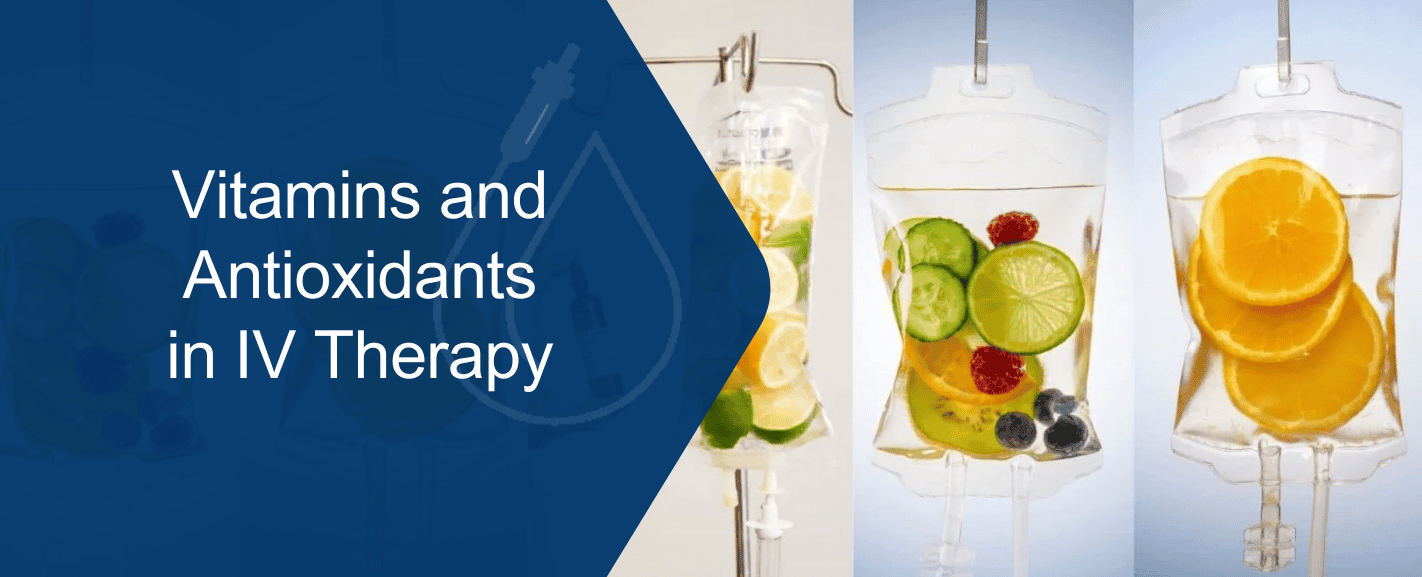
Two IV bags hanging side by side can look identical — clear fluid, sterile tubing, standard drip chamber. Yet the ingredient quality, dosing precision, and compounding standards behind each bag can mean the difference between a safe wellness treatment and an unnecessary health risk. Understanding IV vitamin therapy ingredients helps you choose clinics that prioritize proven formulas, sterile compounding, and regulatory compliance over flashy marketing alone.
Key Takeaways
- IV vitamin therapy ingredients include B vitamins, vitamin C, magnesium, zinc, glutathione, and carrier fluids that deliver nutrients directly into your bloodstream
- Sterile compounding standards ensure IV drip ingredients are prepared safely in controlled cleanroom environments to prevent contamination
- Pre-treatment medical screening and proper ingredient sourcing from licensed pharmacies are essential safety requirements for IV vitamin therapy
Intravenous (IV) fluids are sterile solutions containing electrolytes and nutrients delivered directly into the bloodstream through a vein, bypassing digestion entirely. IV vitamin therapy — also called intravenous vitamin therapy or vitaminas intravenosas — uses targeted nutrient infusions built around vitamins, minerals, antioxidants, and amino acids rather than strictly emergency medical use. This guide explains what’s actually inside the bag, how those IV therapy ingredients are prepared through sterile compounding, and which safety frameworks keep these products compliant.
IV Therapy Ingredients’ List
Most IV vitamin therapy formulas combine a sterile carrier fluid with specific nutrients tailored to wellness goals like immunity, energy, recovery, or beauty. The ingredient list reveals what an IV drip actually does, regardless of its marketing name.
Vitamin B12
Vitamin B12 appears in IV vitamin therapy ingredients as cyanocobalamin, methylcobalamin, or hydroxocobalamin. Form matters because methylcobalamin may offer advantages in nerve-related conditions, while hydroxocobalamin stays active longer in the body.
B12 plays essential roles in red blood cell formation, nervous system health, DNA synthesis, and energy metabolism. According to a 2017 review published in American Family Physician (AAFP), the prevalence of vitamin B12 deficiency in the United States and the United Kingdom is approximately 6% in persons younger than 60 years, and nearly 20% in those older than 60 years. Higher-risk groups include vegetarians, vegans, people with digestive disorders like Crohn’s disease or celiac disease, those who’ve had bariatric surgery, and long-term users of metformin or proton pump inhibitors. In these populations, IV or injectable B12 can swiftly correct deficiencies and reverse related complications such as peripheral neuropathy, cognitive decline, and megaloblastic anemia.
You’ll find B12 in IV drip ingredients for energy formulas, fatigue treatments, and protocols supporting people with low B12 intake or absorption issues.
B Complex
A B complex in IV vitamin therapy ingredients typically includes eight water‑soluble vitamins: B1 (thiamine), B2 (riboflavin), B3 (niacin), B5 (pantothenic acid), B6 (pyridoxine), B7 (biotin), B9 (folate), and B12 (cobalamin). Together, they act as coenzymes in energy production, nervous system function, and cell growth. 3 B vitamins are especially relevant to how IV drips are designed:
- B3 (niacin): Precursor to NAD and NADP, the coenzymes that drive cellular metabolic reactions and redox balance.
- B6 (pyridoxine): Cofactor for more than 100 enzymes involved in amino acid metabolism and the synthesis of neurotransmitters such as serotonin and dopamine.
- B9 (folate): Essential for DNA synthesis and especially critical in pregnancy to support normal fetal development and reduce neural tube defect risk.
Because these vitamins interact closely in metabolism, brain function, stress response, and skin health, B complex appears across immune drips, energy formulas, recovery protocols, and general wellness IV vitamin therapy ingredients. IV delivery is particularly useful when digestive issues or malabsorption limit the effectiveness of oral B‑vitamin supplements.
Vitamin C
Vitamin C functions as a powerful antioxidant in IV drip ingredients, protecting cells from damage. Beyond antioxidant defense, it boosts white blood cell activity to strengthen immune function, helps build collagen in skin, joints, bones, and blood vessels, and speeds tissue repair and wound healing.
The pharmacokinetic case for IV vitamin C is strong. Oral vitamin C is limited by intestinal transporters, so plasma levels plateau even when doses increase. A classic pharmacokinetic study in the Annals of Internal Medicine (Levine et al., 2004) found that a modeled 50 g IV dose produced peak plasma levels around 13,400 µmol/L, versus 220 µmol/L for the maximum tolerated oral regimen — roughly 30–70 times higher plasma concentrations with IV administration. A similarly notes that IV vitamin C can reach therapeutic plasma levels 30–70 times higher than oral dosing.
At therapeutic IV doses (often 25–50 g in oncology and critical-care research), studies report improvements in inflammation markers, oxidative stress, and quality of life in advanced cancer and sepsis, although evidence is strongest for adjunctive rather than stand‑alone use. IV delivery also avoids the gastrointestinal upset and diarrhea that commonly limit high‑dose oral vitamin C. This combination of higher achievable plasma levels and better tolerability explains why vitamin C is a core ingredient in immune, recovery, and skin‑focused IV drips.
Magnesium
Common IV forms of magnesium include magnesium sulfate and magnesium chloride, both serving roles in over 300 body processes. The classic Myers’ Cocktail contains magnesium chloride as a core ingredient.
Magnesium acts as the body’s natural relaxation mineral, helping muscles relax after contraction. It supports proper nerve signals throughout the body, helps produce ATP (the body’s energy currency), and contributes to healthy blood pressure.
The evidence for IV magnesium in migraine is particularly strong. A meta‑analysis of randomized clinical trials published in Pain Physician found that intravenous magnesium significantly reduced acute migraine attacks within 15–45 minutes, 120 minutes, and 24 hours compared with control treatments. A 2024 systematic review on IV magnesium for chronic pain and status migrainosus reported that in one outpatient infusion study, 86.6% of patients achieved complete pain relief and 100% had full resolution of associated symptoms (such as nausea and photophobia) immediately after treatment. The American Migraine Foundation notes that IV magnesium appears most effective in patients with migraine with aura, likely because magnesium helps prevent cortical spreading depression — the brain signaling wave thought to underlie visual and sensory aura.
This is why magnesium is a core ingredient in recovery drips, stress-relief formulas, and headache IV protocols. Stress and intense exercise rapidly drain magnesium stores, explaining its popularity in both wellness and athletic recovery IV vitamin therapy ingredients.
Glutathione
Glutathione is a molecule made from three amino acids — cysteine, glycine, and glutamic acid — widely recognized as the body’s “master antioxidant.” It exists at high concentrations in almost every cell, especially liver cells.
Glutathione’s functions extend far beyond antioxidant protection. It directly neutralizes harmful molecules including free radicals while detoxifying damaged fats. Uniquely, glutathione reactivates vitamins C and E, making it the center of the entire antioxidant defense network. It powers liver detox pathways, converting toxins into water-soluble compounds that can be eliminated through urine or bile. A study of fatty liver disease patients showed that 300 mg of glutathione daily for four months significantly improved liver enzyme levels and reduced fat buildup.
Glutathione strengthens immune cell activity, regulates immune responses to prevent overreaction, and blocks a central inflammation control pathway in the body. For skin health, it inhibits the key enzyme in melanin production, leading to more even skin tone.
In IV drip contents, glutathione is commonly used in detox and liver support protocols, post‑illness recovery formulas, anti‑aging and skin treatments, and immune support blends, typically administered either as an IV push or added to a vitamin/mineral drip. Because glutathione has a relatively short half‑life (on the order of minutes in circulation) and oral glutathione is broken down in the gut and at cell surfaces, IV delivery is often used to bypass these absorption limitations and achieve higher short‑term plasma levels. Age‑related and disease‑related declines in glutathione have been documented in multiple tissues, which is one reason it is targeted in many wellness‑oriented IV protocols, although optimal dosing, frequency, and long‑term safety still require individualized medical judgment.
Biotin
Biotin (vitamin B7) is a water-soluble vitamin playing key roles in how your body processes carbohydrates, proteins, and fats. It’s especially recognized for making keratin — the structural protein forming hair, skin, and nails.
Evidence for biotin in conditions involving underlying deficiency or health problems is positive. A Karger review found 18 reported cases of biotin use for hair and nail problems, all showing improvement — though all patients had an identified underlying condition. In one study, 2.5 mg/day of biotin for 6–15 months increased nail thickness by 25% in patients with brittle nails.
Biotin shows up in “beauty” IV drip ingredients focused on hair, skin, and nails, sometimes bundled with B complex and vitamin C. IV biotin delivery bypasses digestive absorption issues. Patients may notice initial energy improvements within the first few sessions, while hair, skin, and nail benefits typically become noticeable after 4–6 weeks of consistent treatment.
Realistic expectations matter when your baseline diet is adequate. A 2023 review concluded that “the widespread marketing of biotin for hair loss in healthy individuals is unsubstantiated” — biotin works best when genuine deficiency or health problems exist, not as cosmetic enhancement for people with adequate biotin levels.

Zinc
Zinc is a trace mineral involved in over 300 body processes, influencing everything from gene activity and immune signaling to wound healing and brain health. It controls both immediate and long-term immune responses through multiple pathways.
The immune function evidence for zinc in IV therapy ingredients is substantial. A 2020 study found that IV zinc therapy boosted immune cell activation in hospitalized patients and reduced body-wide inflammation. Low zinc levels have been linked to slower cold and flu recovery, increased pneumonia risk, greater susceptibility to skin infections, and poor vaccine response in older adults.
Zinc is positioned in formulas targeting immune strength, cold and flu support, and post-illness recovery, typically alongside vitamin C and glutathione. A review involving 178 participants found that patients receiving zinc had a 41% higher likelihood of favorable wound healing outcomes compared to those who did not receive zinc.
IV zinc bypasses limited oral absorption rates and avoids the stomach irritation that commonly accompanies oral zinc at higher doses. However, upper limits exist for zinc, and excessive dosing can actually impair immune function — reinforcing the need for medical supervision in IV vitamin therapy ingredients.
L-carnitine
L-carnitine is a naturally occurring compound whose primary function is shuttling long-chain fatty acids into the mitochondria — the parts of cells where fat is burned to produce energy. This role centers it in fat metabolism, energy production, and exercise recovery.
People with metabolic syndrome, type 2 diabetes, and heart disease often have lower L-carnitine levels, making fat-burning more difficult and weight loss harder to achieve. A 2014 trial tested 4 grams per day of IV L-carnitine for 12 weeks in patients with metabolic syndrome and found improvements in body weight, cholesterol levels, insulin sensitivity, and inflammation markers. A large analysis of 37 trials involving 2,292 participants concluded that L-carnitine significantly reduced body weight, BMI, and fat mass.
In IV drip contents, L-carnitine appears in performance and athletic recovery formulas, fatigue protocols, and some weight-management treatments. It’s often combined with B complex and magnesium in “performance” or “recovery” IV vitamin therapy ingredients because this combination addresses both energy production pathways and muscle recovery simultaneously. IV delivery offers the advantage of bypassing digestion, achieving higher absorption, and enabling more precise dosing.
What Else is in IV Bag Ingredients Besides Vitamins and Minerals?
While vitamins, minerals, and antioxidants receive the most attention in IV vitamin therapy ingredients, the sterile carrier fluid is the foundation of every IV drip. The carrier solution serves two purposes: it rehydrates the body and acts as the vehicle that carries dissolved vitamins and minerals into the bloodstream.
The most common carrier solutions used in IV bag ingredients are:
- Normal saline (0.9% sodium chloride) — matches the body’s natural blood concentration for smooth integration
- Lactated Ringer’s solution — contains sodium, potassium, calcium, and lactate for more complete electrolyte restoration
- Sterile water with electrolyte additives — offers a customizable base
A typical IV vitamin therapy session uses 500–1,000 mL of carrier fluid.
Electrolytes — sodium, potassium, calcium, chloride, and magnesium — work with nutrients to restore fluid balance and support cell function. These components are critical for muscle contraction, nerve signaling, and overall cellular operations. The solution must match or appropriately adjust blood concentration to prevent cell damage during infusion.
When patients encounter terms like IV bag ingredients, IV contents, IV drip contents, or IV components, these collectively refer to the carrier fluid plus whatever vitamins, minerals, antioxidants, or amino acids have been added to create the complete formula.
What is Considered IV Compounding?
Pharmaceutical compounding is the process of combining, mixing, or altering ingredients to create a customized medication for an individual patient. In the IV therapy context, sterile IV compounding refers specifically to preparing IV solutions in controlled cleanroom environments using strict techniques to ensure the product is free from germs, chemicals, and particles.
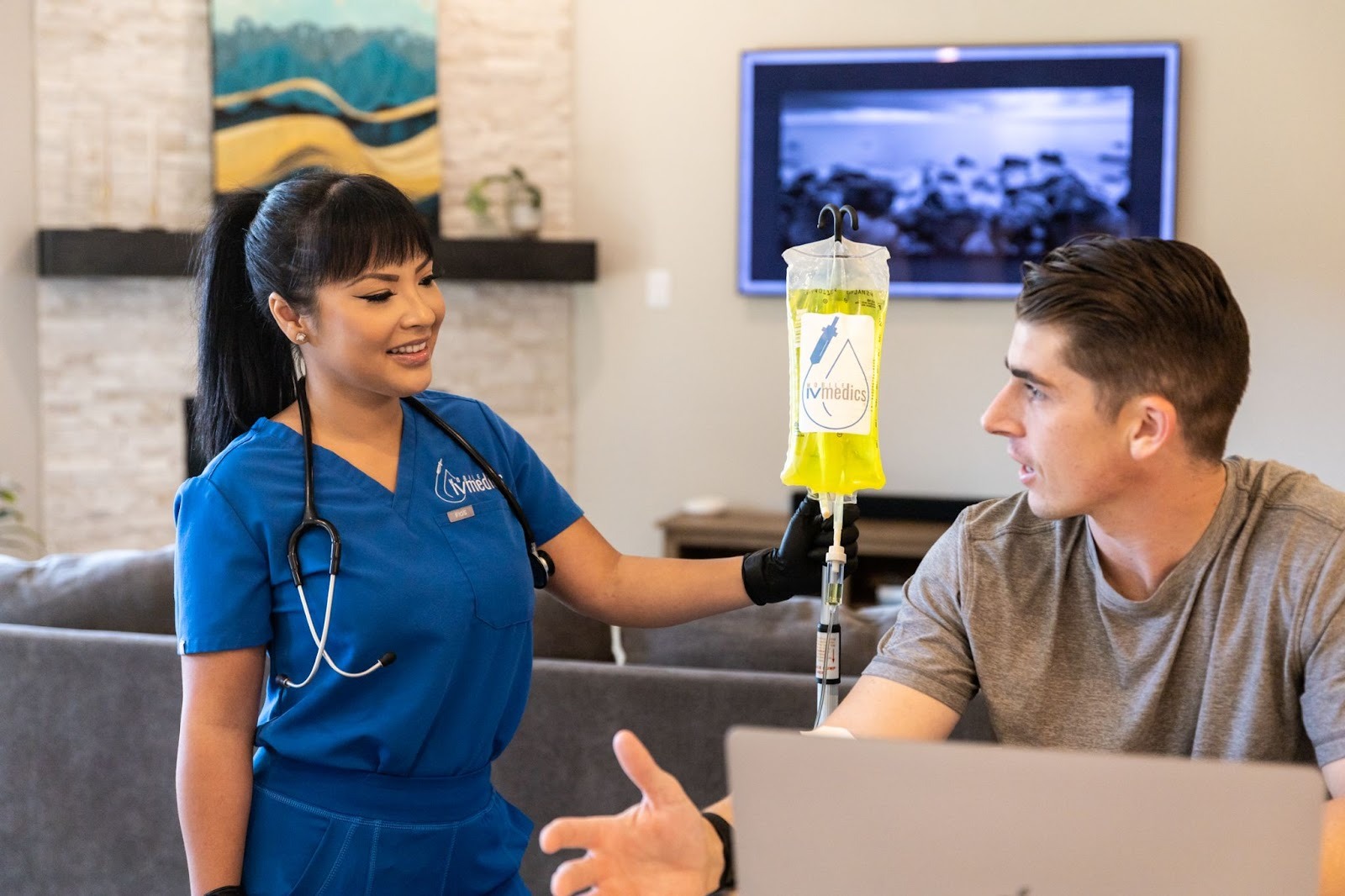
A critical point often misunderstood: when a nurse draws a vitamin from a vial and injects it into a fluid bag, this technically counts as compounding. As one industry practitioner noted, “The pharmacy delivers the vitamin in powdered form or a vial to an IV clinic. It’s technically considered compounding for a nurse to draw it out of the vial and shoot it into a fluid bag.” This means most IV vitamin therapy clinics are engaged in compounding whether they realize it or not.
The sterile compounding process demands strict environmental controls:
- Cleanroom classifications — areas where actual compounding occurs must maintain ISO Class 5 conditions; buffer areas must meet ISO Class 7; and transition zones must meet ISO Class 8
- Airflow hoods and HEPA filters — maintain air quality by filtering particles
- Strict technique — proper gowning, equipment sterilization, and protocols to prevent contamination at every step
- Beyond-use dating — establishing how long a compounded preparation remains safe and effective after preparation
IV vitamin therapy ingredients count as “compounded” when drawn from multiple vials into one bag or when any customization occurs beyond simple use of a commercially pre-mixed product. Compounded sterile preparations are categorized into three risk levels: low (simple preparations using commercial sterile products with minimal handling), medium (complex formulas requiring multiple compounding steps), and high (preparations made from non-sterile ingredients or exposed to unsterile environments). Each risk category carries specific protocols for storage, testing, and beyond-use dating.
Regulatory Frameworks Ensuring Safe Practices
The primary sterile compounding standard in the United States is USP Chapter <797> (Pharmaceutical Compounding — Sterile Preparations), which establishes minimum requirements for preparation, labeling, storage, and quality control of compounded IV vitamin therapy ingredients. The revised USP <797> took effect in November 2023, updating standards for environmental controls, staff qualifications, and beyond-use dating to minimize contamination and dosing errors.
Regulatory oversight in the U.S. is split across several bodies:
- U.S. Food and Drug Administration (FDA): Regulates the drug products and ingredients used in IV therapy as pharmaceuticals.
- State Boards of Pharmacy and Nursing: Oversee facility licensure, practitioner scope of practice, and compliance with USP <797> and state compounding rules.
- Federal Trade Commission (FTC): Polices misleading or unsubstantiated health claims in IV therapy marketing. In its first IV case, the FTC sanctioned iV Bars for disease‑treatment claims lacking randomized controlled trial evidence
National drug regulators, pharmacy boards, and health agencies play roles in licensing facilities, inspecting cleanrooms, and enforcing compounding standards across different jurisdictions. In the UK, IV vitamin therapy is classified as a regulated activity requiring registration with the Care Quality Commission when prescription medicines are given intravenously. Canada faces fragmented oversight with IV therapy existing in a regulatory “grey area.” Australia’s Therapeutic Goods Administration regulates IV drip therapies as therapeutic goods.
Clinic-level obligations remain consistent across properly operated facilities regardless of location:
- Use accredited compounding pharmacies exclusively for ingredient sourcing
- Maintain comprehensive standard operating procedures (SOPs)
- Train staff in sterile technique and emergency management
- Document lot numbers and doses carefully
- Have adverse-event reporting pathways established
- Keep emergency equipment and medications including epinephrine readily available
Common regulatory concerns specific to IV vitamin therapy include over-promising benefits without evidence, inadequate patient screening before infusions, and non-compliant in-house compounding that bypasses proper sterile preparation standards. The 2012 fungal meningitis outbreak — caused by contaminated compounded medications from a Massachusetts pharmacy — remains a landmark case showing catastrophic consequences of poor sterile compounding practices.
Safety, Risk Management, and Patient Screening Around IV Ingredients
IV vitamin therapy, when properly compounded and given by qualified professionals, generally demonstrates an acceptable safety profile for appropriate clinical uses. However, it is not risk-free. The main risk categories linked to IV vitamin therapy ingredients include:
- Infection — from poor sterility practices, potentially leading to bloodstream infections or sepsis
- Vein irritation — phlebitis, bruising, and potential vein damage with repeated IV access
- Fluid overload — can overwhelm heart and kidney systems, especially in vulnerable patients
- Allergic reactions — ranging from mild local reactions to severe anaphylaxis
- Nutrient-specific toxicities — fat-soluble vitamins can build up in tissues; high-dose vitamin C carries specific risks including red blood cell damage in G6PD-deficient individuals and kidney problems in those with kidney disease or history of kidney stones; large thiamine doses can cause severe allergic reactions; excessive B6 may cause nerve damage; potassium overdose can cause fatal heart rhythm problems
Pre-treatment screening is essential and should include:
- Comprehensive medical history and current medication review
- Kidney and liver function assessment
- G6PD screening (required before high-dose vitamin C)
- Relevant lab testing based on individual risk profile
- Informed consent documenting risks, benefits, evidence gaps, alternatives, and costs
During infusion, vital sign monitoring, regular IV site assessment (especially in children and elderly patients), and continuous observation for signs of allergic reaction or fluid overload represent standard practice expectations.
Practical safety questions an informed patient should ask about ingredient sourcing include: Does the clinic source IV vitamin therapy ingredients from licensed, accredited compounding pharmacies? Can they provide documentation of compounding pharmacy partners? What are their protocols for sterile preparation? Is staff trained in sterile technique and emergency response? What emergency equipment and medications are on-site? How do they screen patients before giving IV drips? What is their adverse event reporting process?
How to Evaluate IV Vitamin Therapy Menus Through Their Ingredients
Many IV clinics present offerings as branded “cocktails” or menu items with marketing-friendly names — Immunity Boost, Glow Drip, Executive Energy, Athletic Recovery. The ingredient list, not the name, determines what an IV drip actually does. Learning to “read” a clinic’s menu by examining what’s in an IV drip reveals which nutrients are present, at what doses, rather than relying on marketing names alone. Common formula patterns:
- Immune support — vitamin C + zinc + glutathione + B vitamins
- Beauty/skin — biotin + glutathione + vitamin C
- Performance/recovery — L-carnitine + B complex + magnesium
- Energy — B12 + B complex + magnesium
- General wellness (Myers’ Cocktail) — magnesium + calcium + B complex + B12 + vitamin C, sometimes with added zinc or glutathione
These ingredient patterns imply expected effects based on how the body works. Vitamin C and zinc together create synergistic immune support. Glutathione combined with vitamin C addresses both antioxidant defense and skin appearance. L-carnitine with B complex and magnesium targets energy production and muscle recovery simultaneously.
The strongest red flag is a clinic allowing walk-in IV therapy from a menu without any individual medical evaluation. The safest approach is one where ingredient selection is guided by your specific health context, documented deficiencies or risk factors, and clear informed consent — not by trends or social media influence alone. Alignment between personal goals, medical context, and specific IV vitamin therapy ingredients produces better outcomes than choosing IV drips solely based on popularity or aesthetic marketing.
Understanding IV vitamin therapy ingredients empowers you to make informed decisions about IV drip contents and clinic quality. The ingredient list, sterile compounding standards, and pre-treatment medical screening separate evidence-based IV vitamin therapy from poorly regulated wellness trends. Mobile IV Medics prioritizes pharmaceutical-grade IV therapy ingredients sourced from accredited compounding pharmacies, comprehensive patient screening, and transparent formulas tailored to your specific health goals. When you’re ready to experience IV vitamin therapy backed by medical expertise and proper safety protocols, contact Mobile IV Medics to discuss which nutrient combination aligns with your wellness needs.
References:
- Vitamin B12 Deficiency: Recognition and Management
- Vitamin C Pharmacokinetics: Implications for Oral and Intravenous Use
- Effects of Intravenous and Oral Magnesium on Reducing Migraine
- Magnesium and migraine
- Efficacy of glutathione for the treatment of nonalcoholic fatty liver disease
- A Review of the Use of Biotin for Hair Loss
- Biotin for Hair Loss
- Effects of l-carnitine supplementation on weight loss and body composition
- Pharmaceutical Compounding – Sterile Preparations
- About Outbreak Investigations in Healthcare Settings