You wake up dry-mouthed, head pounding, stomach turning — wondering how a few drinks turned into this. It’s a familiar scenario for millions of Americans, and the frustrating truth is that most home remedies for hangover relief circulating online — the greasy breakfast, the extra drink, the sweat session — don’t actually work.
Key Takeaways
- There is no best hangover cure — but the right actions, in the right order, meaningfully shorten how long you feel terrible.
- Popular hangover tips like coffee, sweating it out, and hair of the dog don’t speed recovery — and some make it worse.
- Certain symptoms — confusion, inability to wake, bloody vomit — are emergencies, not just a bad hangover.
Recovering from a hangover starts with knowing what’s actually happening in your body. This article breaks down what causes a hangover, walks you through the hangover treatment steps that have genuine evidence behind them, and clears up the myths that waste your time when you can least afford it.
1. What a Hangover Actually Does to Your Body?
A hangover isn’t 1 thing — it’s several disruptions happening at once, each producing its own set of symptoms. Knowing what’s driving your discomfort makes it much easier to treat the right problem first — and sets realistic expectations for how long hangovers last and why.
| Mechanism | What Happens | Symptoms Produced |
| Dehydration & electrolyte loss | Alcohol suppresses vasopressin, causing excess urination; vomiting and sweating worsen fluid and electrolyte loss | Thirst, dry mouth, dizziness, rapid heart rate, weakness |
| Acetaldehyde toxicity | Liver converts alcohol to toxic acetaldehyde; heavy drinking causes it to accumulate faster than the liver can clear it | Headache, flushing, nausea, palpitations |
| Immune activation & inflammation | Alcohol raises inflammatory cytokines; higher levels correlate directly with hangover severity | Muscle aches, malaise, flu-like feeling |
| Blood sugar drop | Alcohol disrupts the liver’s ability to release glucose, especially after drinking on an empty stomach | Shakiness, weakness, poor concentration, mood changes |
| Sleep disruption | Alcohol fragments sleep, suppresses REM cycles, and can worsen breathing overnight | Grogginess, cognitive fog, fatigue independent of alcohol itself |
Symptoms typically begin as blood alcohol levels fall, peak when they approach zero — often in the early morning hours — and resolve for most people within 24 hours. There is no medically proven method to get rid of a hangover fast or eliminate one entirely. Every evidence-based approach focuses on shortening how long you feel terrible while your body does the actual work.
2. How to Recover from a Hangover Faster?
These steps are not equally weighted. Rehydration matters more than food, and rest matters more than both. Work through them in order and focus on what you can actually act on right now.
Step 1: Rehydrate, But Do It Right
Dehydration after drinking is one of the most direct and correctable drivers of how bad you feel — which is why knowing what to drink after drinking alcohol matters more than most people realize.
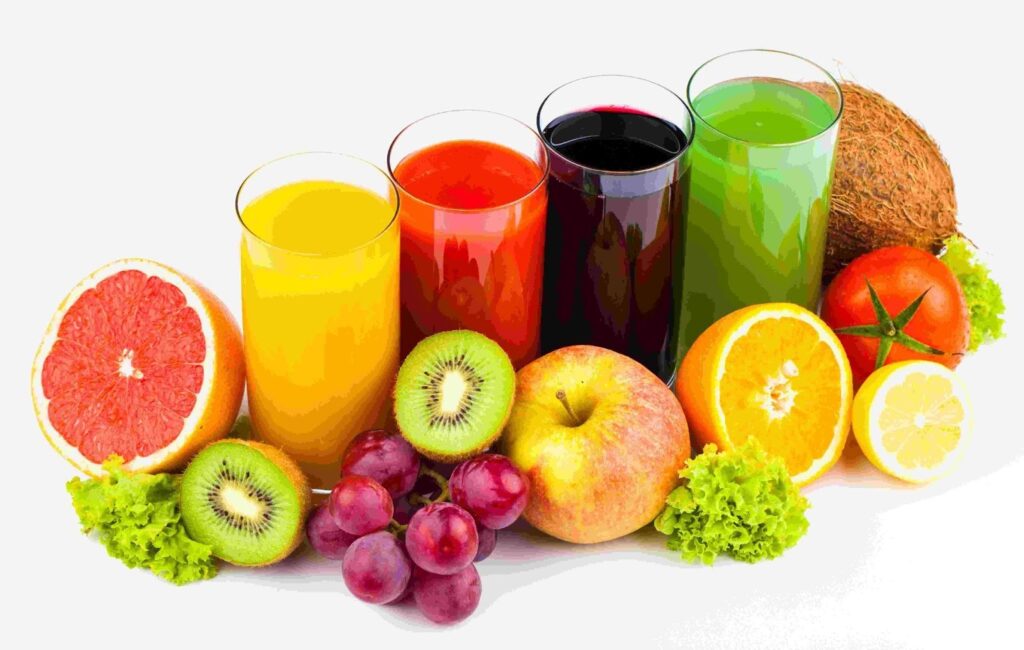
Plain water helps, but it doesn’t replace the sodium and potassium lost through excess urination and vomiting. Oral rehydration solutions and electrolyte drinks are a better starting point because they replenish fluids and key minerals at the same time, supporting blood pressure and nerve function in a way plain water can’t. IV hydration can be helpful if you’re severely dehydrated.
When you’re stocking up on fluids, here’s how your options rank:
- Oral rehydration solutions and electrolyte drinks — best overall for replacing both fluids and minerals
- Broth — provides fluids, sodium, and some calories; gentle on an unsettled stomach
- Coconut water — a good source of potassium when electrolyte drinks aren’t available
- Diluted fruit juice — helps with blood sugar, but sip slowly if nausea is present
- Plain water — essential and always helpful, even if it doesn’t replace electrolytes on its own
There are also more creative ways to stay hydrated without drinking water that can help when plain fluids feel unappealing. If hangover nausea is making it hard to keep anything down, technique matters as much as what you drink — small sips every few minutes stay down far better than large amounts at once, and cool rather than icy fluids tend to be better tolerated. But a few things to skip entirely:
- More alcohol delays recovery and carries real dependence risk for anyone who relies on it regularly
- Heavily sweetened sodas worsen blood sugar swings and GI upset
- High-caffeine energy drinks compound the sleep deficit without doing anything to clear alcohol from your system
Step 2: Eat to Stabilize, Not to Fill
Knowing what to eat when hungover can make a real difference in how quickly you start feeling human again — but the goal isn’t to absorb or neutralize alcohol, since that process is already over. It’s about stabilizing blood sugar and giving your GI tract something manageable to work with.
The right approach is to build up gradually:
- Start with bland carbohydrates — plain toast, crackers, dry cereal, or white rice. These raise blood sugar slowly without triggering more nausea.
- Add easy proteins once your stomach settles — eggs, yogurt, or a small amount of nut butter support continued recovery.
- Include a banana if you can — it delivers potassium and natural sugars that may help the body process alcohol more efficiently.
The greasy breakfast myth deserves a direct correction. Eating a high-fat meal before or during drinking does slow alcohol absorption slightly — but the morning after, it does nothing to speed metabolism and can actively worsen reflux and nausea in an already-irritated GI tract. Spicy food and large meals carry the same risk in the early hours of recovery.
A practical approach: eat a small bland portion, wait about 15–20 minutes, and gauge how your stomach responds before eating more.
Step 3: Sleep and Rest
Rest isn’t a passive way to wait out discomfort — it’s one of the most active parts of hangover recovery. While you sleep, your liver keeps clearing acetaldehyde and residual alcohol metabolites, your inflammatory response begins to settle, and your brain attempts to recover the REM sleep that alcohol suppressed. Going back to sleep after waking, if you’re able, is one of the most effective steps on this entire list.
The alcohol-induced sleep from the night before didn’t count as real rest. Alcohol fragments sleep architecture, cuts REM significantly, and can worsen breathing overnight — which is why you often wake more depleted than when you went to bed, regardless of how many hours you technically logged.
If obligations prevent more sleep, here’s what can still help:
- A 20–30-minute nap can partially restore alertness without the grogginess of longer sleep
- Natural light exposure helps reset your alertness and circadian rhythm
- Light movement — a short walk or gentle stretching — supports circulation once you’re properly hydrated
Avoid intense exercise while still dizzy or dehydrated. It adds cardiovascular stress your body simply isn’t ready for.
Step 4: Pain Relief, Used Safely
Over-the-counter pain relievers can meaningfully reduce hangover headache and body aches, but medication choice matters in ways it wouldn’t on an ordinary morning. Here’s how to navigate it:
- NSAIDs (ibuprofen, naproxen, aspirin). Generally the preferred hangover medicine for head and muscle pain. Take the lowest effective dose with food to reduce stomach irritation. People with kidney concerns, stomach ulcers, bleeding disorders, or those on blood thinners should use NSAIDs only with medical guidance.
- Acetaminophen (Tylenol). The one to avoid. Mayo Clinic, MedlinePlus, and Cleveland Clinic all issue explicit warnings against combining it with heavy drinking because the pairing can cause serious liver damage — a risk that’s higher for regular drinkers or anyone with underlying liver conditions. If you’re unsure whether you took acetaminophen at some point during the night, delay all pain medication until you’re certain.
- Antacids (calcium carbonate or H2 blockers). A low-risk and frequently overlooked option for stomach acid and hangover nausea. They address the acid-related component of GI discomfort directly and are safe alongside an NSAID when needed.
One firm line that applies regardless of what you take: blood in your vomit, black or tarry stools, or severe chest or abdominal pain are not hangover symptoms. Stop and seek emergency care immediately.
3. Hangover Remedies That Feel Like They Work But Mostly Don’t
A lot of hangover advice persists because it feels logical or has been passed down long enough to seem credible. The truth is, most popular remedies either do nothing or actively extend the problem.
- Does coffee help with hangovers? Caffeine can briefly ease a hangover headache by constricting blood vessels, and habitual drinkers may need a small dose to avoid a withdrawal headache on top of everything else. But it doesn’t speed alcohol metabolism, worsens dehydration, and masks fatigue without fixing it. A moderate amount with plenty of water is fine — treating it as a hangover cure is not.
- Sweating it out through exercise or a sauna is popular but physiologically pointless. The liver metabolizes alcohol at a fixed rate that sweating cannot change. Working out while dehydrated and sleep-deprived adds cardiovascular strain and drains your fluid reserves further. Light movement after rehydrating is fine — anything more intense is additional stress on a system already running on empty.
- Hair of the dog postpones the hangover rather than treating it. A drink may temporarily shift how you feel, but it doesn’t clear acetaldehyde, reverse dehydration, or calm inflammation. For anyone who relies on it regularly, the dependence risk is real.
- Does throwing up help a hangover? Only if it happens naturally within about 30–60 minutes of drinking, when absorption is still in progress. Once alcohol is fully absorbed, inducing vomiting offers no recovery benefit — it worsens dehydration, depletes electrolytes, and risks esophageal damage.
- Vitamins and “miracle cure” drinks are worth addressing directly. B vitamins and zinc showed modest effects in 1 small trial, but results haven’t been replicated at scale. A low-dose B-complex or electrolyte supplement used alongside the fundamentals is reasonable and low-risk — just don’t expect it to carry the load.
4. How to Prevent a Hangover Before It Starts?
The best hangover prevention doesn’t happen the morning after — it happens in the hours before and during drinking, when a few deliberate choices can dramatically change how you feel the next day.
Before you drink, eat a balanced meal with carbohydrates, protein, and fat. This slows alcohol absorption and blunts peak blood alcohol levels more effectively than carbs alone. Start the evening already hydrated — a glass of water before your first drink costs nothing and meaningfully shifts how the night affects you.
During drinking, pace is the most underrated tool available. Alternating each alcoholic drink with a full glass of water maintains hydration and gives your liver time to process what’s already in your system. Around 1 standard drink per hour reflects the liver’s approximate processing rate — treat it as a practical ceiling, not a challenge. Dark spirits, certain red wines, and some liqueurs also contain higher concentrations of congeners than clear spirits, producing worse hangovers at equivalent alcohol doses.
After drinking, before bed, most people skip straight to sleep — and pay for it in the morning. Drinking 1–2 glasses of water before sleeping offsets the overnight dehydration that can wake you feeling thirsty in the middle of the night. A light snack — toast, yogurt, a banana — helps stabilize blood sugar through the night. And skip acetaminophen as a preemptive painkiller; the liver risk after heavy drinking applies here just as much as it does the morning after.
Low-dose B-complex vitamins and electrolytes taken before and after drinking are sometimes cited as prevention aids. Evidence is limited and effects are modest at best, but both are low-risk at standard doses. Think of them as a possible complement to smart drinking habits — not a substitute for them.
5. When It’s Not Just a Hangover: Warning Signs to Take Seriously
Most hangovers are miserable but not dangerous. A handful of symptoms, however, signal something that goes well beyond a rough morning and requires prompt medical attention — no hangover tips or home remedies apply here.
Alcohol poisoning is a medical emergency. Call 911 if someone cannot be roused, vomits repeatedly without regaining consciousness between episodes, breathes slowly or irregularly, has a seizure, or shows bluish, pale, or gray skin or lips. Don’t leave the person alone and don’t assume they’ll sleep it off.
Severe dehydration and GI complications require urgent care too. The signs to act on:
- Unable to keep any fluids down for several hours
- Very little or no urination, or severe dizziness when standing
- Vomit that resembles coffee grounds or contains visible blood
- Black or tarry stools
- Severe chest pain or intense, localized abdominal pain
Mental health symptoms after heavy alcohol use are worth acknowledging directly. Low mood and heightened anxiety are common in the hours after drinking — a phenomenon many people recognize as hangxiety, the wave of anxiety that can follow a night of heavy drinking. Severe or persistent thoughts of self-harm are not a normal hangover symptom and warrant immediate support — contact the 988 Suicide and Crisis Lifeline or go to the nearest emergency department.

Recurring hangovers that affect work performance, relationships, or your ability to cut back are also worth a conversation with a healthcare provider. What starts as a physical recovery question can sometimes point to something that benefits from structured support.
To truly recover from a hangover, it comes down to 4 fundamentals — rehydration with electrolytes, stabilizing food, genuine rest, and careful pain relief — applied in the right order. No supplement, sweat session, or extra drink can shortcut the process. For faster relief, hangover IV therapy delivers fluids, electrolytes, and key nutrients directly into the bloodstream — bypassing the digestive system entirely for rapid hangover recovery when you need it most. Prioritize the hangover remedies that are actually backed by evidence and most hangovers resolve meaningfully faster. And if something feels seriously wrong, trust that instinct and seek care promptly.