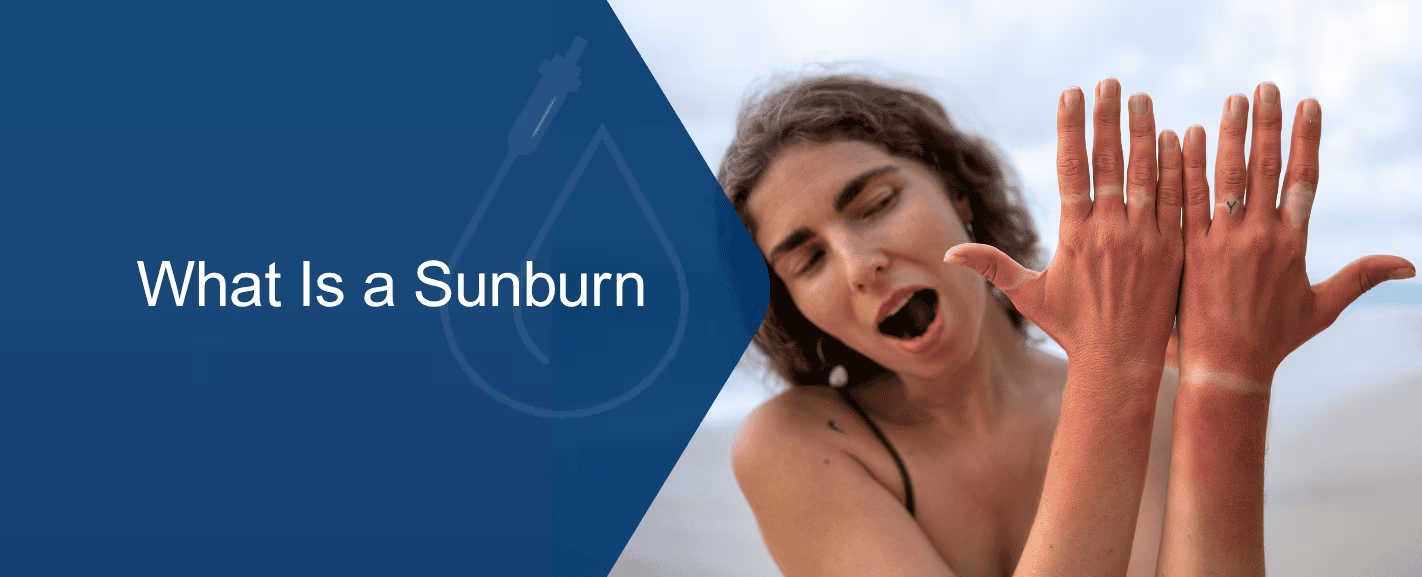
A sunburn gets treated like a skin inconvenience, something a little aloe vera fixes by morning. But chills, a pounding headache, and the kind of exhaustion that pins you to the couch don’t match that story, and that gap is exactly what a sunburn actually is.
Doctors have a plain answer to what a sunburn is: it’s radiation damage to skin cells, caused by ultraviolet light, not heat. That distinction matters more than it sounds, because it’s the reason a burn that looks skin-deep can pull in the rest of the body when it’s severe enough.
Key Takeaways
- A sunburn is UV damage to skin cells; inflammation drives the redness and swelling.
- Severe burns can trigger fluid loss and dehydration, causing chills, headache, and fatigue sometimes called sun poisoning.
- Recovery follows a predictable curve: onset, peak, peeling, then full healing within days to weeks.
- Seek medical advice for widespread blistering, severe pain, fever, signs of dehydration, or blisters on the face, hands, feet, genitals, or major joints. Seek urgent care for confusion, fainting, or inability to drink fluids.
Why Does UV Damage Actually Cause Sunburn?
The full answer to what is a sunburn starts at a level too small to see, inside individual skin cells, within minutes of exposure to the sun.
UV Rays Damage DNA Inside Skin Cells
Ultraviolet light reaches past the surface and interacts directly with DNA inside skin cells. That DNA absorbs UVB rays directly, and the extra energy causes strands to link together incorrectly, while UVA rays penetrate deeper and damage proteins and cell membranes through oxidative stress instead.
Skin cells try to repair that kind of injury on their own. Too much damage, and the cell self-destructs instead. That keeps the errors from replicating. The body clears it out over the following days. That clearing-out process is a big part of why sunburned skin peels. None of this undoes itself once the redness fades, either. It adds up over a lifetime, and every bit of sunburn damage nudges skin-cancer risk a little higher, no matter how mild any single burn felt.
| Sunburn is a sign of UV injury. Over time, UV exposure and repeated sunburns can increase the risk of skin cancer, including melanoma. Even when redness fades, protecting skin from further UV exposure remains important. |
Inflammation Causes Redness, Heat, and Swelling
Once skin cells detect that kind of DNA damage, they start signaling for immune cells to move into the area, and nearby blood vessels respond by leaking fluid directly into the surrounding tissue. That leaked fluid is what shows up as redness, heat, and sunburn swelling. It’s not just a change in surface color. Timing follows a fairly consistent pattern. Skin usually turns red and tender within about 8 hours of overexposure, and the reaction peaks 12–24 hours later. That’s the biological reason a sunburn often looks and feels worse the next morning than it did the night before.
Burn Severity Depends on How Deep the Damage Goes
Sunburn can range from mild redness and tenderness to more serious skin injury with swelling or blisters. Blistering can indicate a deeper injury than a mild burn and may take longer to heal.
| Degree | Depth of Damage | Typical Healing Time | Key Sign |
| First-degree | Epidermis (outer layer) only | About 1 week | Redness, tenderness |
| Second-degree | Reaches the dermis | Weeks | Blistering |
| Third-degree | Reaches subcutaneous fat, extremely rare from sun exposure | Weeks or longer | Numbness, leathery skin |
Most burns that severe come from fire or chemicals, not a day outdoors. But sun exposure rarely reaches that far. When it does, it can damage nerve endings directly. Numbness in a burn is not a good sign. It usually means nerve tissue, not just skin, has been affected, and that kind of sunburn nerve damage gets treated as a warning sign rather than a symptom to wait out. This degree-based breakdown is exactly what most sunburn severity chart references are built around.
Why Does Fluid Loss Make Sunburn Feel Worse?
The skin injury explains what shows up in the mirror. It doesn’t fully explain the chills, the headache, or the exhaustion that can follow a more severe burn, since those involve overlapping fluid loss, dehydration, and heat exposure rather than one single cause.
A Severe Sunburn Can Increase Fluid Loss
Damaged skin doesn’t hold moisture well. Its outer barrier lets water escape directly through the injury itself, a process dermatologists call transepidermal fluid loss. Inflammation itself pulls fluid the wrong way, too. The inflammation happening underneath actively draws it toward the injured area and away from the rest of the body.
Add a long day outdoors, sweat, and heat exhaustion effects on top of both mechanisms, and the answer to can sunburn cause dehydration turns out to be yes, through more than one route working at once.

Headache, Fatigue, Fever, and Chills Can All Show Up Together
Cleveland Clinic groups these as one overlapping cluster rather than as separate causes and effects: headache, fatigue, fever, chills, dizziness, and a racing heartbeat can all show up together once a sunburn crosses into more serious territory. None of them work alone. The causes of muscle cramps sometimes join that list too, a kind of sunburn muscle pain tied more to heat exposure during time in the sun than to the skin injury itself.
A headache from sunburn, sunburn fatigue that doesn’t ease with rest, or sunburn chills that won’t quit are each worth paying attention to on their own, and worth taking more seriously in combination. Can sunburn cause a fever specifically? Yes, and once it does, it’s part of this same overlapping picture rather than a separate problem to solve.
Severe Symptoms Are Sometimes Called Sun Poisoning
Put that whole cluster on top of red, blistered, painful skin, and most people would say that’s more than an ordinary sunburn. So what is sun poisoning, exactly? Doctors would generally agree. It’s real, even though it’s never been a formal diagnosis. It’s simply the term that stuck for a kind of sunburn sickness that mimics a flu bug or an allergic reaction more than a typical burn. Anyone weighing the difference between an ordinary bad burn and this fuller picture can find the full symptom-by-symptom comparison in our guide to sunburn vs. sun poisoning.
How Long Does Sunburn Recovery Actually Take?
How long a sunburn lasts depends on how intense the UV exposure was and whether blistering develops. Mild sunburn often improves over a few days, while more extensive burns may take longer.
| Stage | Timeframe | What’s Happening |
| Onset | Within a few hours of exposure | Redness and tenderness begin as inflammation sets in |
| Peak | 12–24 hours after exposure | Pain, redness, and swelling reach their worst point |
| Peeling | About days 3–10 | Damaged surface cells shed as new skin forms underneath |
| Severe cases | Up to 2 weeks | Blistering and deeper damage extend the timeline; picking at skin raises scarring risk |
That’s what people mean by sunburn healing stages. It’s the same timing behind the inflammation mechanism covered earlier. Picking at healing or blistered skin during any of these stages raises both infection risk and the odds of a lasting sunburn scar, and our guide on what to do after too much sun goes deeper on what actually helps during that window.
How Can You Heal Sunburn Fast?
None of this replaces time. But two things genuinely speed the process along: what goes on the skin, and what goes into the body.
Cooling and Moisture Support the Skin’s Own Repair Process
Cool water does the heaviest lifting at home. A cool shower, bath, or damp compress pulls down the heat and inflammation driving that redness and swelling in the first place, rather than just numbing the discomfort temporarily. Aloe vera or a soy-based moisturizer belongs in your skin care routine right after that cool rinse, while skin is still damp, and a colloidal oatmeal bath supports the skin barrier while repair is underway.
NSAIDs like ibuprofen ease pain and swelling. Topical or oral corticosteroids, on the other hand, don’t actually help sunburn specifically and are worth skipping despite sometimes getting recommended out of habit.
| Some over-the-counter numbing creams containing benzocaine or lidocaine can trigger allergic contact dermatitis or added irritation on already-damaged skin. Plain aloe vera or a fragrance-free moisturizer carries less risk than a numbing product marketed specifically for sunburn. |
Replacing Fluids Speeds Recovery From the Inside
Water and electrolytes support hydration this way, addressing the same fluid-loss mechanism covered earlier, just before symptoms fully set in rather than after. Most mild to moderate burns just need steady drinking. That’s usually enough to keep pace with what the skin and the heat are pulling from circulation.
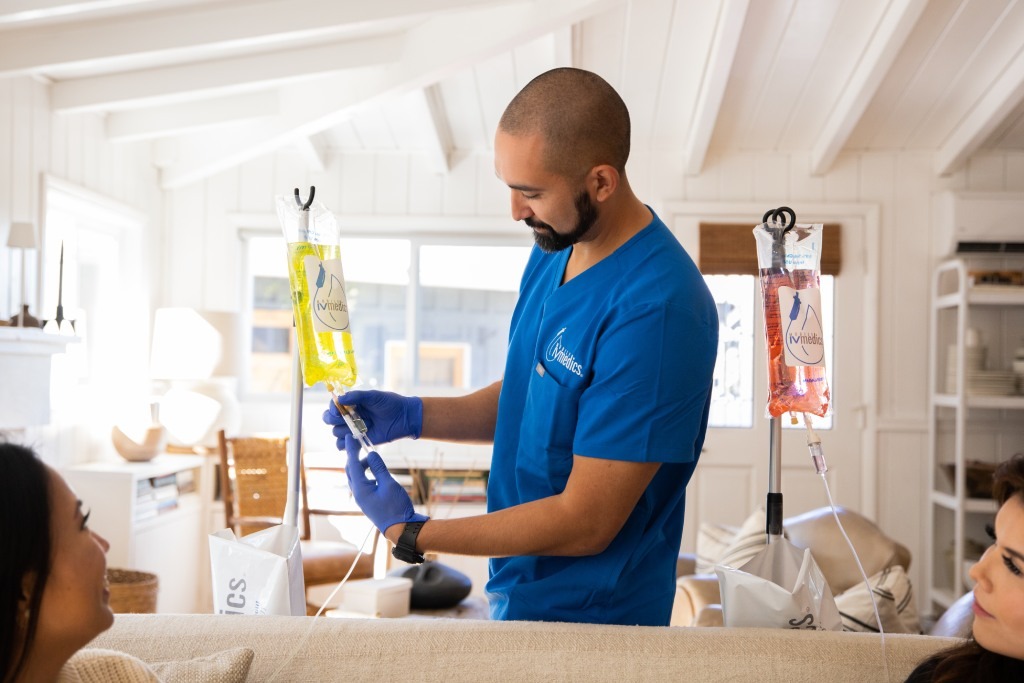
When oral intake can’t keep up, whether from nausea, severe dehydration, or the sheer volume lost, faster rehydration options exist, including sunburn relief IV therapy from Mobile IV Medics, aimed at replacing fluids quickly rather than treating the burn itself. Anyone asking how to heal sunburn fast is usually really asking about both tracks at once: calming the skin and refilling what the body lost.
When Does Sunburn Need Medical Attention?
A handful of signs separate ordinary sunburn discomfort from something that needs a professional look:
- Blistering that covers more than about 15% of the body, per CDC guidance.
- Severe or worsening pain, swelling, or redness.
- Fever, chills, nausea, dizziness, or a fast heartbeat after sun exposure.
- Signs of infection, including pus, spreading redness, or worsening tenderness.
- A racing heartbeat or confusion.
- Signs of dehydration such as very dark urine, urinating much less than usual, dry mouth, marked weakness, or dizziness when standing.
If those symptoms show up alongside the burn itself, especially the kind of severe cluster sometimes called sun poisoning, seeing a provider matters more than trying another home remedy first.
IV fluids do come up in medical guidance for sunburn, but specifically at the point of hospital admission for significant dehydration, not as routine at-home care. That’s the same tier of support behind sunburn relief IV therapy, positioned as faster rehydration alongside appropriate care, not instead of it, for cases where oral fluids genuinely aren’t keeping pace.
Conclusion
Most mild sunburns improve with cooling, hydration, and a few days of patience, no matter how a sunburn started or how it’s classified along the way. Extensive blistering, fever, worsening pain, or real dehydration signs are the cue to treat it as more than routine and get a provider involved rather than waiting it out.