

Key Takeaways
- Dehydration symptoms often start mild (thirst, headache, fatigue) and progress fast in California’s dry heat.
- Pre-hydrate the night before, sip water every 20–30 minutes, and replace electrolytes after heavy sweating.
- Persistent vomiting, confusion, or fainting means severe dehydration that needs medical care, not more water.
- Mobile IV therapy California options like Mobile IV Medics help after clinical assessment when oral hydration fails.
You’re 6 hours into a Disneyland day. The kids stopped asking for water around hour 4, which felt like a win at the time. Then one of them gets quiet, then dizzy, then nauseous in line for Space Mountain. By the time anyone notices, dehydration symptoms have been building all afternoon.
That sequence plays out daily at Southern California theme parks from late spring through October. Long hours walking, hot weather, sun exposure, and limited shade between attractions create exactly the conditions where fluid loss outpaces what visitors realize they’re drinking.
This article covers how to recognize dehydration symptoms early, what to do before symptoms get worse, and when the situation calls for medical evaluation rather than another water bottle. Mobile IV Medics serves families across Southern California with licensed in-home and hotel-based IV hydration for dehydration, but most theme park dehydration never needs to reach that point. The prevention plan is the whole game.
Why Southern California Theme Parks Can Lead to Dehydration
Visitors often underestimate how much fluid a theme park day actually costs them. The dry climate, walking volume, and sun exposure work together in ways that don’t feel as intense as the same conditions would in a humid environment.
California’s Warm Climate and Year-Round Sunshine
Southern California averages 280+ sunny days a year. Inland parks like Disneyland Resort and Knott’s Berry Farm sit in microclimates that routinely hit the high-80s to mid-90s°F from May through October, with low humidity that makes sweat evaporate before visitors register it. That evaporation feels comfortable, but the water loss is happening regardless. Knowing how to stay hydrated in hot weather starts with recognizing that comfort isn’t the same as adequate fluid intake.
Walking 15,000–25,000+ Steps in a Single Day
A full park day at Universal Studios Hollywood or LEGOLAND California covers 15,000–25,000 steps for most adults, more if the group is park-hopping. That’s 3–4 hours of continuous walking plus long queue waits standing in direct sun. Activity at that volume in heat drives fluid loss far beyond a normal day.
Heat, Sweating, and Electrolyte Loss
Heavy sweating doesn’t just deplete water. It strips sodium, potassium, and other electrolytes that the body needs to keep muscles and nerves working. Replacing water alone after several hours of park-day sweating leaves the electrolyte deficit unresolved, which is why drinking nothing but water sometimes still produces muscle cramps or lingering fatigue.
Who Is Most at Risk
Some visitors carry higher dehydration risk than others:
- Children dehydrate faster relative to body weight and often won’t report thirst until they’re well past mild dehydration.
- Older adults have a blunted thirst response that lets fluid loss accumulate quietly.
- Pregnant visitors need higher baseline fluid intake throughout the day.
- People with chronic conditions like diabetes, kidney issues, or blood pressure medication can lose tolerance for the same conditions their travel companions handle fine.
- Visitors from cooler or humid climates haven’t acclimated to California’s dry heat and lose fluid faster than locals expect them to.
Signs of Dehydration to Watch for at Theme Parks
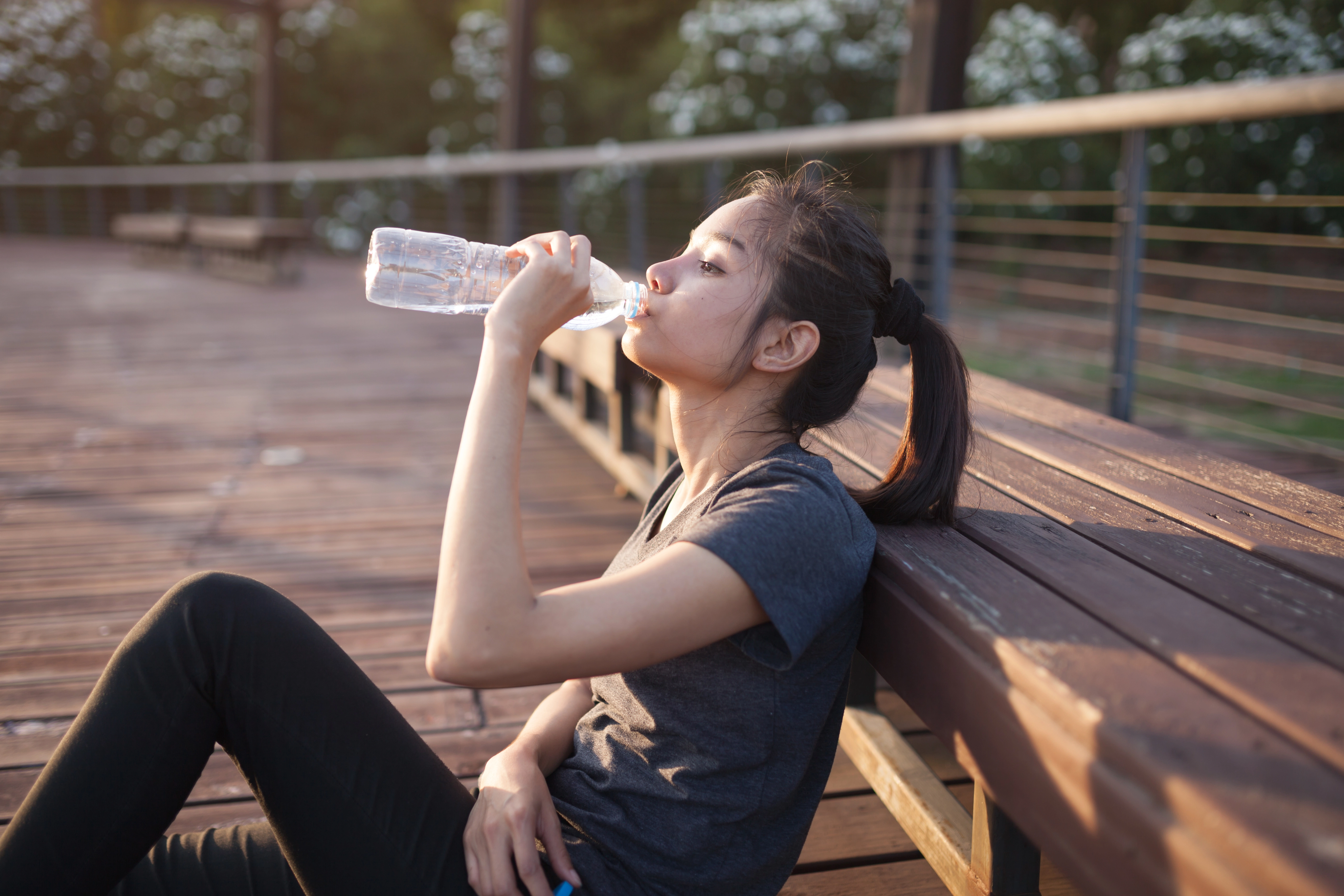
Dehydration symptoms usually develop gradually across the park day rather than hitting all at once. Catching the early signs makes the difference between resting in the shade for 20 minutes and an emergency room visit that ends the trip.
Common signs of dehydration include:
- Thirst, dry mouth, or dry lips
- Headache
- Fatigue or unusual tiredness
- Dizziness or lightheadedness
- Muscle cramps
- Dark yellow urine or reduced urination
- Nausea
- Rapid heartbeat
- Confusion or fainting (red flag, needs immediate care)
A useful frame for the day, by severity:
| Severity | Symptoms | What to do |
| Mild | Thirst, dry mouth | Drink water, rest in shade |
| Moderate | Headache, fatigue, dizziness | Move to AC or shade, rehydrate with water plus electrolytes, rest 20–30 minutes |
| Severe | Persistent vomiting, confusion, fainting | Stop self-care, get to park first aid or call for medical help |
| Thirst kicks in only after the body has lost about 1% of its total fluid volume, roughly 0.5–0.7 liters for an average adult. By that point, mild dehydration has started and physical performance has begun to drop, so treat thirst as catch-up, not maintenance. |
A dehydration headache is one of the most reliable mid-day warnings. It typically presents as a dull, all-over throb that worsens with movement and starts easing within 30–60 minutes of rehydration. If a headache doesn’t improve after that window of rest and fluids, something else is going on and the situation needs evaluation.
How to Prevent Dehydration During Your Visit
Prevention is straightforward and almost entirely about timing. When you drink, how much, and what’s in the drink matter more than any special equipment.
Before You Arrive
- Start the day hydrated. Aim for pale-straw urine on the morning of your visit, which means you can’t pre-load efficiently in 30 minutes at breakfast. The prep starts the night before.
- Eat a balanced meal that includes some salt and carbohydrates. Both help the body hold onto fluids during a long day.
- Pack a refillable water bottle. All 4 major SoCal parks allow outside bottles and have free refill stations throughout.
While You’re in the Park
- Sip water every 20–30 minutes of walking rather than waiting for thirst. Small frequent sips absorb better than large infrequent gulps.
- Replace electrolytes after heavy sweating with low-sugar electrolyte drinks for dehydration, tablets, or salty snacks like pretzels.
- Skip the high-sugar slushies and frozen drinks the parks sell. They slow gastric emptying and delay rehydration.
- Wear lightweight, breathable, light-colored clothing and a hat.
- Take breaks in shaded outdoor areas or AC-cooled indoor attractions every couple of hours.
- Limit alcohol and excessive caffeine, both of which increase fluid loss when you’re already running close to the line.
Tips for Families Visiting With Children
Children need scheduled hydration rather than on-demand:
- Set a 15–20 minute timer and offer water at each interval, regardless of whether they ask.
- Watch for behavioral signals: a normally active kid going lethargic, an even-tempered kid having an outsized meltdown, or a noticeable drop in restroom trips.
- For toddlers and infants, fewer wet diapers across the day is the cleanest indicator.
- Pack salty snacks for kids the same way you would for yourself. Their electrolyte loss matches the heat exposure regardless of body size.
How Heat Exhaustion Differs From Dehydration
Heat exhaustion and dehydration share enough symptoms that visitors often confuse them, but they’re not the same condition and the response differs at the severe end.
| Aspect | Dehydration | Heat Exhaustion |
| What it is | Fluid and electrolyte deficit | Heat regulation failure |
| Skin | Often dry, reduced sweating | Clammy, pale, profuse sweating |
| Body temperature | Usually normal or mildly raised | Climbing toward 101–104°F |
| Pulse | Normal to slightly elevated | Faster, often weaker |
| Shared symptoms | Headache, fatigue, nausea, dizziness | Headache, fatigue, nausea, dizziness |
| First response | Shade, water, electrolytes | Cool the body, fluids, monitor for progression |
Dehydration can progress into heat exhaustion when fluid loss continues in heat without recovery. The signs that the situation has escalated and needs emergency care are body temperature above 104°F, confusion or altered mental state, fainting, persistent vomiting, or skin that’s stopped sweating in heat. Any of those mean stop self-treating and get medical evaluation.
| If someone shows confusion or stops sweating in heat, treat it as heat stroke, not heat exhaustion. Cool them immediately with ice packs at the neck, armpits, and groin while calling 911. Brain damage risk rises within 10 minutes of onset. |
When Water May Not Be Enough
Oral hydration works for most park-day dehydration. There are specific situations where it stops being sufficient and the visitor needs medical assessment instead of another bottle of water:
- Persistent vomiting. Fluid coming back up faster than it’s absorbed accelerates the deficit regardless of how hard the person tries to drink.
- Severe diarrhea. Creates the same problem from the other direction, often paired with significant electrolyte loss.
- Moderate to severe dehydration that doesn’t improve after 30–60 minutes of rest, water, and electrolytes.
- Heat exhaustion that has progressed past the early signs and may need IV fluids to restore blood volume quickly.
- Inability to keep fluids down at all. At this point, waiting it out is the wrong choice.
Not everyone with dehydration needs IV therapy. Most cases resolve with rest, shade, water, and electrolytes within an hour. The cases above are the exceptions where proper dehydration treatments in a clinical setting matter.
When to Seek Medical Care
The decision ladder for park dehydration runs in 4 steps:
- Continue self-care when symptoms are mild (thirst, light headache, normal mental state, able to drink and keep fluids down). Move to shade or AC, hydrate steadily for 20–30 minutes, and reassess. Most visitors recover here.
- Visit urgent care when symptoms are moderate and not improving (persistent dizziness, headache that won’t ease, fatigue that won’t lift, mild confusion that resolves slowly with rest). Urgent care can run basic labs and provide IV fluids on-site if needed.
- Go to the emergency department for severe symptoms like body temperature above 103°F that won’t come down, fainting, persistent confusion, chest pain, seizure, or any inability to keep fluids down combined with a worsening condition. These are emergencies regardless of where in the park the symptoms hit.
- Consider mobile IV hydration when a licensed nurse can assess on-site and clinical evaluation supports IV treatment, typically for moderate dehydration in stable visitors who can’t easily get to urgent care without losing the rest of their trip.
Mobile IV Hydration for Visitors in Southern California
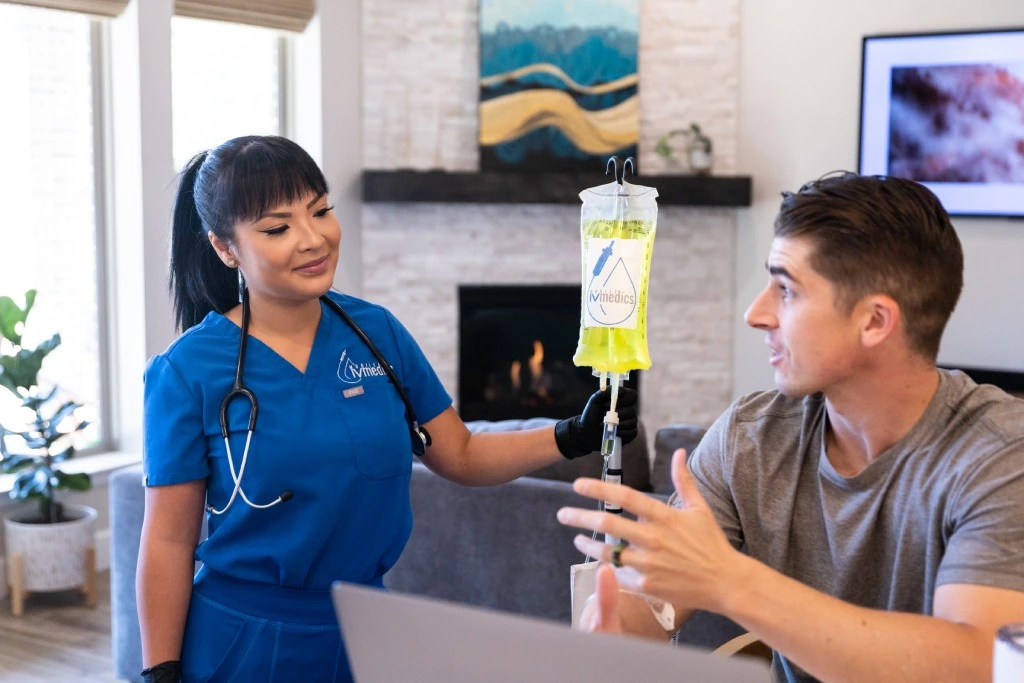
Mobile IV Medics provides licensed IV hydration therapy at hotels, vacation rentals, and homes throughout Southern California. The model fits travel scenarios where the visitor is dehydrated enough to benefit from IV rehydration but stable enough to be treated outside a hospital, which is a common situation after a long, hot park day.
Treatment begins with a clinical assessment by the attending registered nurse. Not every dehydrated visitor needs IV therapy, and the nurse determines whether an IV drip for dehydration is appropriate or whether the situation calls for urgent care or emergency department evaluation instead. When IV therapy is appropriate, the session typically takes 30–60 minutes and restores fluid volume plus electrolytes in a way oral intake can’t match in the same window. Same-day availability for mobile IV therapy in California depends on service area and demand, and visitors can call to check coverage for their specific hotel or rental address.
Conclusion
Most cases of dehydration at Southern California theme parks are preventable with a basic plan that includes pre-hydrating the night before, drinking steadily across the day, replacing electrolytes after heavy sweating, and taking breaks in shade or AC. Recognizing dehydration symptoms early, like thirst, headache, and unusual fatigue, keeps mild cases from progressing into heat exhaustion or severe dehydration that ends the trip.
If symptoms turn moderate or severe, such as persistent vomiting, fainting, confusion, or an inability to keep fluids down, seek medical evaluation rather than pushing through. Mobile IV Medics provides licensed mobile IV hydration in Orange County and across Southern California for visitors who may benefit after a clinical assessment, with same-day availability in many service areas.
Frequently Asked Questions
Can You Get Dehydrated at Disneyland?
Yes. Park first aid stations across SoCal handle dehydration cases daily from May through October. Walking distance, heat, sun, and queue exposure stack up fast, and even visitors who think they’re drinking enough water often aren’t keeping pace with fluid loss.
How Much Water Should You Drink at a Theme Park?
A general baseline is 16–20 ounces per hour of active walking in 80°F+ weather. Children need adjusted amounts based on body weight, and anyone sweating heavily needs electrolyte replacement alongside the water. Adjust upward in hotter conditions.
What Are the First Signs of Dehydration?
Thirst, dry mouth or lips, slight headache, mild fatigue, and darker urine than normal. By the time thirst registers, you’re already mildly behind on fluids, so treat thirst as a catch-up signal rather than a starting point.
Is Dehydration the Same as Heat Exhaustion?
No. Dehydration is a fluid and electrolyte deficit. Heat exhaustion is a heat regulation failure that often includes dehydration as a driver. They share many symptoms but differ at the severe end, since heat exhaustion involves rising body temperature while dehydration can present with dry skin and reduced sweating.
When Should You Seek Medical Help for Dehydration?
When symptoms are moderate and aren’t improving with 30 minutes of rest, shade, and fluids. Any time persistent vomiting, fainting, confusion, or rapid heartbeat that won’t settle appears, escalate immediately. Severe cases need emergency care, not more time at the park.
Is IV Hydration Better Than Drinking Water?
For mild dehydration, drinking water with electrolytes is the right first step and IV isn’t necessary. IV hydration matters when oral intake has failed, such as vomiting, severe dehydration confirmed by a clinician, or situations where rapid fluid restoration is medically appropriate.
Can Children Become Dehydrated More Quickly at Amusement Parks?
Yes. Children lose fluid faster relative to body weight and often don’t report thirst reliably. Schedule water every 15–20 minutes, watch for behavior shifts, and track restroom trips or wet diapers as backup indicators.


