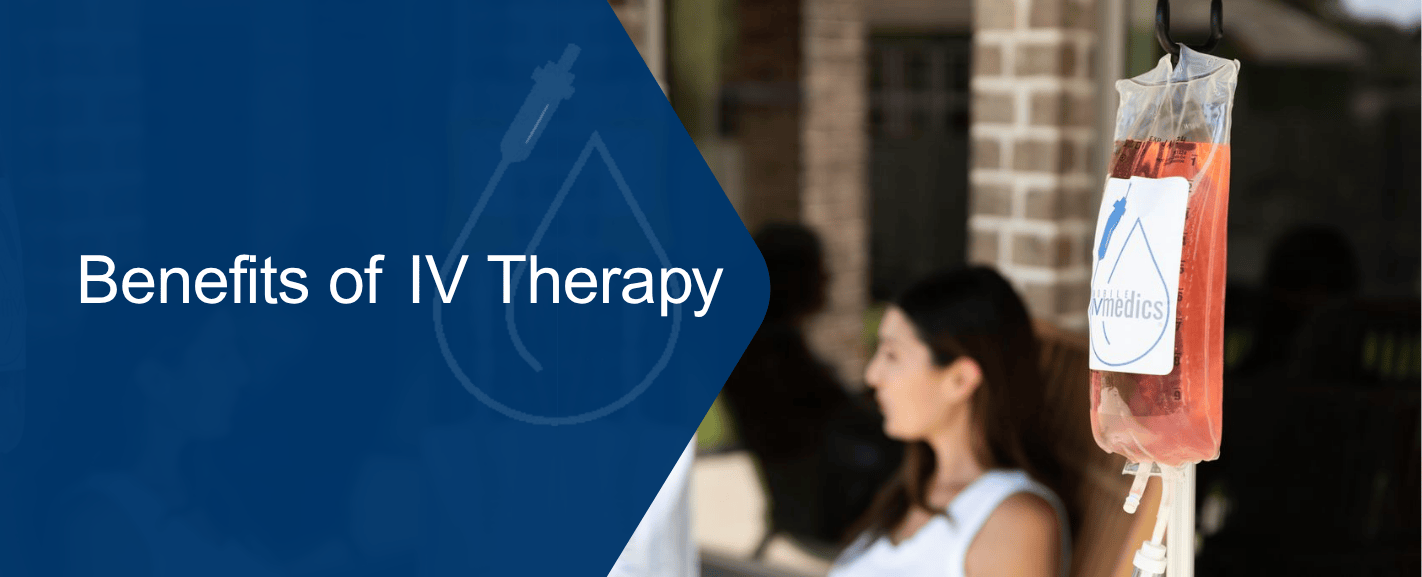
Most people know the feeling. You wake up dehydrated, drained, or stuck in a recovery hole after illness, travel, or a long weekend, and drinking water just isn’t cutting it. The benefits of IV therapy exist precisely for moments like this, when the body needs more than the digestive system can deliver fast enough.
Key Takeaways
- IV therapy delIVers fluids, electrolytes, and nutrients directly into the bloodstream, bypassing digestion for near-instant absorption.
- Core IV drip benefits include rapid rehydration, energy support, immune function, and athletic recovery.
- IV therapy effectIVeness is highest for acute dehydration, nutrient deficiencies, and post-illness recovery.
IV therapy is one of the most direct recovery tools available, and understanding why it works starts with understanding how it works. This article breaks down what IV therapy actually does inside your body, which IV treatment benefits have real clinical support, and how to assess whether it’s the right option for you.
1. What Happens When You Get an IV Drip
Compared to every other way of getting nutrients into your body, IV delIVery operates on a completely different timeline. The reason comes down to one thing your digestIVe system never gets the chance to do, which is slow things down.
When you swallow a vitamin, it travels through your stomach and intestines before reaching the bloodstream. Stomach acid, digestive enzymes, and gut absorption limits all reduce how much makes it through. IV delIVery bypasses all of that. Fluids, electrolytes, and nutrients go directly into a vein and enter the bloodstream immediately, which is why bioavailability for most IV ingredients approaches 100%.
The reasons for IV therapy span a wider spectrum than most people expect, and understanding that range helps set the right expectations. In hospitals, IV therapy manages acute and serious conditions including severe dehydration, sepsis, surgery, electrolyte disturbances, and delIVery of antibiotics or chemotherapy.
In wellness settings including mobile IV clinics, the reasons for IV therapy are more elective, covering hangover recovery, athletic performance, immune support, fatigue, jet lag, and general rehydration. Both are legitimate, but their evidence bases differ. Reputable providers in either setting employ licensed clinicians, source ingredients from licensed pharmacies, and use sterile single-use supplies, which is a baseline worth confirming before any session.
2. What IV Therapy Actually Does for Your Body
Speed and absorption explain the mechanism, but what people actually want to know is what changes once the drip starts. The IV therapy benefits that matter most in practice consistently fall into 4 outcome-drIVen categories, each tied to a specific physiological mechanism.
Rapid Rehydration and Electrolyte Restoration
IV fluids can restore blood volume within 15–30 minutes. That is a speed oral hydration, even aggressIVe oral hydration, cannot match. When fluid losses come from vomiting, diarrhea, heavy sweating, fever, or alcohol, the body often loses fluid faster than it can absorb water through the gut. IV hydration bypasses that bottleneck entirely.
The IV fluids benefits here go beyond volume replacement. Electrolytes including sodium, potassium, magnesium, and chloride are delivered alongside the fluid and immediately support nerve signaling, muscle contraction, blood pressure regulation, and heart rhythm. When these drop, the symptoms are unmistakable:
- Muscle cramping and weakness
- Dizziness and lightheadedness
- Rapid heart rate
- Persistent headaches
Restoring them intravenously addresses those symptoms at the source, faster than any oral supplement.For people dealing with post-vomiting dehydration, food poisoning, gastroenteritis, or severe morning sickness, IV fluids uses extend to bypassing an irritated gut entirely, letting the body receive what it needs while the digestIVe tract recovers. In athletic and heat-exposure contexts, this same mechanism supports faster cooldown, better muscle blood flow, and quicker clearance of metabolic waste that drives soreness.

Energy, Focus, and Fatigue Relief
Fatigue is one of the most common reasons people seek IV therapy, and for a meaningful portion of them the issue is not lifestyle. It is a gap in nutrients the body was never adequately absorbing in the first place, which is part of what makes the IV nutrition benefits in this category so tangible for people with documented deficiencies.
B vitamins, particularly B1, B2, B3, B5, and B6, are coenzymes in the metabolic pathways that convert carbohydrates and fats into ATP, the body’s primary energy currency. Delivered intravenously, they reach cells immediately without competing with gut absorption limits. Magnesium supports over 300 enzymatic reactions including ATP production and neuromuscular function. Low magnesium commonly shows up as tension headaches, muscle tightness, and persistent fatigue, all of which can ease when levels are restored through IV.
The deficiency data puts this in sharper context. About 41.6% of U.S. adults are deficient in vitamin D, a nutrient closely tied to fatigue and musculoskeletal pain. Vitamin B12 deficiency tells a similar story, as up to 80–89% of vegetarians and vegans may be deficient, with direct consequences for energy levels and cognitIVe function. IV or IM B12 is the standard correction when oral absorption is inadequate.
Some IV formulations also include amino acids such as taurine, which support neurotransmitter balance and membrane stability. In people with documented B12 deficiency or malabsorption, IV B12 can produce significant and lasting improvement in fatigue, cognitive function, and neurologic symptoms once levels are corrected.
One important caveat is that for people managing jet lag, chronic stress, or high cognitive demand, IV energy drips frequently produce a real boost in alertness and reduced brain fog, but this effect typically lasts hours to a few days. IV therapy is a genuine reset. It is not a permanent fix for underlying fatigue.
Immune Support and Recovery Acceleration
Oral vitamin C hits a hard ceiling. Gut transporters and diarrhea limits cap how much the body can absorb regardless of dose. Intravenously, plasma levels can reach 50–100× higher than what is achievable orally, and at those concentrations vitamin C’s immune-modulating effects operate at a meaningfully different scale.
At high doses, vitamin C supports white blood cell function including the ability to track down, neutralize, and clear pathogens and the free radicals that build up during infection and inflammation. Other nutrients commonly delIVered alongside it reinforce that response through different pathways:
- Zinc contributes to T-cell actIVity and viral replication control, without the gastrointestinal side effects that limit high-dose oral zinc
- Glutathione supports lIVer detoxification and cellular recovery from elevated inflammatory states
These benefits of IV drip therapy for immune support are most relevant for post-travel recovery, illness recovery, and periods of high immune demand. One distinction worth making clear is that IV nutrients support the body’s existing immune processes, especially when deficiency, illness, or depletion is present. Claims that IV therapy prevents infection outright or replaces vaccines and standard medical care are not supported by evidence.
Athletic Performance and Post-Workout Recovery
Sweat losses during intense training can exceed what in-session rehydration replaces. The downstream effects including reduced blood volume, impaired thermoregulation, muscle cramps, and slower nutrient delIVery affect both performance and how quickly the body bounces back. IV fluid delIVery addresses all of them within minutes.
Beyond fluids, the recovery case for IV therapy is built on what heavy exertion actually depletes. A well-formulated recovery drip targets those losses directly:
- Magnesium and amino acid delIVery for muscle relaxation and reduced cramping
- B vitamin replenishment to support cellular energy pathways
- Anti-inflammatory agents that, in some formulations, compress recovery timelines after marathons, tournaments, or heavy training blocks
The clinical data is still developing, but the physiologic rationale is strong, and both professional and recreational athletes report faster return to training.

3. How Effective Is IV Therapy, Really?
The honest answer is that it varies, not by brand or formulation, but by the specific situation of the person receiving it. Asking whether iv therapy is good for you only becomes answerable once you know what the body is actually dealing with.
Where the evidence is clearest: acute and moderate-to-severe dehydration, documented nutrient deficiencies, malabsorption conditions like inflammatory bowel disease or post-bariatric surgery, and post-illness recovery under medical supervision all represent scenarios where IV treatment benefits are well-supported. The body genuinely cannot get what it needs any other way in these cases, so the absorption advantage is not just convenient. It is necessary.
Institutions including Mayo Clinic and Cleveland Clinic have been direct about this. For people with adequate nutrition and no relevant medical conditions, IV vitamin therapy is unlikely to produce major health improvements. When the digestIVe system is working normally and nutritional needs are already met, the absorption advantage shrinks considerably. Some users report feeling better after wellness drips, but controlled trials show high placebo responses, and the gap between a well-designed study and a positIVe testimonial matters when evaluating what is IV therapy good for in any indIVidual case.
For mild tiredness from stress, screen time, and late nights, benefits are likely modest and short-lIVed. The same outcome is often achievable with targeted hydration, sleep, and oral supplementation at a fraction of the cost.
Whether IV therapy is worth it comes down to a single practical question about whether your situation actually calls for IV delIVery. Acute dehydration, actIVe illness, a confirmed deficiency, or significant physical exertion are all conditions where IV drip benefits are grounded and clinically meaningful. For general wellness maintenance in an otherwise healthy person, it pays to manage expectations and consider whether the underlying symptoms deserve a closer look first.
The benefits of IV therapy are real, but they are strongest when the body genuinely needs rapid fluid, nutrient, or electrolyte restoration that oral intake cannot keep up with. For dehydration, illness recovery, and documented deficiencies, the clinical case is solid. For general wellness, it is a useful tool best used with clear expectations. If you are weighing whether IV therapy is worth it for recovery, performance, or immune support, Mobile IV Medics brings licensed, medically supervised care directly to you with no clinic required.

Mobile IV Medics operates across the country, bringing licensed care to you wherever you are. If you are based on the West Coast, you can find out what is available through Mobile IV Medics in California. For those in the South and Southeast, IV therapy services in Texas and Florida are available across a wide range of locations, making it straightforward to book a session close to home without the hassle of traveling to a clinic.