Key takeaway
- Visit runs about 45–90 minutes total, mostly setup, vitals, and monitoring around a 30–60 minute infusion
- A soft catheter stays in during the drip, not the needle used to place it
- Licensed nurses can delay, adjust, or decline treatment based on your health screening
- Location is flexible with mobile IV therapy, though pricing and packages vary by need
A nurse is on her way to your living room for a mobile IV therapy session, needle and all, and nobody explained yet what actually happens once she arrives.
Instead of sending you to a hospital or clinic, mobile IV therapy brings IV hydration, vitamins, or medication straight to wherever you are. Mobile IV Medics handles the whole visit end to end, from the first phone call to the moment the nurse packs up. Here’s exactly how that plays out, starting with how the appointment gets on the calendar.
How Do You Book a Mobile IV Appointment?
Booking starts online or by phone. Fill out the form at Mobile IV Medics’ booking page, or call or text 833-483-7477, whichever is faster. Same-day service is standard, and a nurse can often be there within the hour. That same form doubles as your medical intake, covering symptoms, health history, medications, and allergies, so the clinical team already has what it needs before anyone gets dispatched.
You don’t need to know exactly what you want first. Browse options like the hangover IV therapy package, jet lag, colds, or general rehydration, or just describe how you feel and let the team recommend one. Nothing quite fitting? A quick call gets you something customized.
Location is your call too, anywhere inside Mobile IV Medics’ service areas, including:
- Your home
- A friend’s place
- A hotel room
- Your office
- A party or outdoor event
IV therapy at home is the most common version of this, but the location is entirely yours to choose. That flexibility is the real difference between mobile IV therapy and an in-clinic visit: no hospital, urgent care, med spa, or IV bar required.
What Should You Do Before the Nurse Arrives?
Getting ready takes five minutes:
- Keep your phone within reach so you don’t miss a call or text once the nurse is on the way.
- Have your ID out, along with a list of current medications and any relevant health information.
- Wear something that gives easy access to your arm, short sleeves or a shirt that rolls up without a fight.
- Pick where you’ll sit or lie down, a couch, a bed, or a chair near an outlet for charging your phone during the drip.
- Follow any specific prep instructions the clinical team already sent you, over anything general here.

What Happens During a Mobile IV Therapy Appointment?
This is the part most first-timers actually want mapped out, minute by minute, because not knowing what’s coming next is what makes a first visit feel bigger than it actually is.
Your Nurse Arrives and Sets Up the Treatment Area
The nurse confirms your appointment and checks your identity first. Nothing else happens until that’s done. From there, the two of you pick a spot together, somewhere clean, well-lit, and comfortable enough to sit or lie still for an hour. The nurse lays out sterile supplies and equipment on that spot, unwrapped from sealed packaging right in front of you, then reviews the treatment package you chose at booking before touching anything. Most visits run approximately 45–90 minutes from check-in to completion, though that window shifts depending on the package and your own circumstances.
The Nurse Reviews Your Health Information and Vital Signs
Before the IV goes anywhere near your arm, the nurse walks back through what you submitted at booking, symptoms, history, medications, allergies, and checks it against how you’re feeling right now. The nurse checks blood pressure and pulse next. This is also the last real chance to flag something new, a headache that started an hour ago, a medication you forgot to list, anything that changes the picture.
The Nurse Cleans the Site and Places the IV Catheter
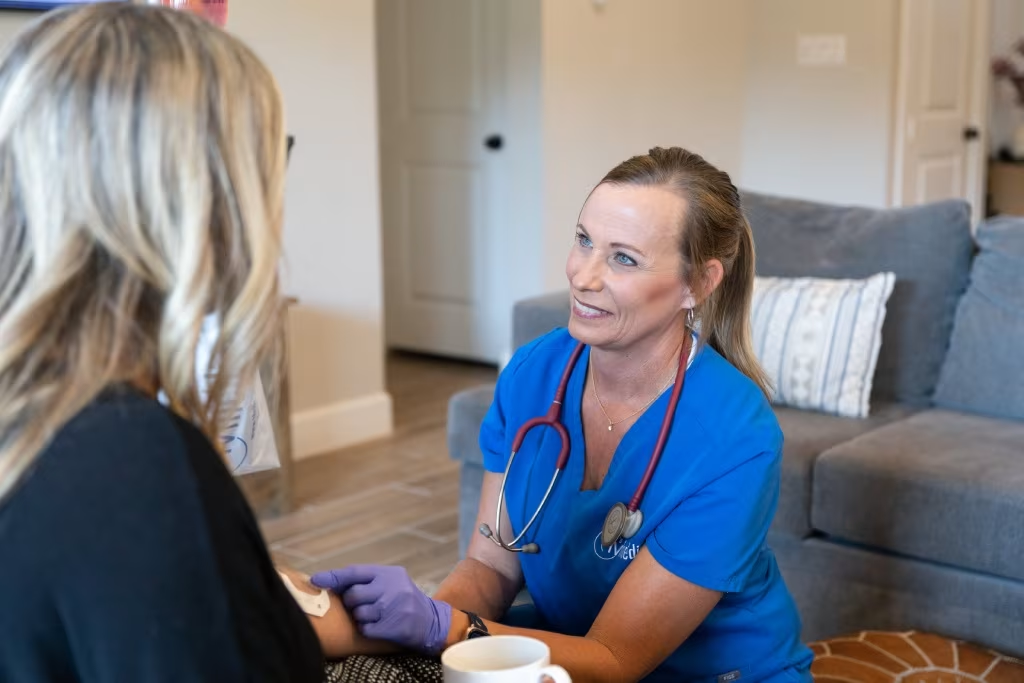
This is the step most people brace for, and overcoming a fear of needles is over faster than the anticipation. The nurse finds a vein, usually in the hand or the inside of the arm, and cleans the skin thoroughly before touching it. A thin needle guides a soft, flexible catheter into the vein, and once it’s in place, the needle itself comes back out. Only the soft catheter stays in your arm for the rest of the session, not a needle. Speak up immediately about IV therapy side effects like pain, burning, or swelling at the site, since that’s not normal and the nurse needs to know right away.
| Only the soft catheter stays in your arm during the drip, the needle is removed the moment it’s placed. That’s why pain, burning, or swelling afterward point to the catheter site, not a leftover needle, and it’s worth flagging to your nurse right away. |
The Infusion Runs While Your Nurse Monitors You
The drip itself typically takes 30–60 minutes, sitting inside that larger 45–90 minute visit window, though NAD+ IV therapy and other specialty infusions can run 2–4 hours instead. The nurse doesn’t drop off a bag and step out. They stay in the room the entire time, watching how you’re responding as the fluids go in. A mobile IV infusion like this runs the same IV therapy ingredients a clinic drip would, just without the drive, and the exact mix depends on the package picked at booking. That 30–60 minute window is the direct answer to how long IV therapy actually takes during your appointment, a separate question from how long the effects last afterward.
The Nurse Removes the IV and Checks the Site
Not every catheter comes out on the exact same trigger. Most come out once the infusion finishes, though the nurse can end things earlier if treatment needs to stop for any reason. Either way, the nurse checks the site for irritation or bruising right after removal, then applies a small bandage that typically stays on for 2–4 hours. The nurse also removes and disposes of the used clinical supplies before wrapping up.
You Receive Aftercare Instructions
The visit doesn’t end the moment the catheter comes out. Before the nurse leaves, you get a rundown of what to expect over the next few hours, how much water to drink, why it’s smart to skip heavy lifting with that arm for the rest of the day, and what normal soreness looks like versus something worth calling about. This is also the natural moment to ask about spacing out future visits if this becomes a repeat thing. Once supplies are packed and instructions are given, the appointment is complete.
Is Mobile IV Therapy Safe for First-Timers?
Safety questions are usually the last thing keeping someone from booking, so it’s worth answering them directly instead of glossing over them.
A Licensed Nurse Administers Your Treatment
Qualifications matter here more than most people realize going in. The person placing your IV is a licensed nurse, not a technician, the standard for choosing a safe mobile IV provider, and it’s the same nurse who ran your vitals check and placed the catheter, not a handoff to someone less qualified partway through. The nurse uses sterile supplies from start to finish, the catheter, the tubing, the site dressing afterward. And if anything in your health screening raises a flag, the nurse can delay the visit, choose a different package safely, or decline treatment altogether instead of pushing ahead anyway.
Your Medical History Determines Whether You Can Proceed
The intake form you filled out at booking exists for a real reason beyond paperwork. It’s how the clinical team catches reasons a specific package might not be right for you. Certain health conditions or medications call for a conversation with your own doctor about whether IV therapy is safe for you, and a nurse who flags one of these isn’t being overly cautious, they’re doing the job correctly. Mobile IV therapy also isn’t a substitute for emergency care. Any symptom that feels like a medical emergency needs a call to 911 or a trip to the ER, not a booking form.
| A nurse can delay, adjust, or decline treatment based on your screening, and mobile IV therapy is never a substitute for emergency care. If something feels like a true emergency, that’s a call to 911, not a booking form. |
How Much Does a Mobile IV Appointment Cost?
Package choice is what actually drives the number, not a flat one-size-fits-all rate:
- Basic IV hydration therapy: around $199
- Symptom-specific packages (hangover, immunity): $239–$449
- Premium infusions (NAD+ and similar): $600–$1,000+
- Add-ons: $20–$25 each
Mobile IV Medics doesn’t bill insurance directly, though some patients use HSA funds when a session qualifies as medically necessary. Convenience is the bigger trade-off, though. A mobile appointment means no drive, no waiting room, and no urgent care copay clock running while you sit in a chair. Whether the cost of a mobile IV therapy appointment feels worth it comes down to what IV therapy actually does for you, how much your time is worth, and what you actually need that day. If IV therapy becomes a regular thing rather than a one-off, how often you should get IV therapy is worth checking before assuming more is automatically better.
Now that you know exactly what a mobile IV therapy appointment involves end to end, the only unknown left is picking a time. Book your IV appointment online or text 833-483-7477, and the rest runs exactly the way it’s described above.